Fennel and Orange Salad

Ease into spring – bright flavors with late winter ingredients.  The idea for this salad came from a dinner of delicious tapas made for us by a friend of friends in Phoenix – thanks Charlene!

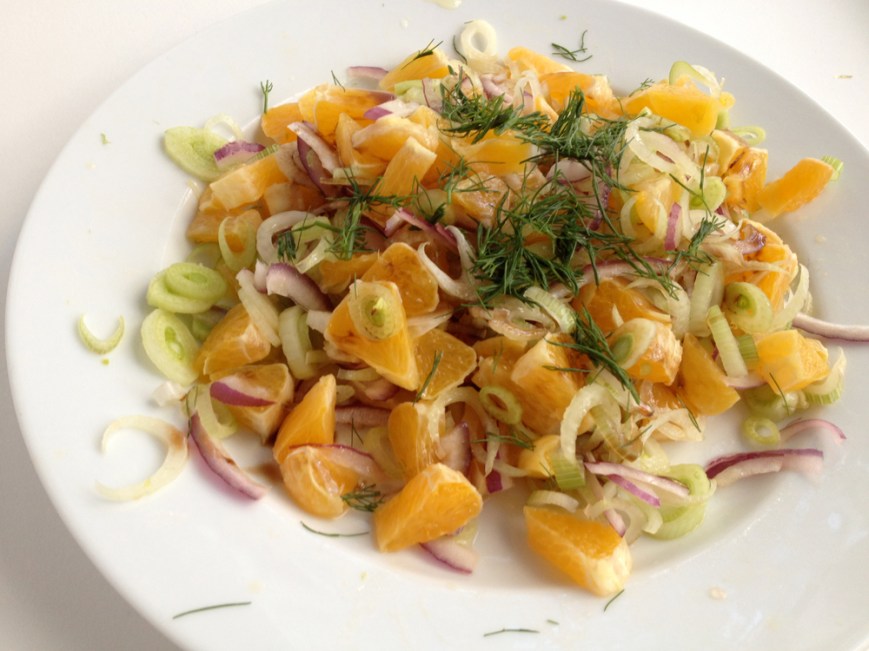
Fennel and Citrus Salad

Combine on a plate:

6 baby fennel bulbs or 2-3 large ones, thinly sliced

Small sections of mandarin, or chopped sections of orange, from about 2 oranges or 3 mandarins 

A little thinly sliced red onion

Pour over the top:

Juice of 1/2 orange or mandarin

A drizzle of extra virgin olive oil

A drizzle of balsamic vinegar (high quality balsamic is really good here)

Top with a few fennel fronds for garnish

That’s it!  Simple and oh so good.

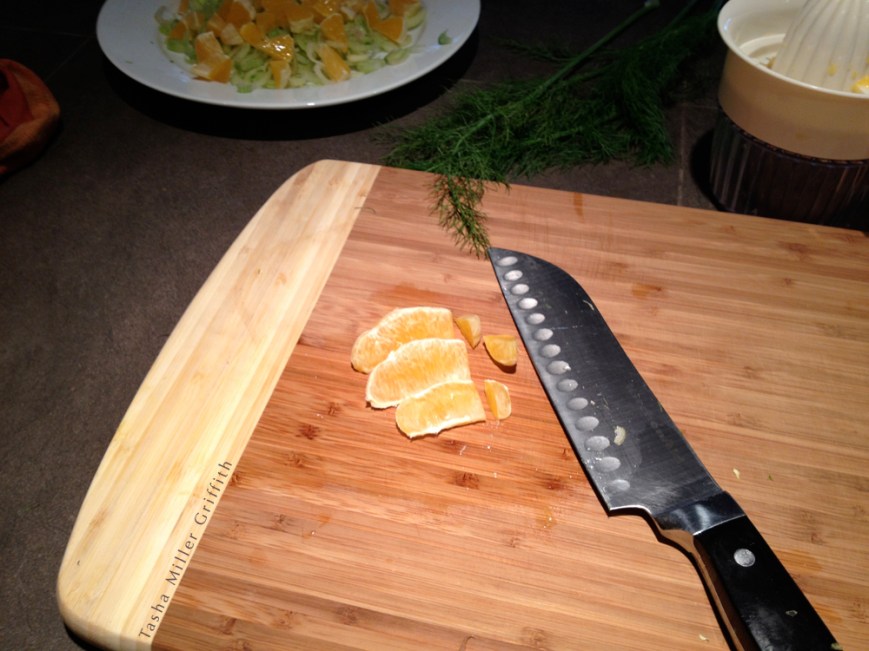
And a tip on chopping orange sections: I have been doing this a lot the past month or so, and my best method so far is to separate the sections first, then line up three or four and chop them into pieces.  You’ll see most of the seeds and you can pull them out.  I only pull the membranes off the sections if I need the dish to be really impressive for some reason.

PS: one of my cousins was asking me the other day about quinoa recipes, and I found this one on The Year in Food – such a lovely blog.  Apparently we’re not the only ones to figure out that fennel and citrus is a good combo for late winter/early spring!

Felt Flowers and Cookies (good combo)


Yesterday I held a wet-felt flower workshop.  Now that basically all the snow from our giant storm is melted, the weather is starting to truly feel like spring, perfect time to make some flowers!

I made these almond butter cookies for my students (/when some more people were around to help me eat them all).  They were amazing – almost like a macaron with just a little crispy shell of crust and a lovely soft interior.  And they happen to be flourless!  The only change I made to the recipe was to substitute 2 tsp of Amaretto for the vanilla (and decrease baking soda because I’m baking at 7000 feet).  This recipe was recommended to me by my friend Janice.  Not only does she make beautiful jewelry, she has great taste in food!

Don’t live near Flagstaff?  Want to make some flowers?  You may be in luck – I’m turning this workshop into a PDF tutorial!  If you would like to be a guinea pig and help me test it out, you’ll get the tutorial for free, and I may even send you some wool.  If you are interested, leave a comment or contact me.  No felting experience required!


How to Chop an Onion


I have been thinking a lot lately about how it seems like the people who can already cook, or sew, or whatever it is we want to be able to do (mine right now is drawing), it seems like they have been able to do it forever and it’s just easy for them.  Of course this is not true, they practiced right through the learning process, just like we will if we want a new skill.

As you know, I have been sharing some tips for beginning sewers (more to come!) and I’d like to do the same from time to time for those who are learning to cook.  It is awfully helpful if those on the “knowing” side of a particular skill share things with those on the “learning” side.

This is probably the most actual-chopping-time saving trick I know.

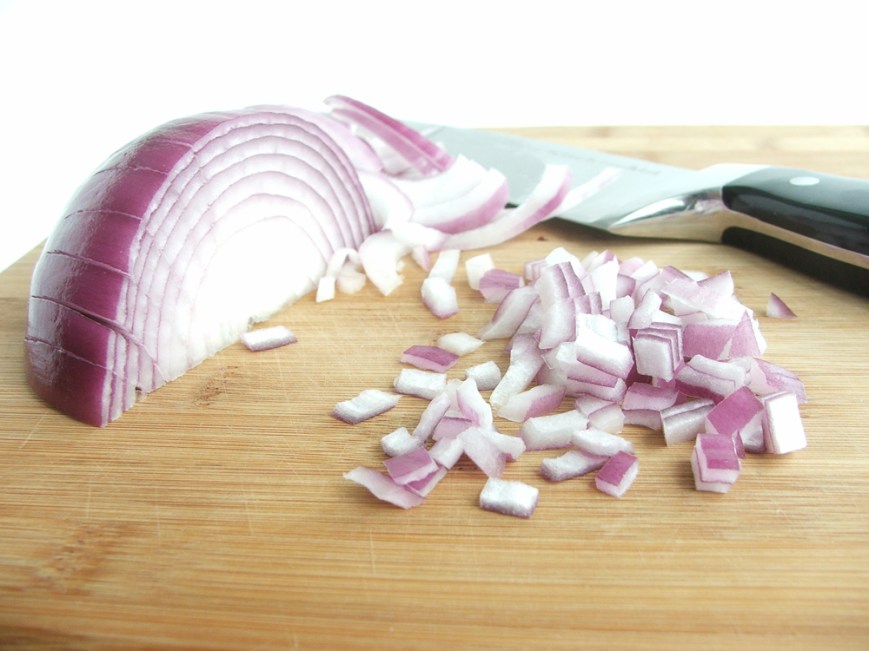
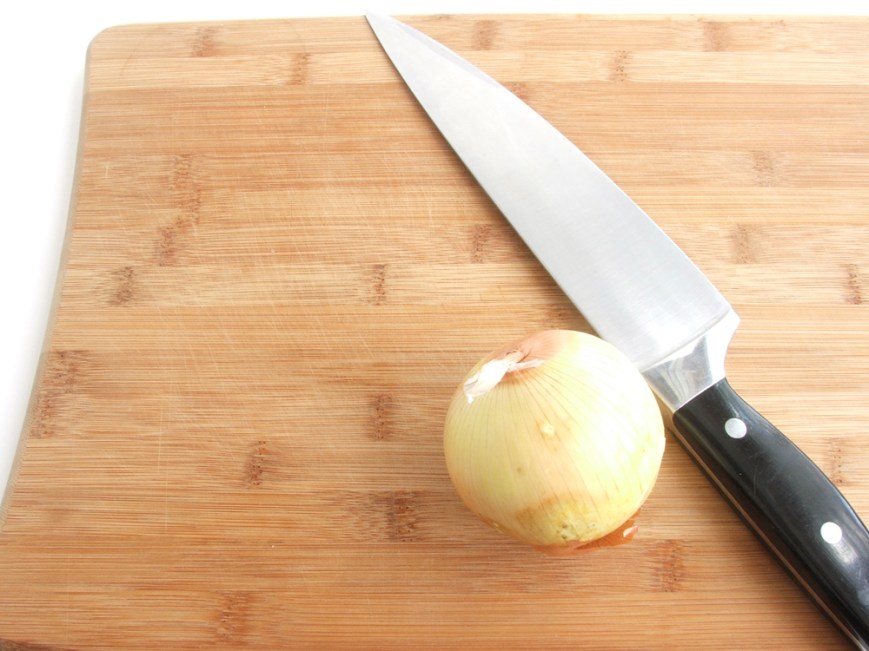
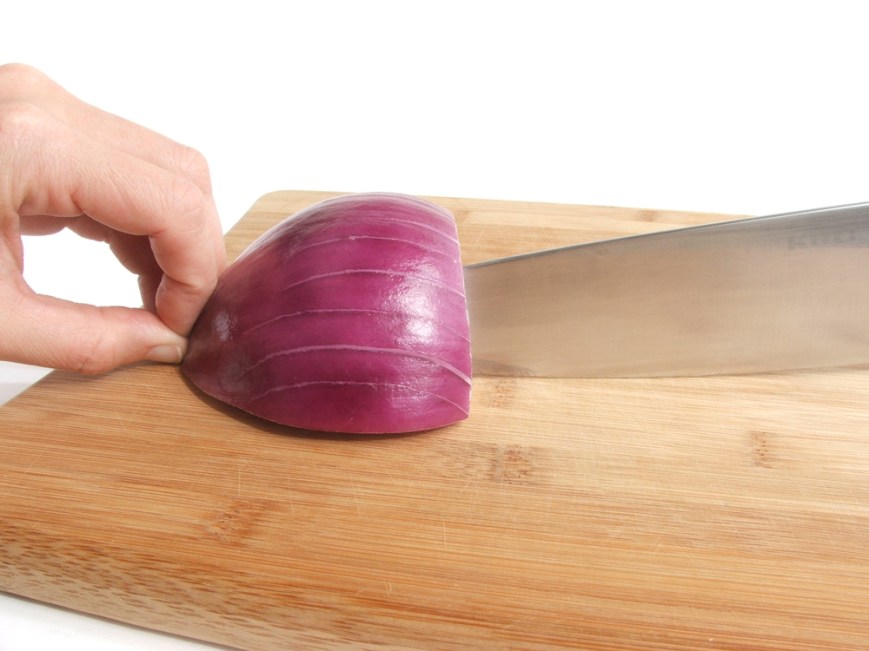
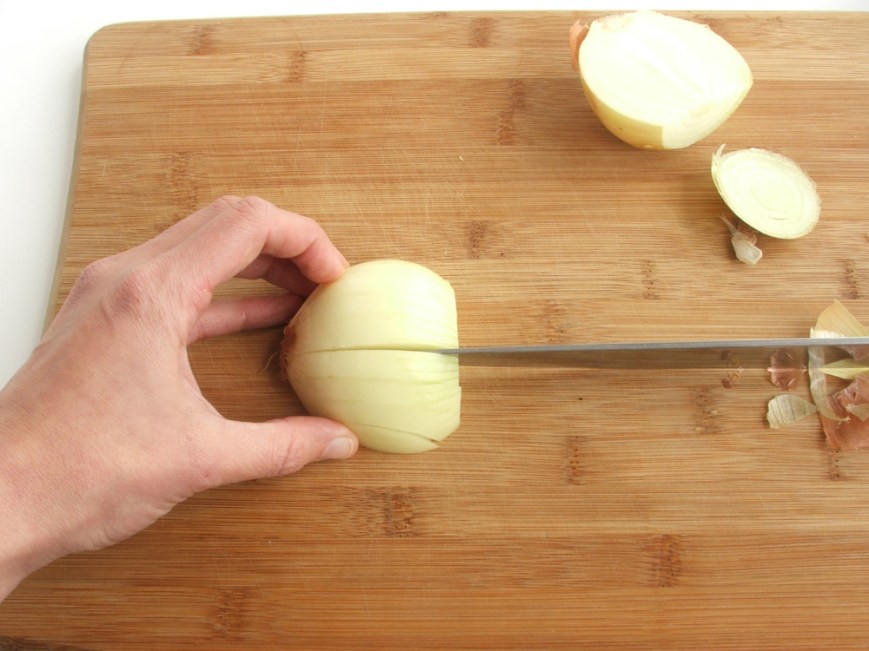
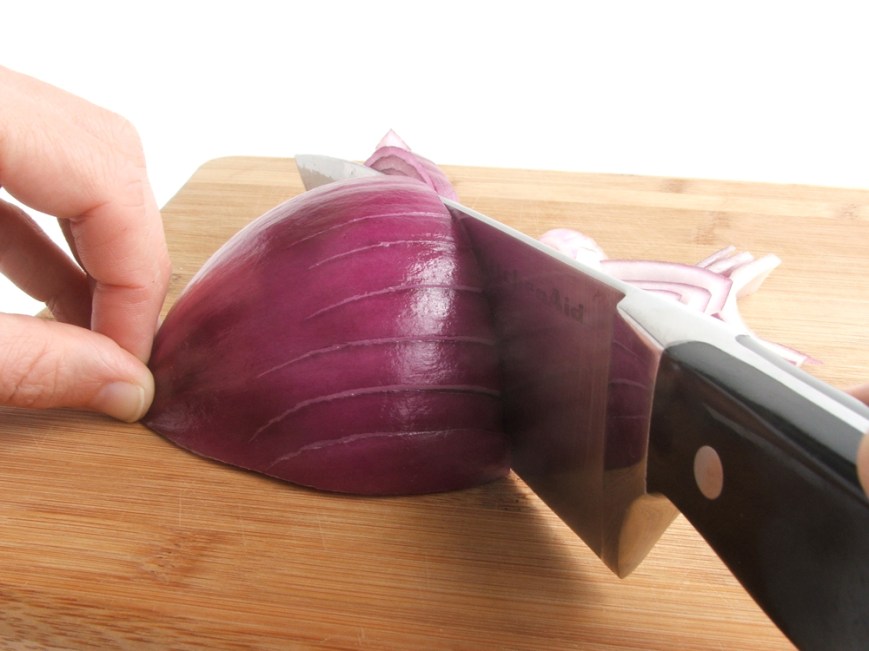
Cut your onion in half and chop off the tip.  Peel off the skin.  Now make long slices with the knife perpendicular to the rings (all the way back to the root if you are chopping the whole thing), but don’t chop them free of the onion, leave them attached at the root.  Make these slices as close together as you’d like your finished onion pieces to be wide.  They can be finer than the ones here, or larger.


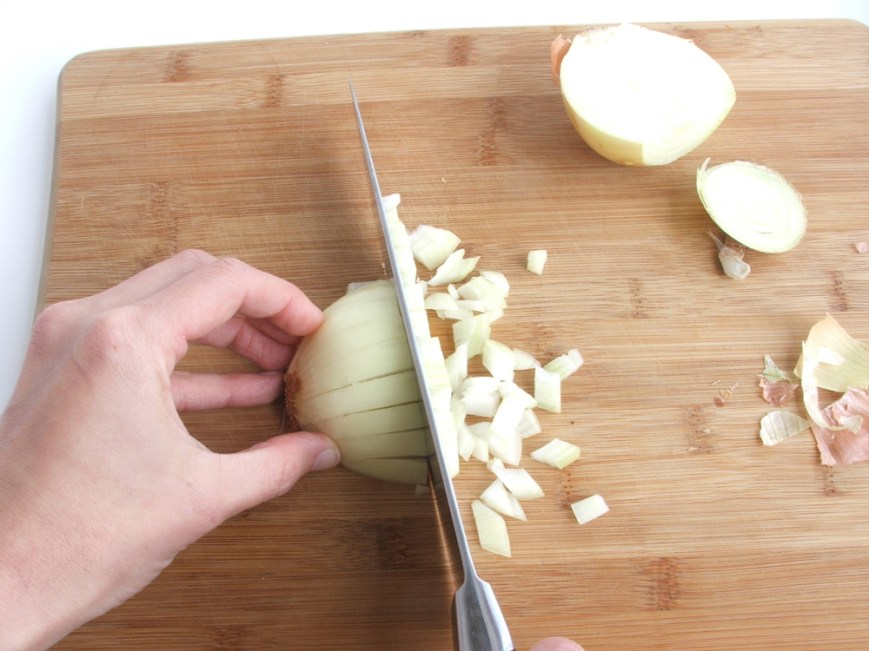
Now, chop through all your slices parallel to the rings, and diced onion will magically appear!  Or, large chunks, whatever you need.


What’s your favorite kitchen tip?  If you are learning to cook, what questions do you have?  Let me know!

Still a little time for: Winter Squash, Mexican Style

Spring is coming.  In fact, I am down in the valley this weekend where spring is already here!  Still somehow, I am not quite ready to let go of winter foods yet.  Although I would not touch a butternut squash in July, I think I could eat it happily almost every day for the months of winter!

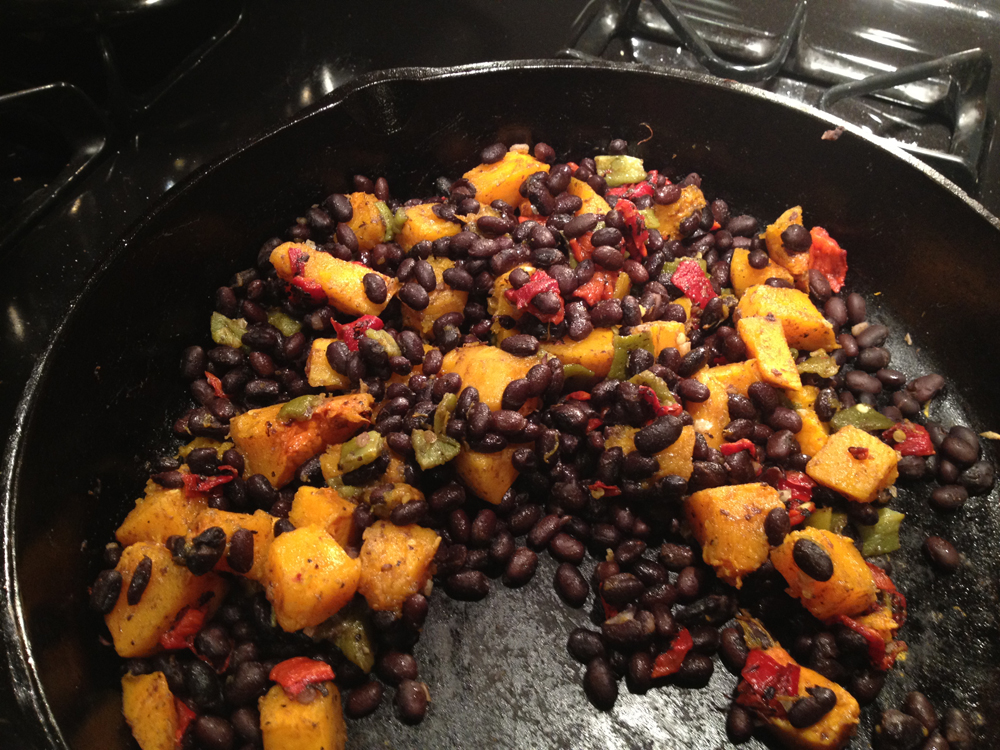
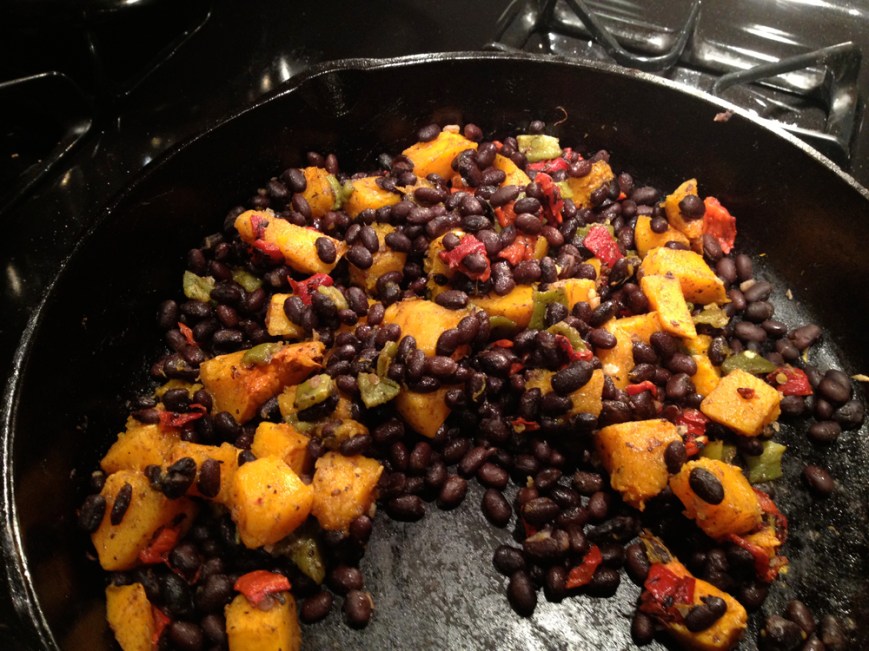
If you are getting tired of winter veggies but the asparagus is not yet streaming into your area, here is a another flavor combo for you.  I use this in all kinds of tacos and enchiladas.  The day of this photo we had it in tacos with fresh corn tortillas, a mild slightly tangy cheese, and orange chipotle salsa.

Winter Squash Filling for Tacos or Enchiladas

2 to 4 cups cooked winter squash  – butternut is my favorite.  Whichever you choose, cut in half (or into more pieces if very large) and scoop out the seeds.  Rub the cut surfaces with a little olive oil.  Place the pieces cut side down on a rimmed baking sheet and roast in a 375° oven until you can easily bury a the tines of a fork in it – this may take 30 minutes to an hour depending on the size and thickness of the squash pieces.  Let rest until cool enough to handle.  It is now ready to peel and slice quite easily!  For this recipe, cut the squash into fairly large chunks.

½ to 1 cup dried black beans, cooked.  I do mine in the pressure cooker – fast even at 7000 ft!

1 to 2 cloves garlic, minced.

2 to 3 thawed frozen roasted green chiles, chopped.  In the West (as you already know if you live here) around September/October time the most amazing smell fills the farmers’ market – roasting green chiles.  I could go on about this for quite some time, but will limit myself to saying that I stock up big time and live on the ones in my freezer for the rest of the year.  If you didn’t save enough, your grocery store may have fresh Anaheim or Poblano peppers which you can roast under the broiler, or speared on a fork above the flame of a gas range (or even with a crème brulee torch – in any case watch carefully and watch your fingers!)  Once the peppers are roasted, cut out the stem and pull out the seeds, then chop.

Put a little olive oil in a large heavy skillet over medium heat.  When it is hot add the garlic, let it sizzle for a minute or two, then add all the other ingredients.  They are mostly cooked already, they just need to warm up and get the flavors to blend, so stir until everything is hot, then turn off the heat and let sit together until you are ready to serve (or fill enchiladas).

I have included a fair amount of variation in the ingredient amounts, feel free to change them based on the amount you want to end up with and whether you like the emphasis more on the squash or the beans, etc.

If you eat this with corn tortillas, you will have all “three sisters” of ancient Southwest cuisine (corn, beans and squash).  Don’t you think chile should be the fourth sister?

Enjoy the last of your winter and those hearty comforting winter foods!