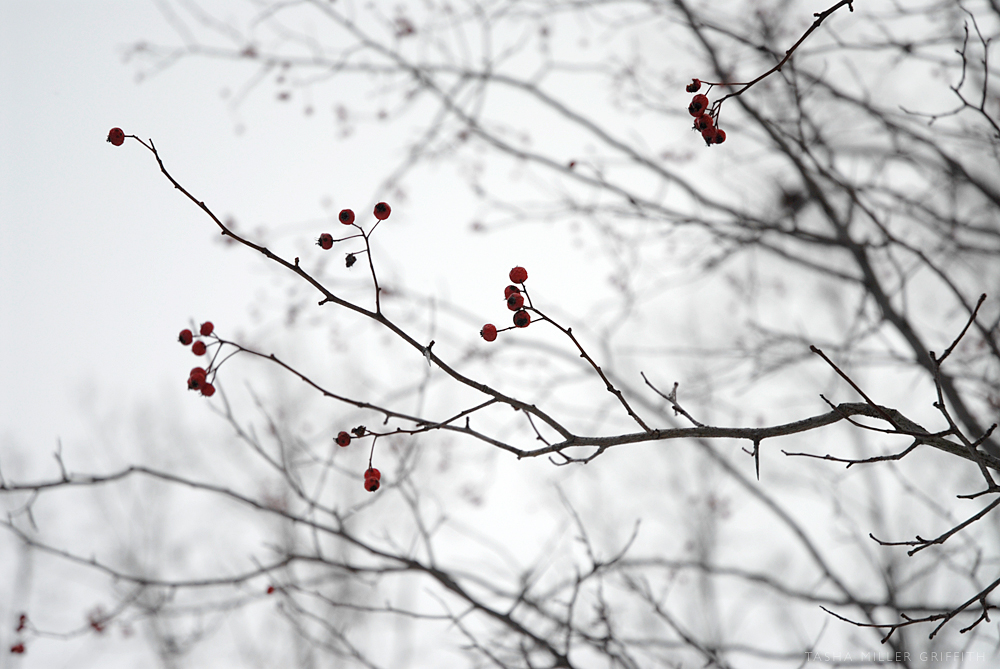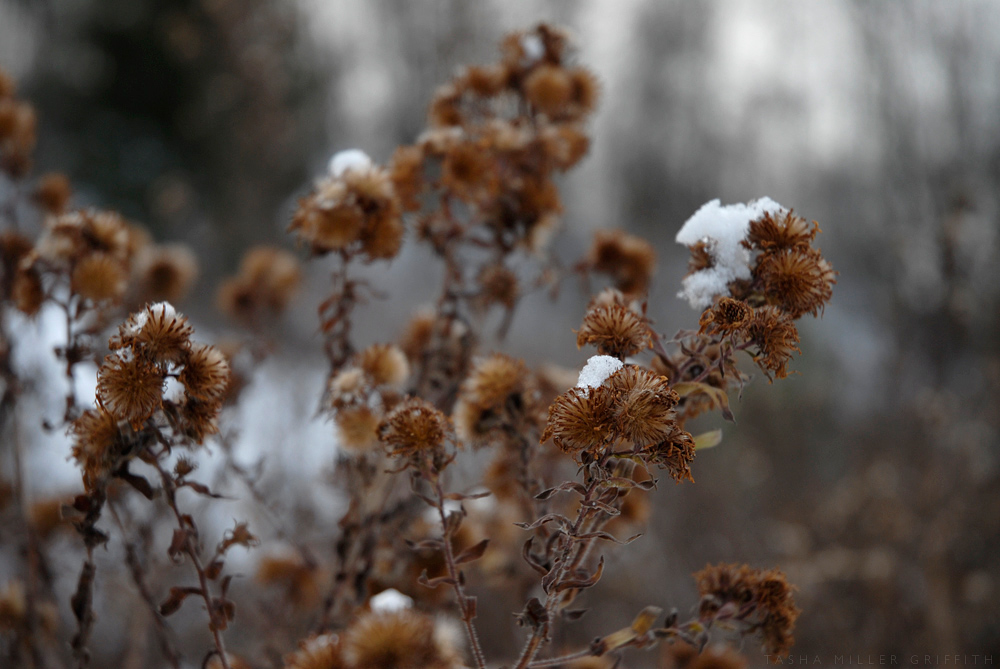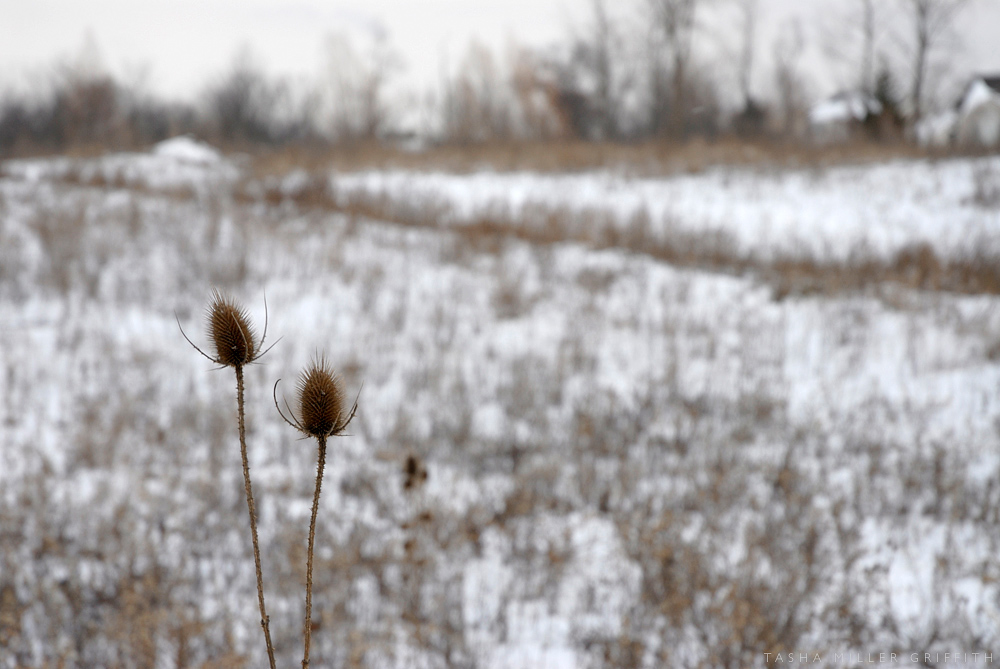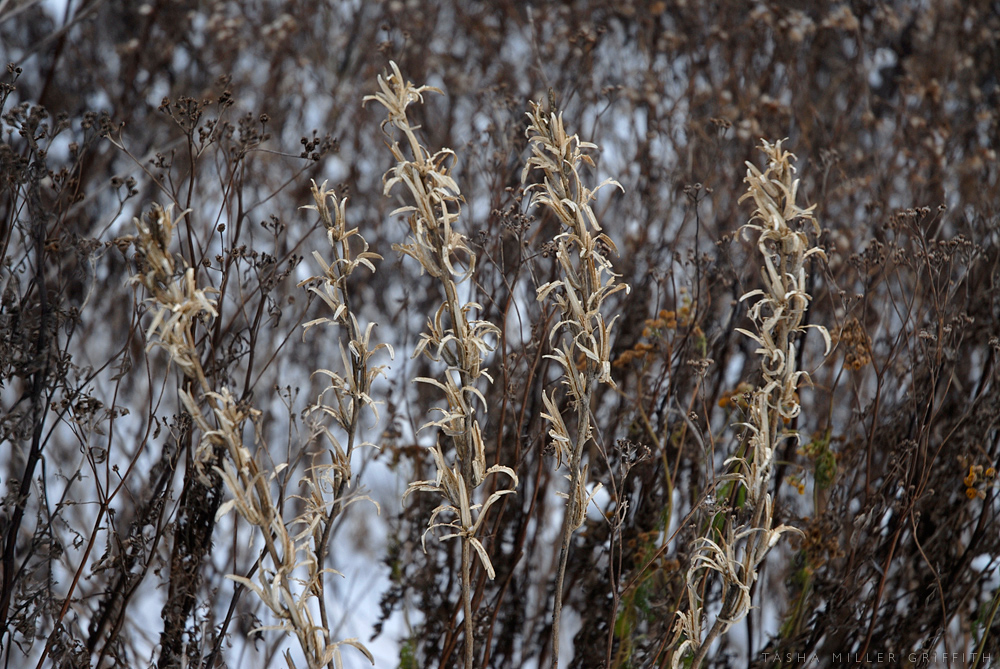
Michigan Winter in Pictures


michigan winter 5


Out here in Flagstaff, winter is (assuming it snows enough) bright days with the sun bouncing light from the snow everywhere, white too bright to look at and deep dark shadows.  Ponderosa pines collecting snow in huge clumps in their needles, and then when the sun comes out, dropping them with a window-shaking thud on the roof over my head, or on my actual head while I’m shoveling.  It’s getting your skiing in before the snow melts down, and watching the flakes float past my studio windows when it snows again, which is one of my very favorite things about this room.

In Michigan, from whence we just returned, winter is different.  And to me, totally beautiful.  The bare branches against a grey sky are a delicate tracery of subtle colors and shades, more muted but lovely scenes are in the dried branches, the white fields.  After spending the morning playing with my little nieces, I escaped outside with only my camera.  I got that “what are you finding out here to make the picture worth your freezing fingers?” look from at least one Midwesterner I ran across, but that’s the beauty of something unfamiliar, seeing the hibernating landscape with my fresh eyes, I saw worthwhile photos everywhere.

The landscape also meshed well with these thoughts from Kimberly at The Year In Food:

And I love darkness, in the sense that this is a season of long, dark nights, quiet, rest, hibernation. There’s merit to embracing it rather than fighting it and I try my best to do so each year. Perhaps easier said and done from the mild coast of California than in the thick of a midwest winter. But that season of rest is here, nonetheless: the fallow land, the bare trees, the grey skies, the long nights, the snowy mountains off to the east and north. Let’s embrace it, friends.

I often find myself this time of year longing for warmth, summer, light and long days of it.  But seeing a new winter landscape reminds me of the beauty that is here right now, a quiet one perhaps, but one worth enjoying just as it is.  Here’s to embracing your season, wherever you are!


michigan winter 1


michigan winter 2


michigan winter 3


michigan winter 4


Wishing You a Happy 2013

happy new year postcard


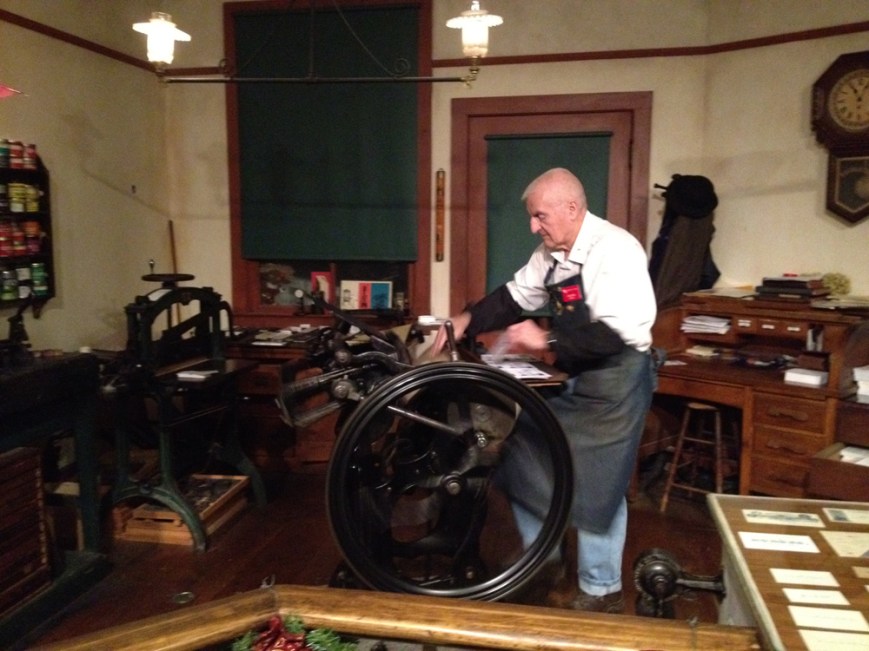
This postcard was printed on this mechanical press, at the Public Museum of Grand Rapids, MI.  I could have watched this press all day.  The volunteer printer flung the big wheel to get it started, then kept it going with the foot pedal while he moved the cards in and out.  All the parts moved fluidly, rolling the ink across a plate and printing a card in the time it took him to place a blank one.  It reminded me of two things I love; treadle sewing machines from a similar era (the late 1800s), and the below quote from Anaïs Nin which appeared, with more excerpts, on Brain Pickings:


You pit your faculties against concrete problems. The victories are concrete, definable, touchable. A page of perfect printing. You can touch the page you wrote. We exult in what we master and discover. Instead of using one’s energy in a void, against frustrations, in anger against publishers, I use it on the press, type, paper, a source of energy. Solving problems, technical, mechanical problems. Which can be solved.


grand rapids museum printing press


Here’s wishing you all a new year full of joy, handcraft, and solvable problems!


Almond Paste Stuffed Dates


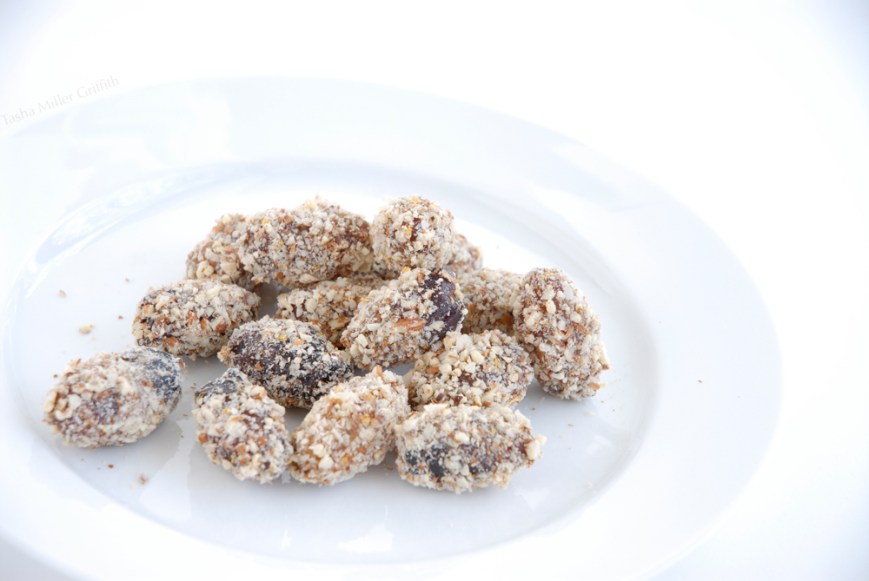
stuffed dates 1


Happy Midwinter everyone!  Light is sparkling off the snow here, and I’m quite excited that it’s coming back – after this we get just a bit more sun every day until the glories of summer  – no wonder so many cultures have celebrations around this time.

Whether you need some homemade gifts ASAP because the world did not in fact end today, or you had all that figured out long ago and just want a new winter treat to share with friends and family, I’ve got you covered.  These dates, soaked in brandy and orange juice, stuffed with almond paste and rolled in almonds, are fun to make and taste quite impressive!  They should be gluten-free as well, check the label on your almond paste to make sure.  We get Black Sphinx dates from Arizona Date Gardens – they’re wonderful.  Note: if you can find them sold in a plastic clam shell box, those are the freshest, gooiest dates you can imagine – and too soft for this recipe, they’ll just fall apart!  Use the regular, sold in a plastic bag or bulk bin kind here.


Almond Paste Stuffed Dates

adapted from two recipes in different editions of The Joy of Cooking


Pit, if not already done for you, 30 dates.  I like to use a “one clean hand” method, keeping a pairing knife in my dominant hand, and using the other hand for all the messy stuff; grabbing a date, holding it while I slice through it to the pit, pulling out the pit and tossing it in the compost, squeezing the date closed again and putting it in the bowl.  It sounds complicated but actually it’s pretty simple and efficient, especially if you have everything close by.

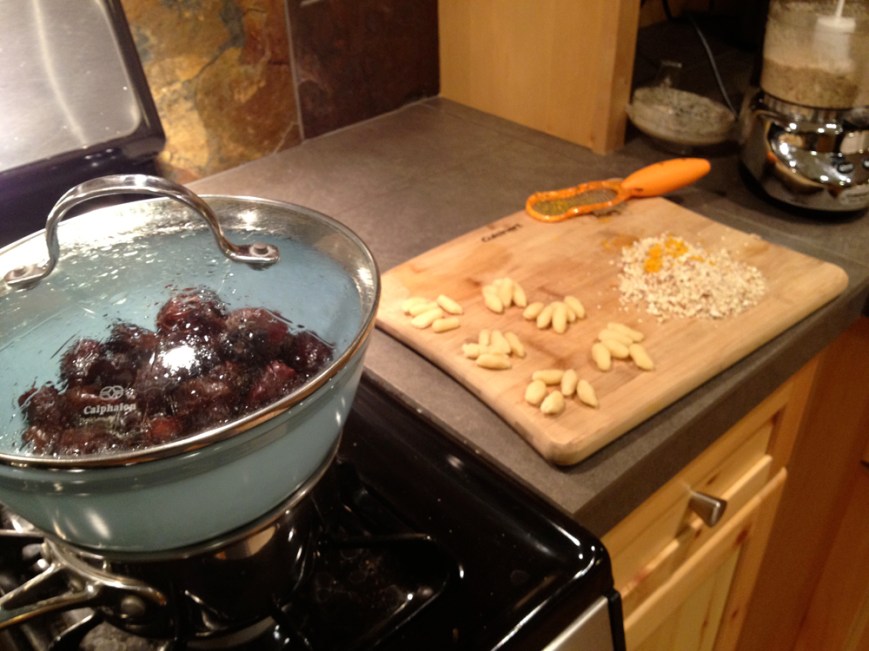
Place your pitted dates in the top of a double boiler.  I don’t actually own one, I use a pyrex bowl on top of a small pot of water, and the lid from another pot to cover the bowl.  Use whatever setup works, just make sure all the parts are heat safe and that nothing is in danger of falling over.

Pour over the dates: 1/4 cup brandy and 2 Tablespoons orange juice.  Bring the water in the bottom pot to a simmer, and let the dates heat in the brandy and OJ for 15 – 20 minutes (depending on how moist your dates are to start with), stirring them occasionally to make sure they all get a chance to soak up some yummy liquid.  They are done when the skins are curling off, you’ll see what I mean.

While the dates are cooking, pinch off pieces of almond paste and squish them to be about the size and shape of date pits.  They can be a little bigger, but not too much, or the dates won’t close around them.  Note: marzipan and almond paste are often sold side by side in the baking aisle of the grocery store.  Almond paste has more almonds and less sugar than marzipan, so it’s a better choice here because the dates are quite sweet on their own.

Also prepare the coating: grind about 1/2 cup almonds (some small chunks can remain but there should also be finer pieces – I do mine in a small food processor).  Add a pinch of sugar, a pinch of cinnamon and the zest of 1/2 orange.  Stir the coating together and put it on a cutting board or a plate for rolling.  Have a plate or piece of wax or parchment paper nearby to place the finished dates on.


stuffed dates 3

Hmm, iPhone pic, one of my goals for 2013 is to figure out how to take good pictures in my kitchen . . .

When the dates are done and cool enough to handle, pick them up one by one and peel off the large sections of skin that easily come off.  You don’t have to get all the skin off, but do get a fair amount so that the almonds will stick.  Place a piece of almond paste in the middle of each date, squeeze the date closed around it, and roll the surface in the almond mixture, then place the finished date aside.  You may have guessed that there are no clean hands for this part, but you do get to lick your fingers at the end.  As an extra bonus, there may be a little date-and-orange-steeped brandy left in the top of the double boiler when you finish the dates.  I highly recommend you drink this when no one is looking – it’s divine.

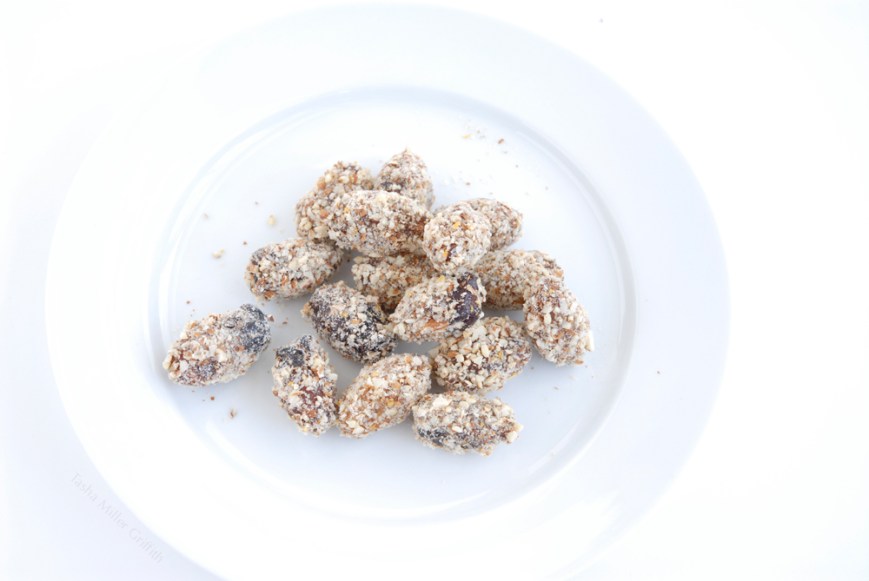
Let the dates dry for a few hours or overnight, then store them airtight.  I’ve never had any left to see how long they last, I would guess at least a few weeks in the fridge, and I ship them without fear.


stuffed dates 2


Enjoy!  And have a lovely solstice.

How to Pick Up a Dropped Stitch in Knitting


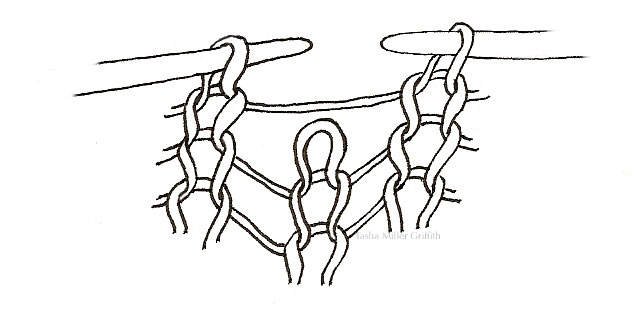
dropped stitch drawing 1


I wanted to show you how to fix hole in a sweater (or other knitted article) and as I started putting words and pictures with how I do it, it became more and more obvious that knowing this first would be extremely helpful.  So, even if you don’t knit, keep reading . . .

A “dropped” stitch is one that falls off a knitting needle, or the thread above it breaks (like a run in stockings) so that it becomes disentangled from the stitch above it.

Knitting is just pulling loops through loops.  When one loop pops out of the loop below it, it releases into a long loose bar, and can easily cause a chain reaction.  But please do not panic, it’s almost as easy to pick those loops up again as it was for them to pop out in first place.


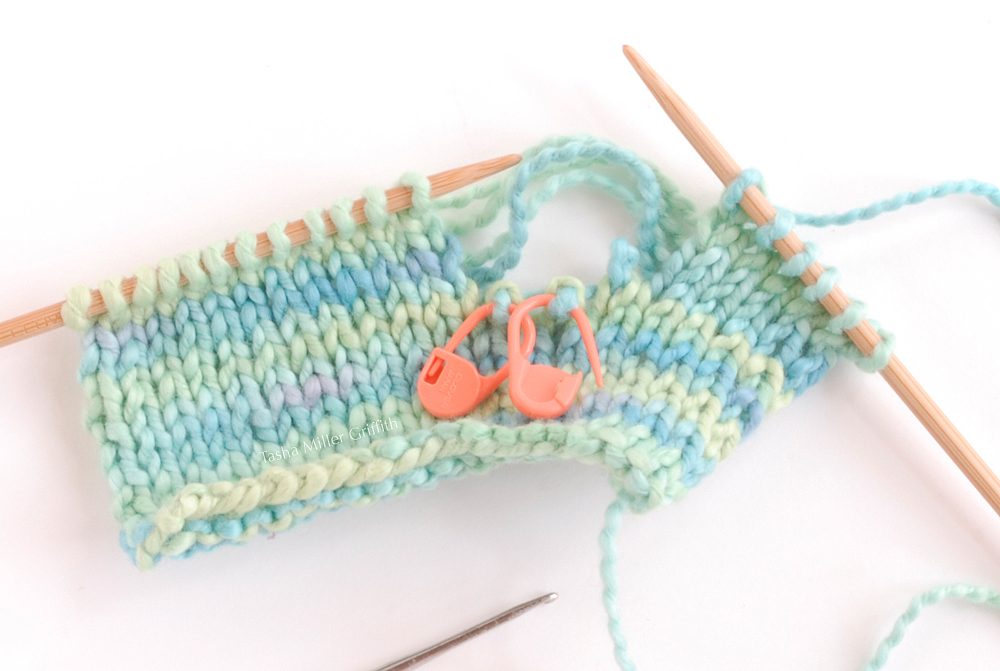
dropped stitches 1


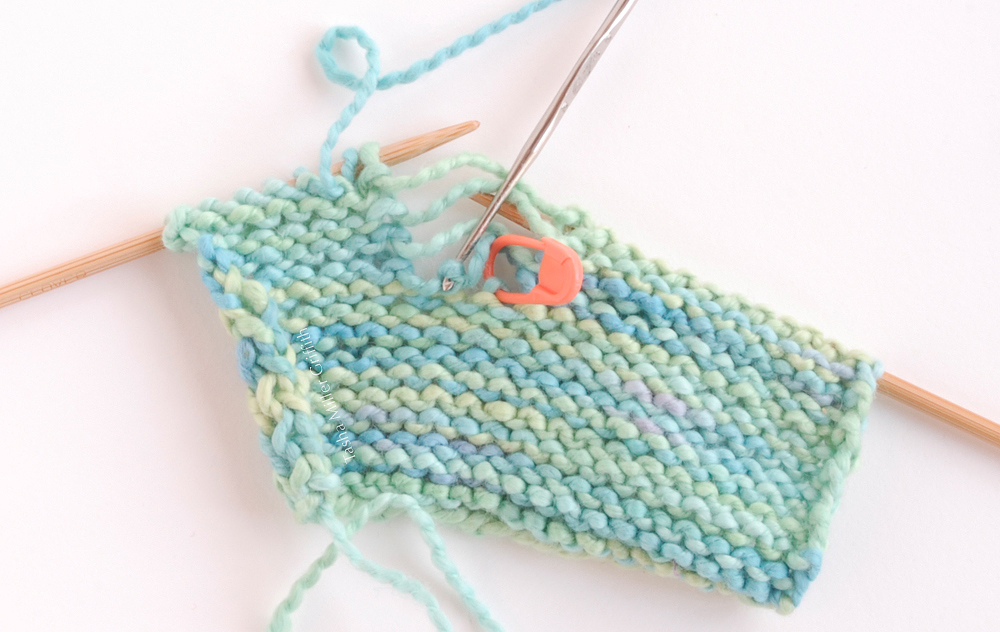
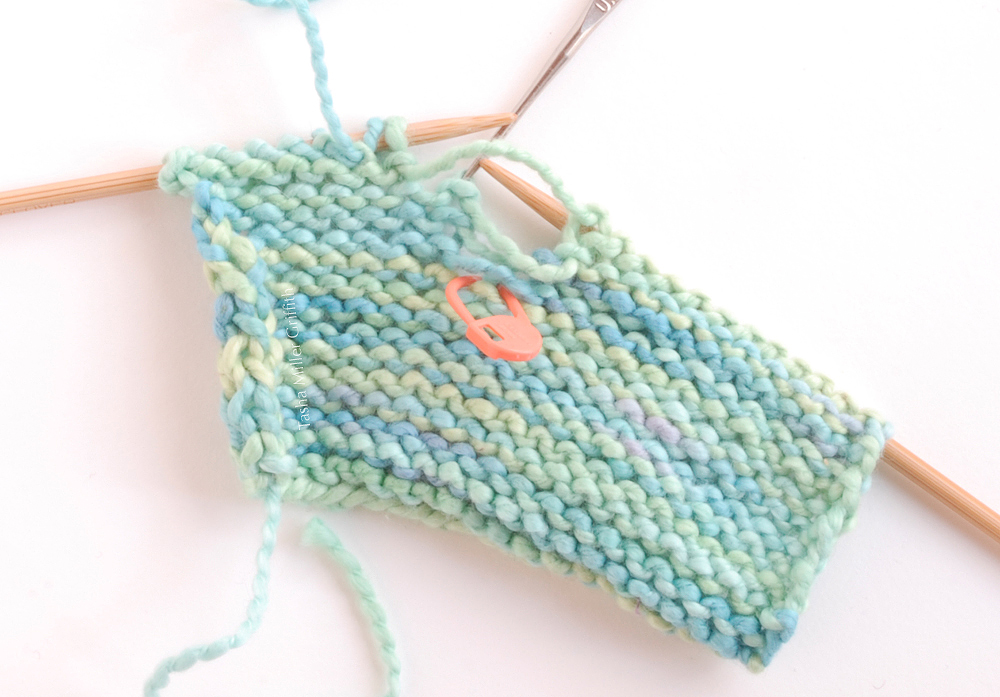
If more than one column of stitches is coming undone, first find the last/uppermost intact loop of each column and stick something (like a safety pin or a piece of yarn) though it, to keep that column from unraveling any further while you work on the others.


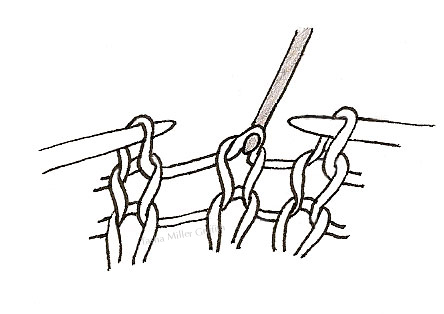
dropped stitch drawing 2


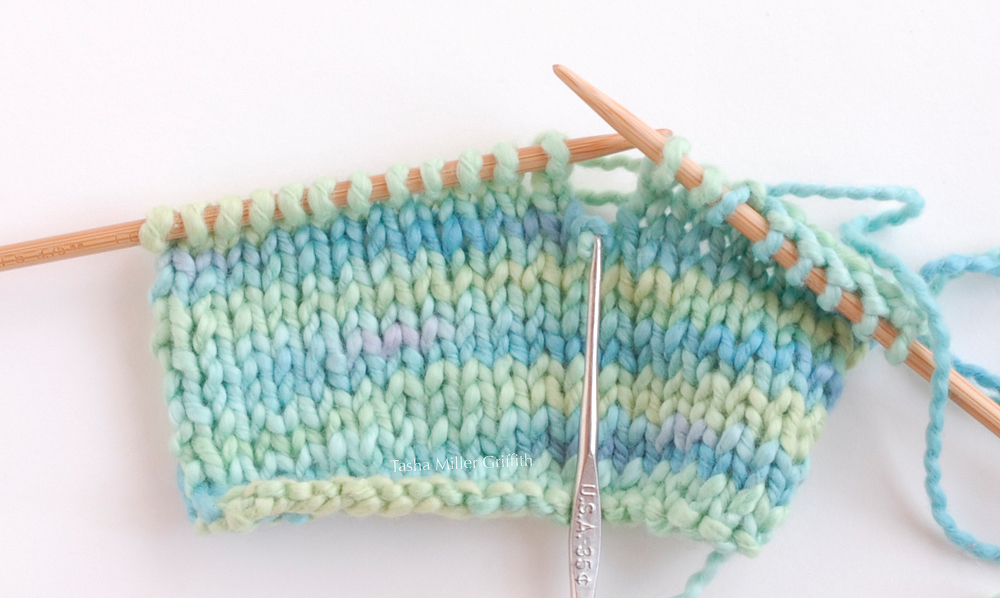
To pick up a stitch, get a crochet hook (mine is tiny – I found it in a heat vent in an apartment we rented in Madison, and it’s been in my knitting bag ever since – a little bigger one will probably be easier to work with).  Stick the hook through the last intact loop, grab the bar above that loop with the hook, and pull the bar through the loop.  It will form a new loop.  Ta da!  I think it’s easiest (and doesn’t cause twisted stitches) to have the hook facing down, grab each bar from above and pull it straight through.  This does mean you’ll need to take the hook out and stick it straight through the new loop to pick up another bar, if your stitch has dropped more than one row.


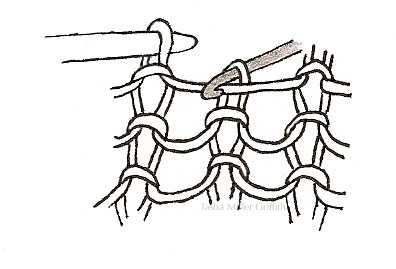
dropped stitch drawing 3


One refinement; knit stitches are loops pulled toward you, and purl stitches are loops pulled away from you.  So, to pick up a knit stitch, have the bar behind the old loop, and pull it toward you.  To pick up a purl, put the bar in front of the old loop, insert the hook from the back, and pull the bar away from you to make a new loop, as shown above.  That’s it!  Not only can you now pick up stitches, if you’re paying attention you’ll understand the fundamental structure of knitting, and the difference between knit and purl stitches.  Pretty cool, eh?


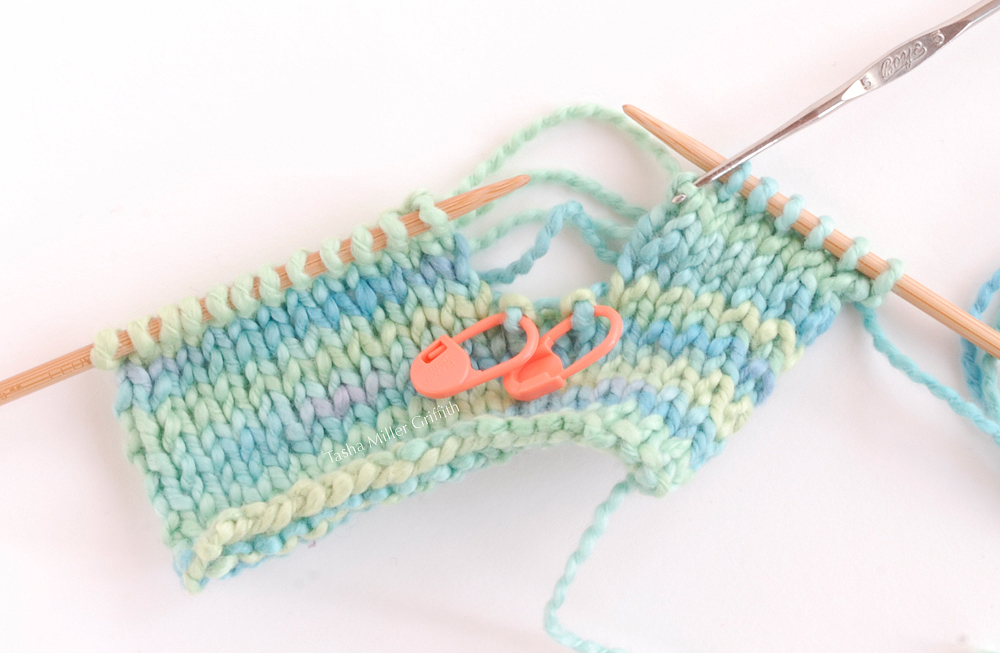
dropped stitches 3

dropped stitches 4


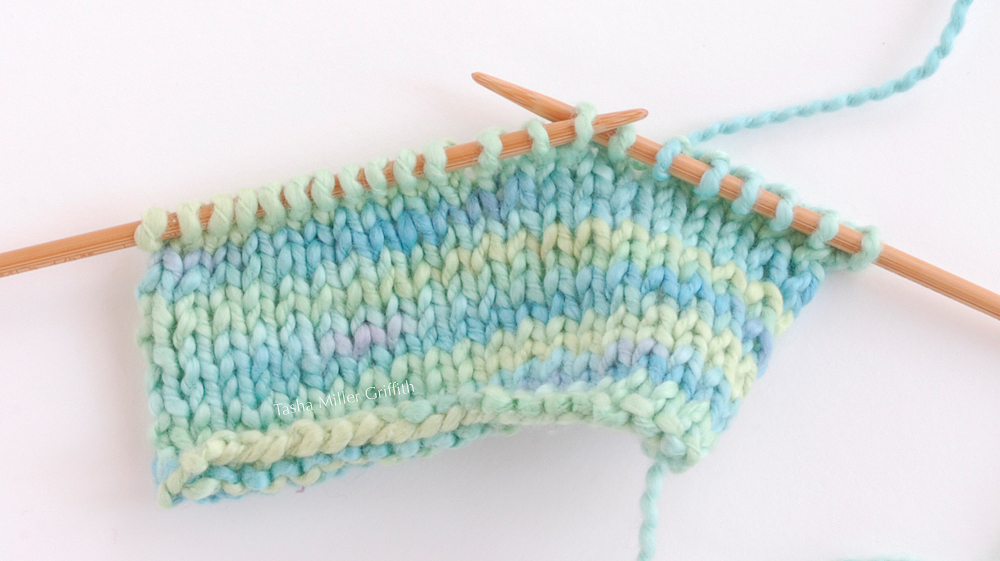
If you’re working with a bigger area of dropped stitches, pick up one column at a time by making a new loop from each bar, making sure to pick up the bars in their natural order.  Move them around with your finger and check which ones connect to the adjacent stitches where to make sure.  The two pictures above show picking up one column of purl stitches.  When you get to the top of a column, put the last loop back on whichever needle is convenient to continue working, you can rearrange them when you’re done.  Make sure that the loop is sitting on the needle the same way as the other ones which did not fall off – flip it the other way and check if you aren’t sure.


dropped stitches 2


Move to the next column if there is one, and pick up the bars in order again, until all the top loops are sitting on the needles again.  Look to see where the yarn you are working with is coming from, this is always the last stitch you knit.  You may need to pass stitches which haven’t been knit on this row yet back to the left needle to get them ready to work.  Remember to pass them with the needles tip to tip, which won’t twist the stitches.  And we’re done!


dropped stitches 6


Now that dropping stitches and picking them up is not so scary, we come to the second great thing about knowing this: you can do it on purpose to fix other mistakes.  Say you look back and realize that three or four rows previous to where you are now, you knit a stitch when you should have purled it in your pattern.  Instead of ripping out all the stitches you’ve done since then, you can just drop the stitch directly above the mistake, and let it ladder down as far as you need.  Then, you can pick up each stitch as a knit or a purl, whatever you need to make your pattern right – and your mistake is fixed!


dropped stitches 5


I was mostly done with the photos for this post, and wondering if they were clear enough, when I remembered that I already had drawings, scanned in and ready to go, from the handouts I make for in-person classes – a good thing!

If you have questions about this, or another topic you’d like to see featured here, just let me know.  Happy making!


Just a Wreath


SW wreath 1


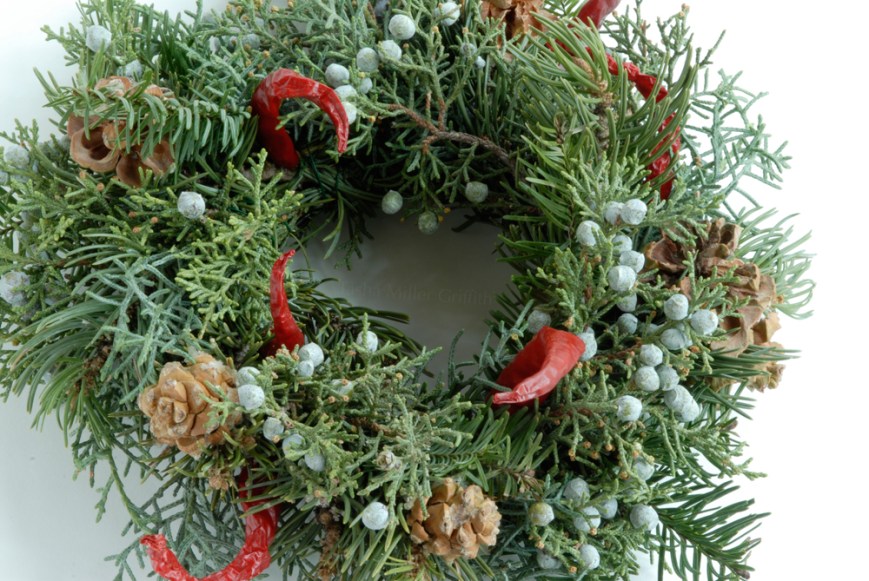
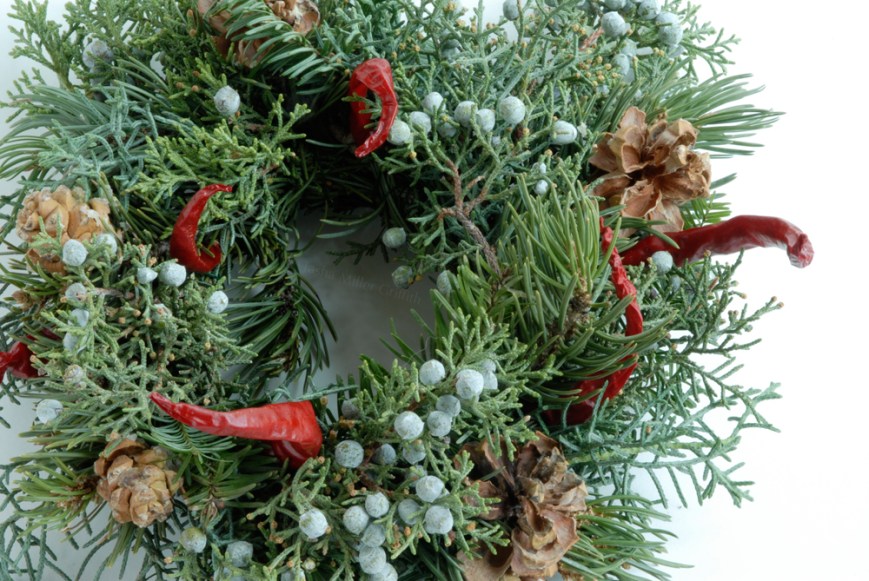
I spent this morning making wreaths with my crafting buddies at my friend Elena’s house.  She’s been making them for 20 years, so she gave us expert advice, and it was super fun.  Her whole living room floor was covered with a big blue tarp, and on top of it, buckets and boxes stuffed full of all kinds of wonderful greenery, dried pods, and beautiful berries, chiles . . . with that much natural beauty it would be tough to make anything that didn’t look good.  I made this one with lots of stuff from right around here.  I wish you could smell it!  Piñon cones and juniper are two of my favorite smells in the whole wild world.  I guess we all like smells that remind us of home.


SW wreath 2


I hope you’re enjoying the season!


Holiday Hat Giveaway

6-18 months 2

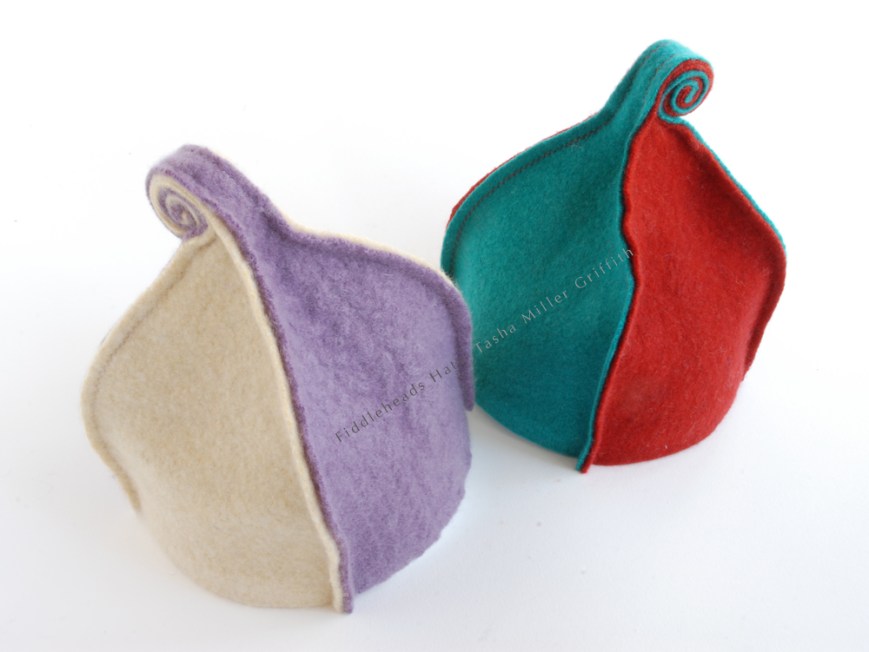
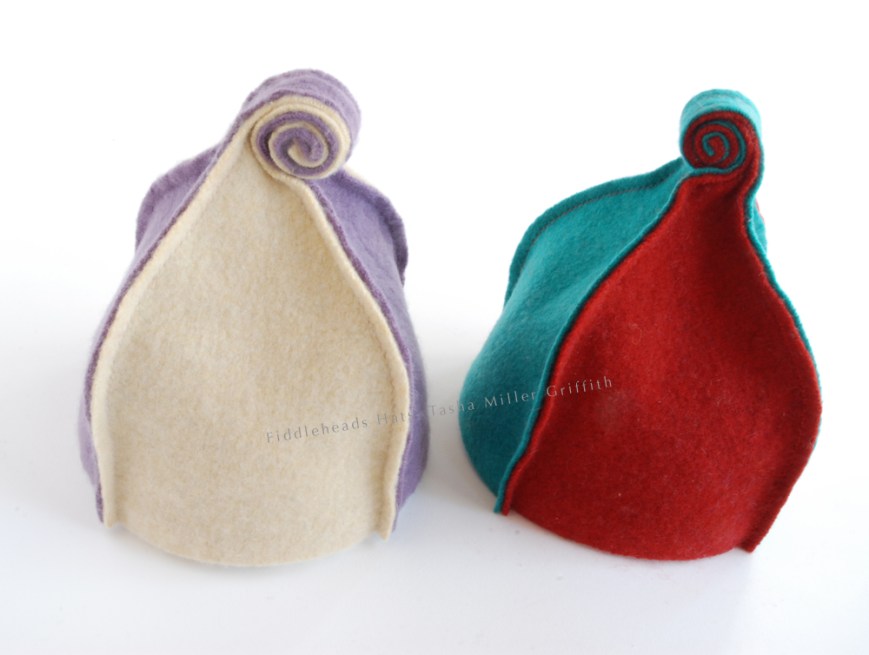
About time, don’t you think?  I have two more of my fuzzy little Fiddleheads hats to give away!  They are made from recycled cashmere, super soft, eco friendly, and easy care.  These two will fit most kids from 6 to 18 months old.

Winning is easy!  Just leave a comment saying which hat you’d like and one thing you like about it – be creative!  You can get additional entries by mentioning this contest on your own blog, facebook, twitter, etc., just leave another comment with the link.

6-18 months 1

This contest is open to anyone around the world, although delivery in time for Christmas outside the US is not guaranteed.  I will keep it open until midnight Saturday (Dec 8) mountain time, and choose a winner using a random number generator.

Good luck!  Hope you’re having a great start to your week!

Update: this contest is closed now, but you can still get your very own custom hat from my Etsy shop!

Yarn as Jewelry


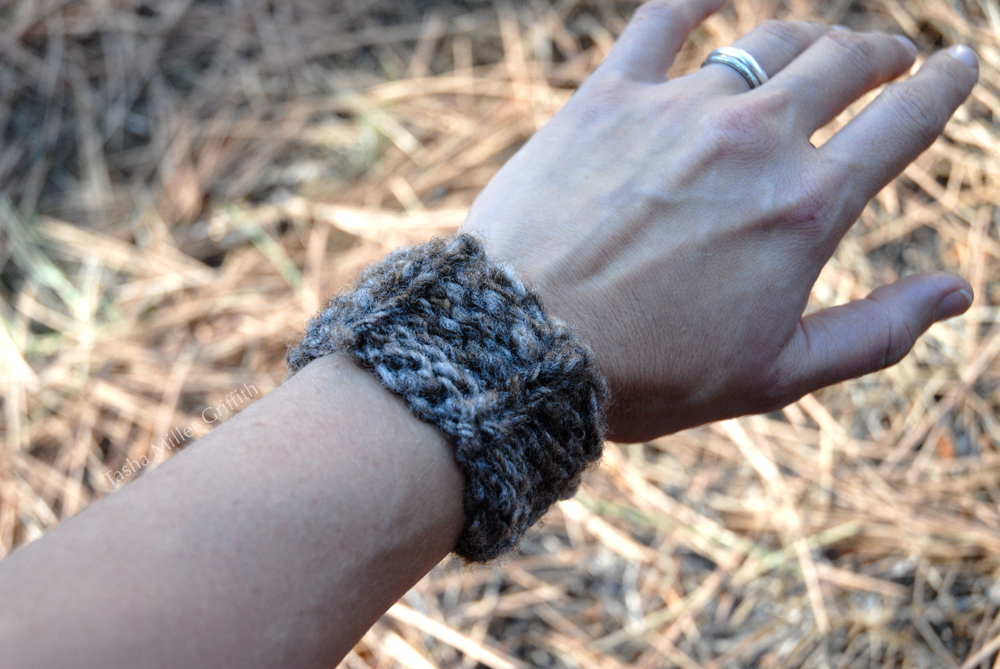
I bought this yarn at a tiny shop in Albuquerque’s Old Town years ago.  It’s hand spun, and there was such a tiny amount on the skein (which I didn’t realize at the time) not even enough for a whole hat!  I ended up using it in part of a hat for Bryan.

But, it’s totally gorgeous!  Just look at it, there are parts that are spun so tightly that it’s basically too much twist, but those parts also give it a bit of shine, and highlight the natural color variations.  I fell in love with it right away, and I was still in love with this little bit I had left.  At some point it occurred to me to wear it as jewelry.  To me this wool yarn is just as beautiful as anything else you might put around your wrist.  So . . .


If you’d like to make one too, it’s quite easy and quick, I made this one (including a small sample and pulling that out) while talking to friends and waiting for dinner!  Just be sure to use a very stretchy cast on and bind off, because the whole thing must stretch over your hand and still fit close around the wrist.  I like “Jeny’s Stretchy Slipknot Cast-On“, I’ve been using it for all kinds of things lately, as it looks good in addition to being super stretchy.  “Jeny’s Surprisingly Stretchy Bind Off” is a little bulkier, but perfect for something like this, or the top cuff of a sock, etc.

I wanted mine to fit close, so I used my wrist measurement minus 10%.  Multiply your desired size by how many stitches per inch you are getting in your yarn, and that’s it!  Mine is 20 stitches around at about 3 sts/inch.  The pattern is purl 3, knit 1, repeat until desired length, or until you run out of yarn like I did.

Bryan called this my “warrior sheep woman cuff”.  I’m, um, calling that a compliment!

What unusual things do you think are beautiful?  Would you like to display or wear them somehow?


A Good Veggie Stock, and Drawing More Regularly

Two things that have eluded me until recently come together!

The stock, I don’t know, I’d just never been happy with any that I’d tried, it was one of only maybe two times that the Joy of Cooking has outright failed me, I wasn’t sure what other recipes to try . . . I finally “got” it when reading Deborah Madison’s Greens Cookbook, for some reason the way she explained using the veggies you have and tailoring the stock by adding say ginger and garlic for curry soup, etc., made more sense to me than essentially the same advice I’d read other places . . . so I just started making it, using “basic” vegetables and adding whatever seemed good or to go with the soup.  Hooray!

The drawing, it’s something I continually mean to do more of, and occasionally set specific goals and/or read books about it from the library, but for some reason it’s hard for me to keep up on any kind of regular basis.  I know, I KNOW that if I would just practice I would get smoother and better and eventually I could make little sketches that look like what I see, which is a goal of mine (I do my own illustrations for knitting handouts, which involves drawing the human hand, but very slowly and only when I’m in the exact right mood, ie almost never).  Then just this week I happened upon this post in which Jess shares some “maps” she made for parties, little plans with drawings and words about what she plans to make and how to arrange it.  This idea clicked with me immediately since I am such a visual learner, I think images enter my brain on a fast track while words need translating first.  So I started making them as plans for the day or the week, drawing the parts that are easily visualized.  I’ll show you some – later.


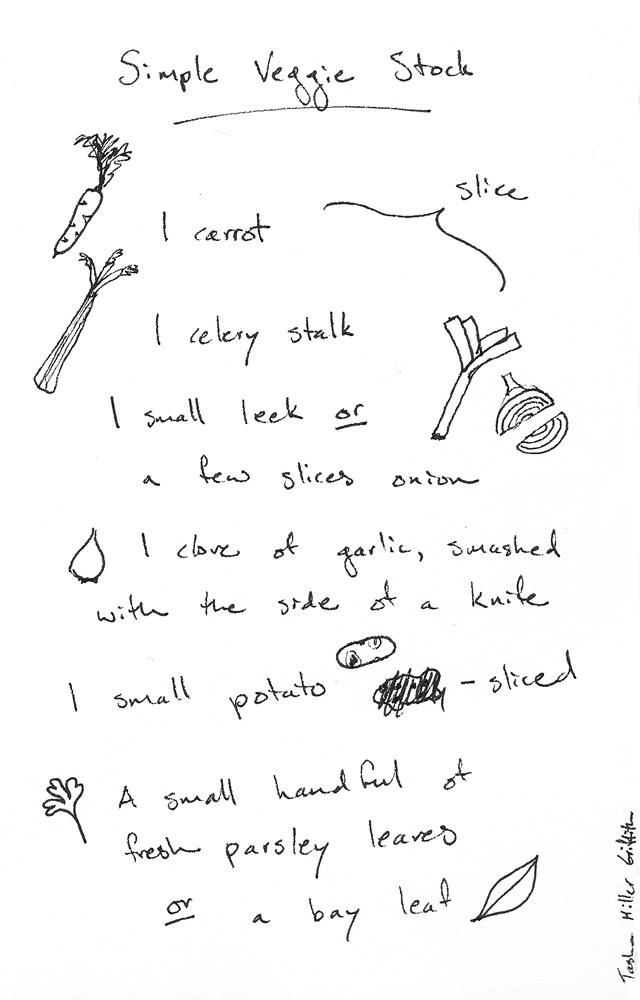
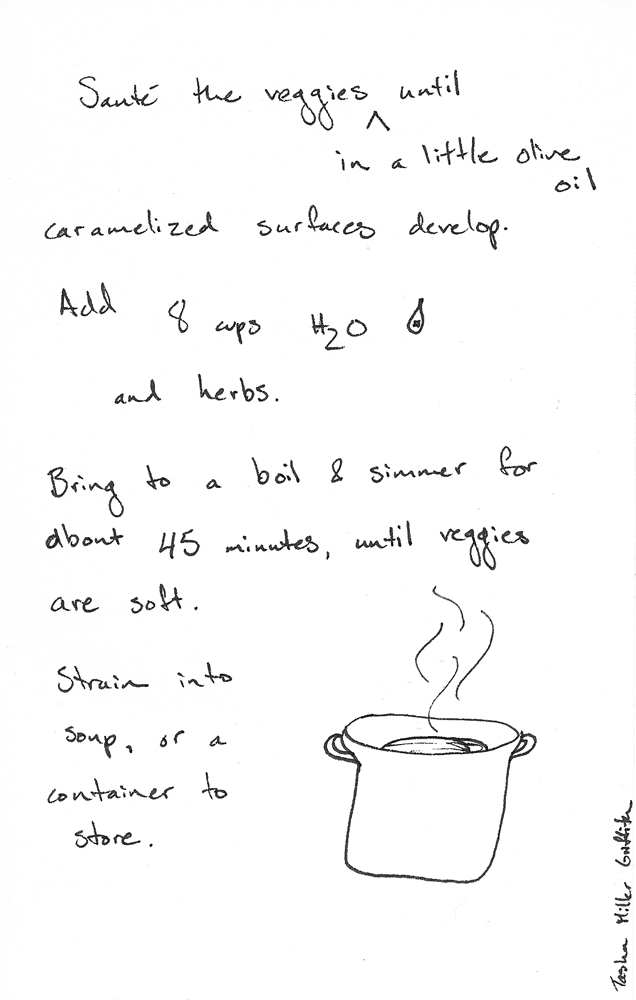
For now: Recipe Sketch (real sketch this time!):


See what I mean?  The drawings don’t have to be perfect, the point is not that they achieve any particular proficiency at all (good thing because my first potato looked more like a mutant amoeba), the point is that I’m practicing and if I keep practicing I will necessarily get better!  I’m in love with these visual lists, I find them really playful, letting my brain roam in new directions rather than just spitting out one item of “to do” after another.

It seemed like a good time to bring these two together since stock is one of the few foods NOT crying out for me to photograph it.  And, if you’re cooking anything vaguely traditional for Thanksgiving, you’re likely to have a lot of these ingredients on hand.

Do you draw for fun, or add visuals to other things?  Please share what you put in your veggie stock, I’d love to have more ideas!


Fitting Pants (Trousers) – At Last!


Let me just say this has been a long journey.  I’ve never had ready-to-wear pants that fit me, if they fit Ok through the thighs and seat, they’ll be ridiculously baggy around the waist, etc.

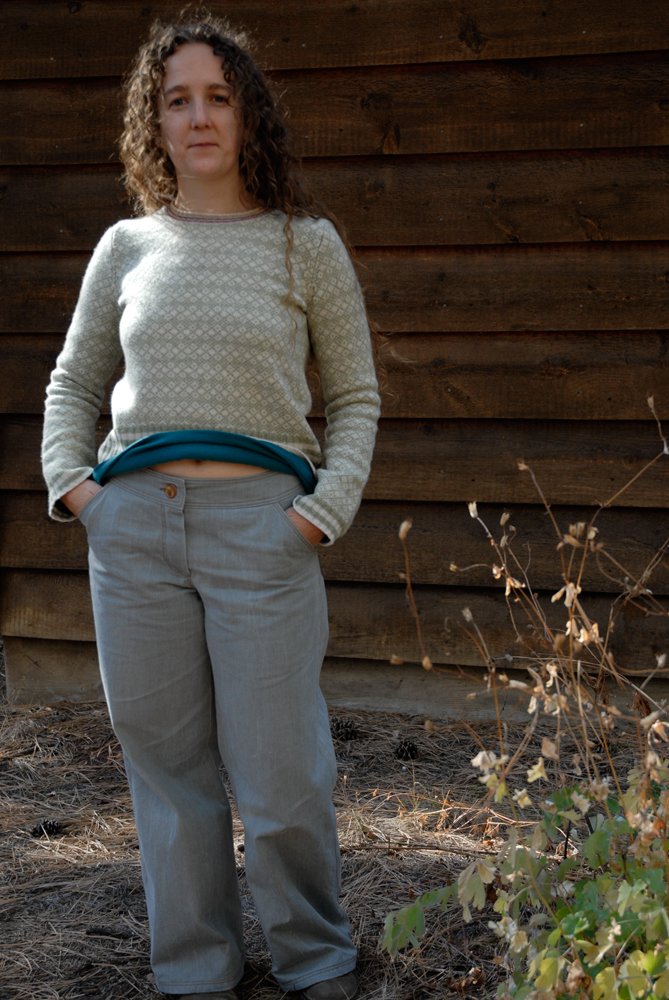
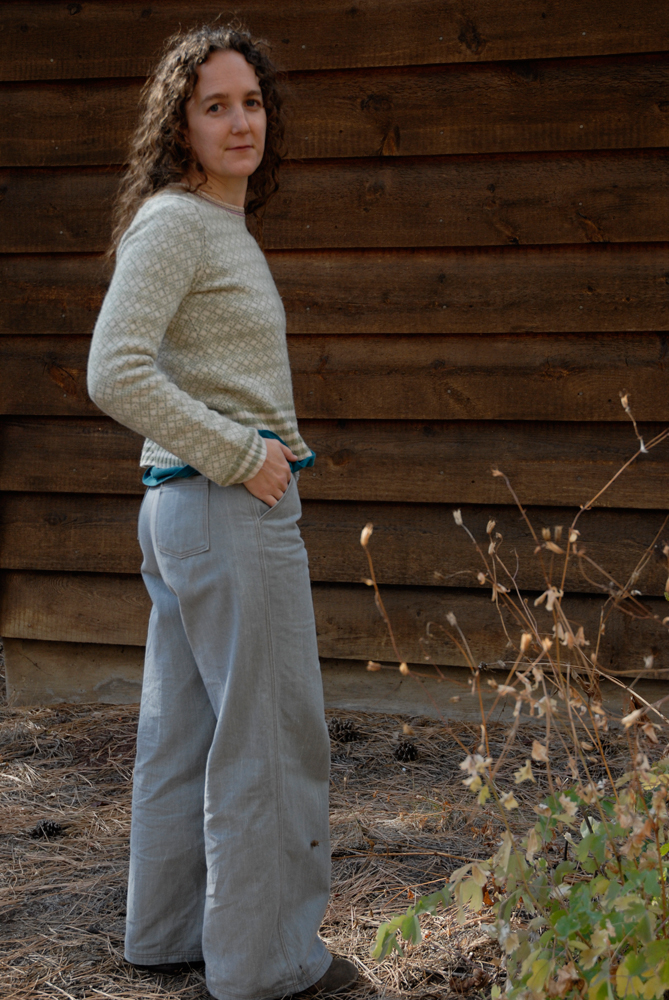
I also haven’t had a huge amount of luck making my own pants, until now that is!  I’ve definitely made pants, lots of trial ones and some real ones, but there are just so many variables that sometimes it’s been hard to tell exactly what to change for my next pair.  This pair, however, is really close, and I learned a lot along the way, mostly thanks to my internet friends.  I just feel so self-sufficient wearing these pants, it’s fantastic!  On their very first day I wore them to hang a show of Bryan’s work at a restaurant here, climbing up and down ladders and carrying things around.  Then the next day I wore them with a nicer sweater and looked totally presentable (ok, after wiping off some grime from the day before . . . )


I’ve definitely learned some sewing lessons along the road to pants that fit.  Among them:

  • It’s possible to draft a pattern from scratch from your measurements and still not like the fit.
  • If you copy a pair of pants made in a stretch fabric, do not try to convert them to a non-stretch fabric, the “fit” you like will probably disappear.
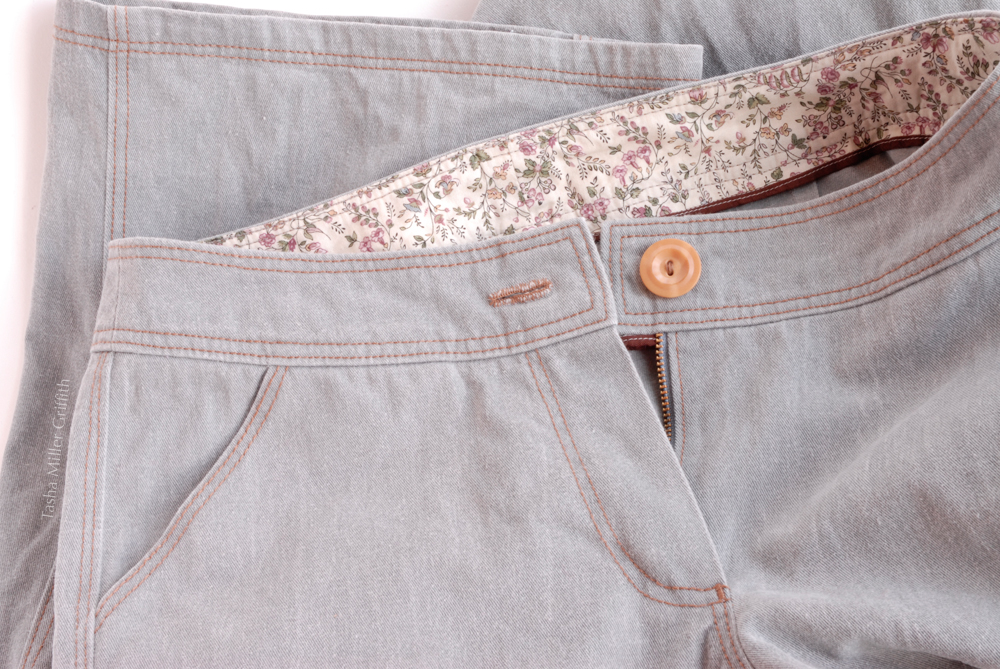
  • Using top stitching, and thick top stitching thread, really makes your pants look more professional.

For this pair, I worked from a copy of some corduroys I thrifted last fall.  I liked the fit of them pretty well through the hard-to-fit booty area, and I knew I could taper the waist to fit into a contoured waistband.  I had made one previous test version out of thin nylon for hiking, which were wearable but a bit tight.  So, my first idea, which I should have thought of a million years ago, for these was to use 1″ seam allowances all around to give me a little room to work with.  I’m totally doing this on every pair of pants I make from now on, and it turns out it’s also recommended in this genius book (more about that in a minute).
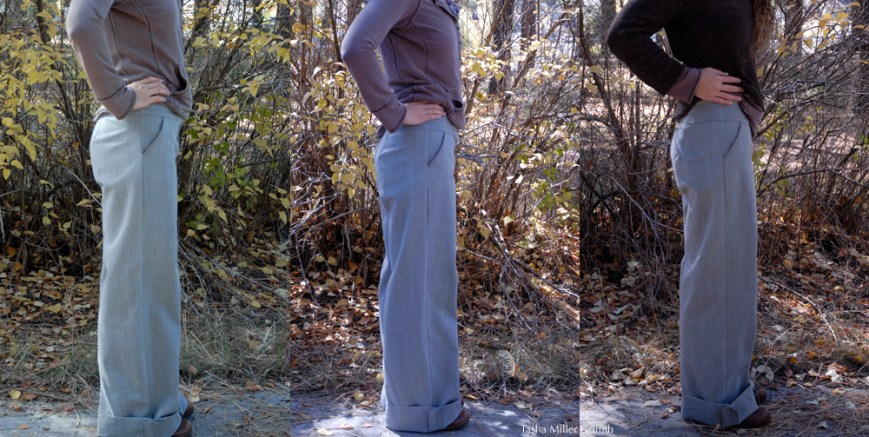


The second thing I learned on this pair is that it’s amazingly helpful to take pictures while you’re fitting.  I NEVER would have thought to do this before I had this blog, but I can’t recommend it highly enough.  You don’t have to show the pictures to anyone, but you can go back and see exactly what you’re working on, long after you’ve taken them off.

The third thing I learned was that there’s great info about fitting pants on the web!  Even though I scoured every single mention I could find in Threads magazine, again, the most useful stuff I found was on other blogs.  Thanks especially to Tasia’s post of fitting resources (her pattern would be a good place to start on pants if you’re pear shaped like me), where I linked to Sunni’s enormously helpful trouser sew-along (my pants looked remarkably like hers in the back picture here).

She also recommended the book Pants for Real People.  I had passed this book by at the library before, since none of the models are shaped like me.  But, don’t let that deter you, the illustrated fitting problems and solutions in this book are total GENIUS!  I have probably never been more happy that a book was at the library just when I needed it, and I ordered my own copy as soon as I read it.  And I quote, for full derriere,

Generally, you need to add only to the back inseam, but rarely you need to also add to the top.  Deeper, or additional, back darts may also be needed.

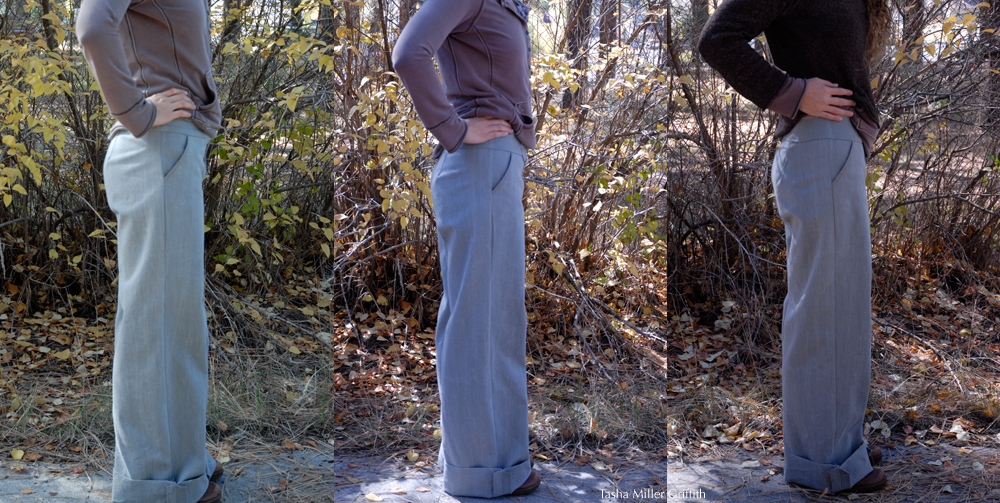
The back inseam?! It would have taken me at least another decade to figure that out on my own.  Check out my pants on the left above, then I let out the back inseam for the middle picture.  On the right, I used another tip from Pants for Real People, taking out my dart and making it deeper, and taking out part of the waistband so that I could pull up the back to get rid of those wrinkles at the hip.

Maybe I could let out the inseam a little more in the back, but I ran out of fabric to try it, even with my extra seam allowance.  Next time!
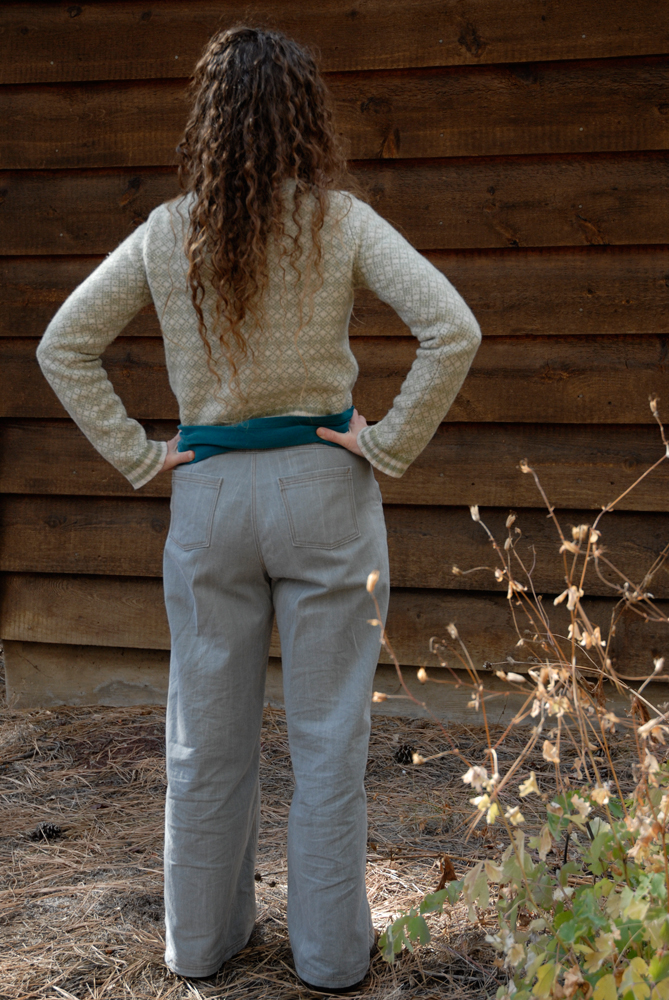


These pants are supremely comfortable in any position except sitting straight in a chair, when it feels just slightly like I’m being cut in half.  I have a couple of tweaks in mind for the next pair, but let me be clear: I am 100% OK with these pants not being 100% perfect.  In fact I’m thrilled that both:

  1. I MADE the best fitting pants I’ve ever had, and
  2. The next pair will be even better!

I have been frustrated along the way by making lots of test pants in muslin which I don’t wear around much, so it’s hard to figure out how they really fit, and I knew I was close enough this time with my copy that I’d end up with something wearable, so I went for “real” fabric.  I also like this approach because it lets me see how a more substantial fabric will behave, and because as I wear the finished pants in real life, I get a much better idea of how they work and what I’d like to improve.
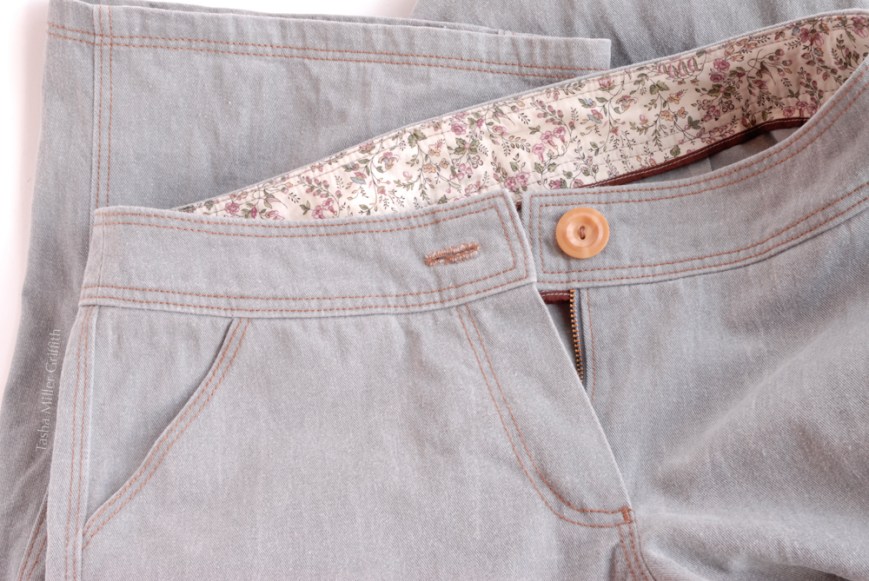


Just a couple of construction notes: I used a rayon ribbon to bind the bottom of the waistband, which I quite like, although next time I’ll try to get it closer to the bottom waistband seam so that it doesn’t flip up.  I debated whether this was too much top stitching, but on the pants when worn it doesn’t stand out much at all.  This is my third try at a vintage button, the first two did not survive a trip through the washer, by which I learned that if a button looks crumbly, it probably is, and if it snaps in half like a fortune cookie in your fingers, well, it wasn’t going to stand up to much.

Ready to tackle DIY pants?  I’d say there’s a lot of great resources out there, go for it!  I’ll mention one more pattern which could be a good starting place, Juniper from Collette, which just came out, with a similar shape to these.
Whatever you’re making, I hope it’s giving you that “I could conquer the world with this” feeling!

 

Saving Pumpkin Seeds


I’m kind of jealous of my friend Tom, who grew about 2 dozen pie pumpkins in his yard this year, here in Flagstaff!  He has been sharing them, which has been great, but I still found myself wishing that I had dozens of pumpkins too – wait a minute!  I have a yard, I have some grey water, and we were home enough this summer that it might have worked, plus it wouldn’t be too much work for our house-sitters.  So, I saved some seeds.


After reading directions here and here, I picked out and rinsed the seeds in cool water, then spread them out on this cookie rack.  At first they were plump and glossy, but after a week or so they have flattened out somewhat and the skins are crinkley & papery.  I think I’ll leave them out a little longer.  Further bulletins as events warrant!