Free Yourself to Make Something Ordinary


garment bag stitching


Now that I’ve told you a little more about why we travel most of the summer, I can also share some things I’ve made for our trips.


Our clothes spend a fair amount of time in a “closet” consisting of a thin strip of wood between the shelves we have built into our truck.  It’s much better than keeping them in a suitcase, but still not ideal since they are unprotected.  At the end of last summer, when we unpacked the clothes from truck to house, I noticed that one my jackets was significantly more faded on one side than the other.  Maybe hanging it with the same side to the skylight for the whole summer was not the best idea?  The same thing happened to Bryan’s jacket, so I’m pretty sure that extra UV light on one side was the problem—combined with the fact that it was warm last summer and the jackets didn’t come off the rack very often.  I had been thinking vaguely for a couple of years about making some kind of garment bags to protect our clothes from getting dirty/scratched up as we move things in and out of the truck, especially as I have started to take more me-made garments on the road.  This was the final straw, I had to do it.
 

garment bags hanging 2


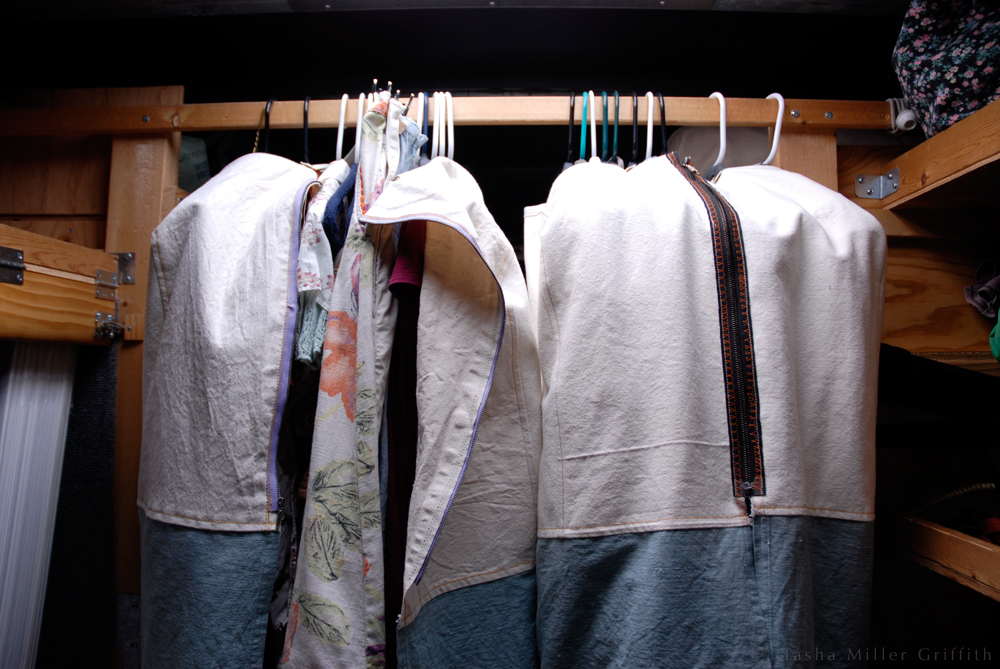
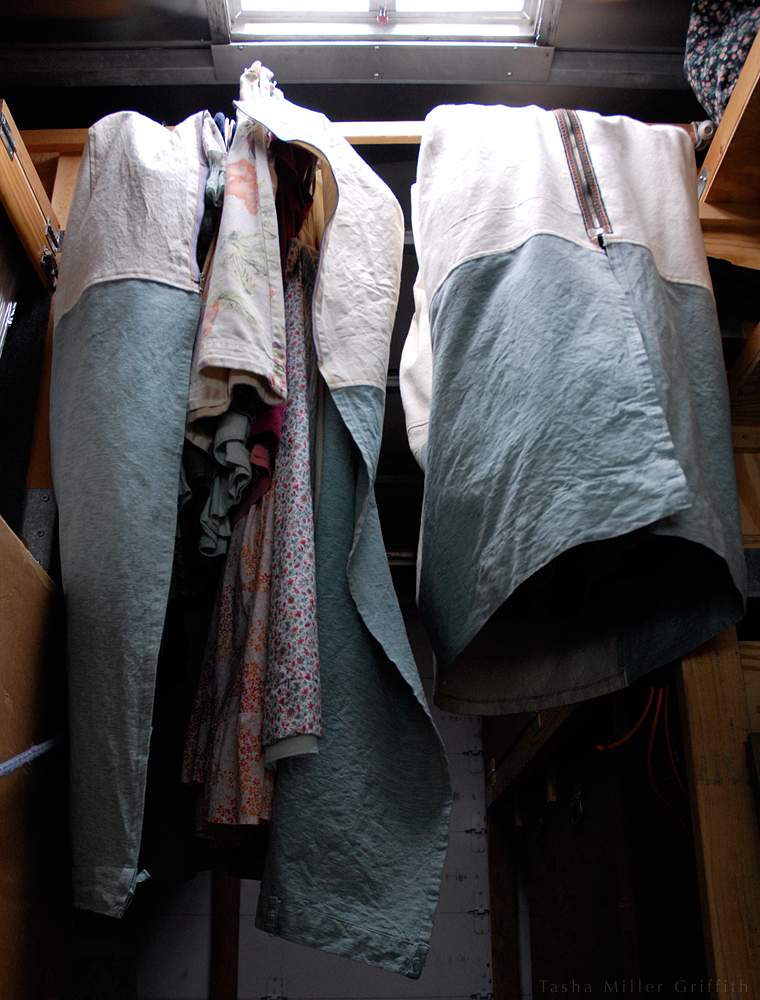
I decided to make two, each half the width of our “closet.”  One would be slightly longer than my summer dresses, and the other just long enough to protect shirts and pants.  I traced a plastic hanger for the shape of the sides, and left a split in the front to close with a zipper.


This was the perfect scrap/thrift store shopping project.  Since it didn’t matter exactly what the garment bags looked like, as long as they worked, I could use practically anything.  I used the last of some heavy canvas from old curtains that came with our house, plus another small curtain (made out of some great textured blue-green fabric) that I bought at Goodwill.
 

garment bags hanging


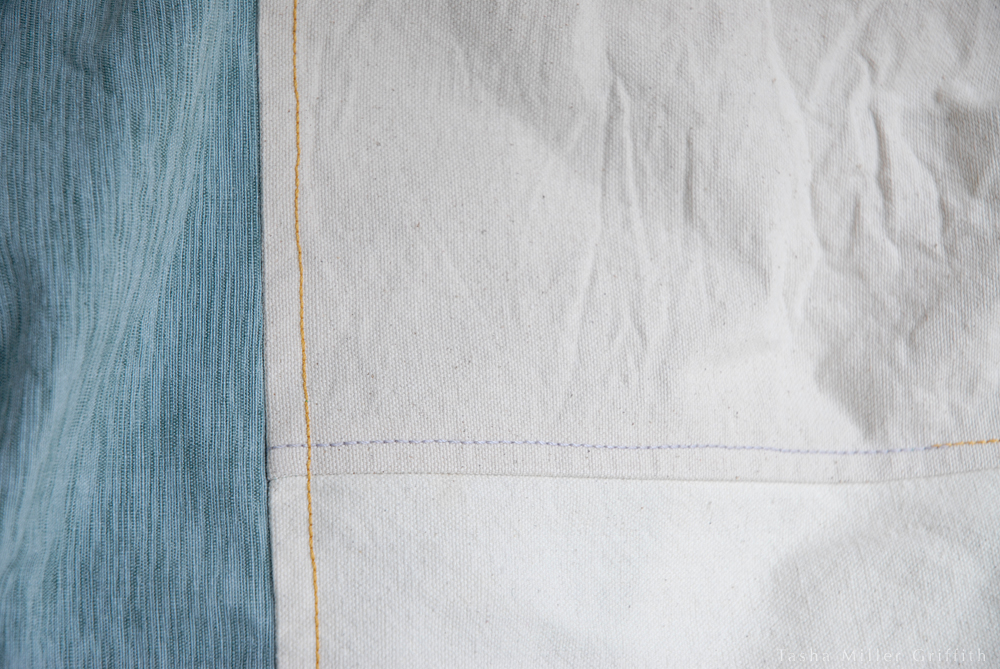
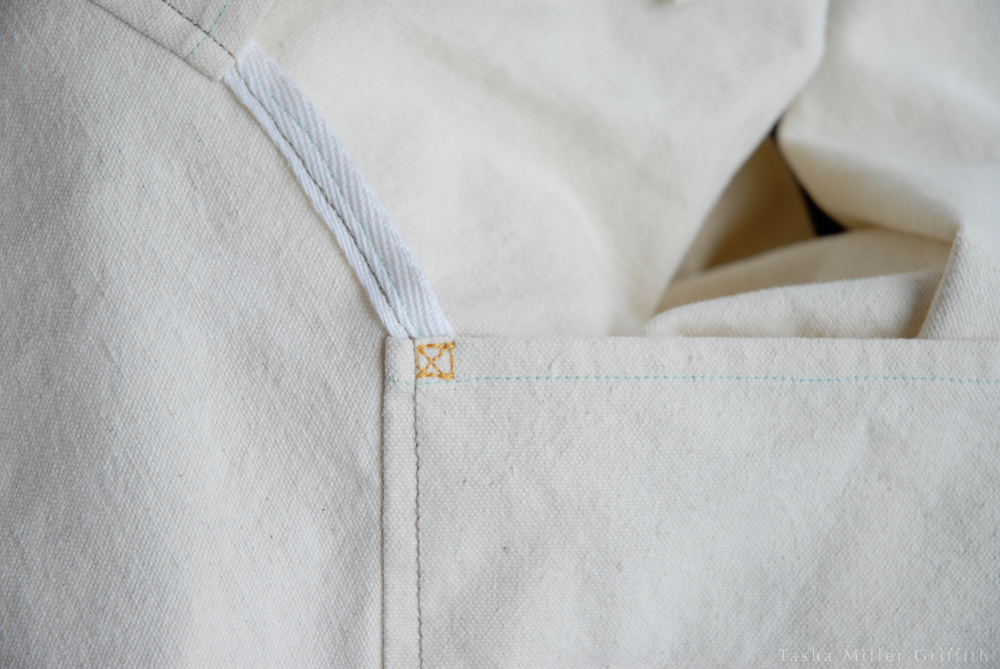
This may seem like a strange project to wax poetic about, but here’s the thing: as I cut myself loose from trying for aesthetic perfection, not caring what anyone would think of my topstitching or pieced fabric, sewing felt more like sculpting; using what I had on hand, and my hands, and just making something almost like I was pulling it out of the air.  I was free to use my creativity in any way I wanted, to use whatever I could find, odds and ends of colored thread, salvaged zippers (really nice ones actually)—and I started to see an unexpected beauty in my intentionally imperfect stitching, one that I hope comes through in these photos.  I was free to do whatever I wished, and yet cared enough to add little touches and experiments.  I was trying things, enjoying the process, and making something useful as I went.  With enough practice behind me to be comfortable with fabric and thread, I was able to just play, and it felt pretty magical.
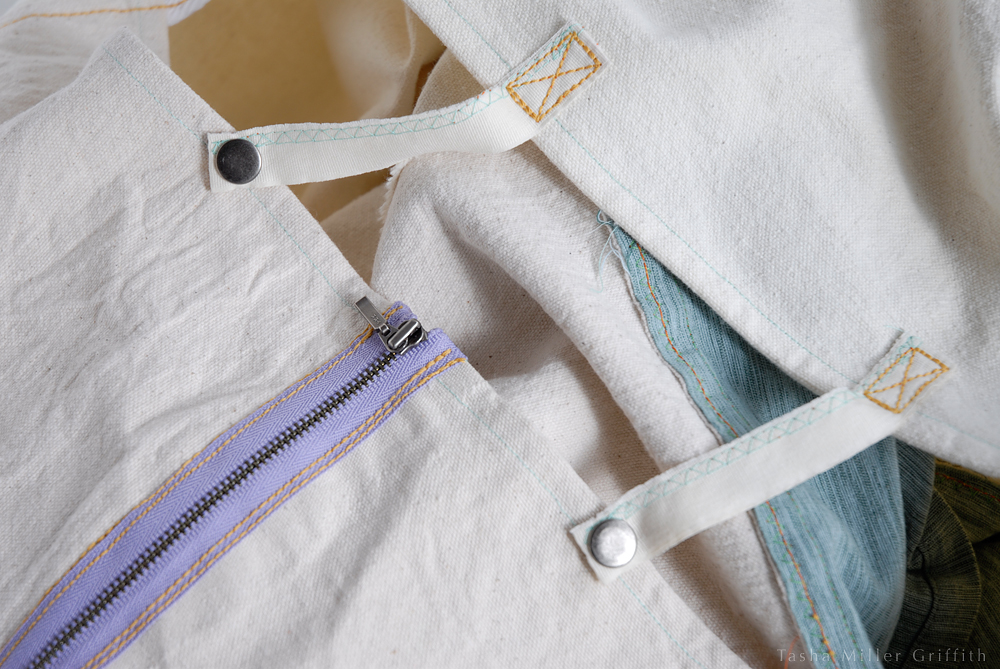
 

garment bag snaps


garment bag corner stitching


Around the same time, as we both worked on various projects for the truck and Bryan’s display before the summer season, he was refinishing the director’s chair that he uses in the booth.  He did a really nice job, dissembling and sanding the chair before applying the new finish.  After all that, I decided it needed a new bag to protect it from getting scuffed all over again as it’s loaded in and out.
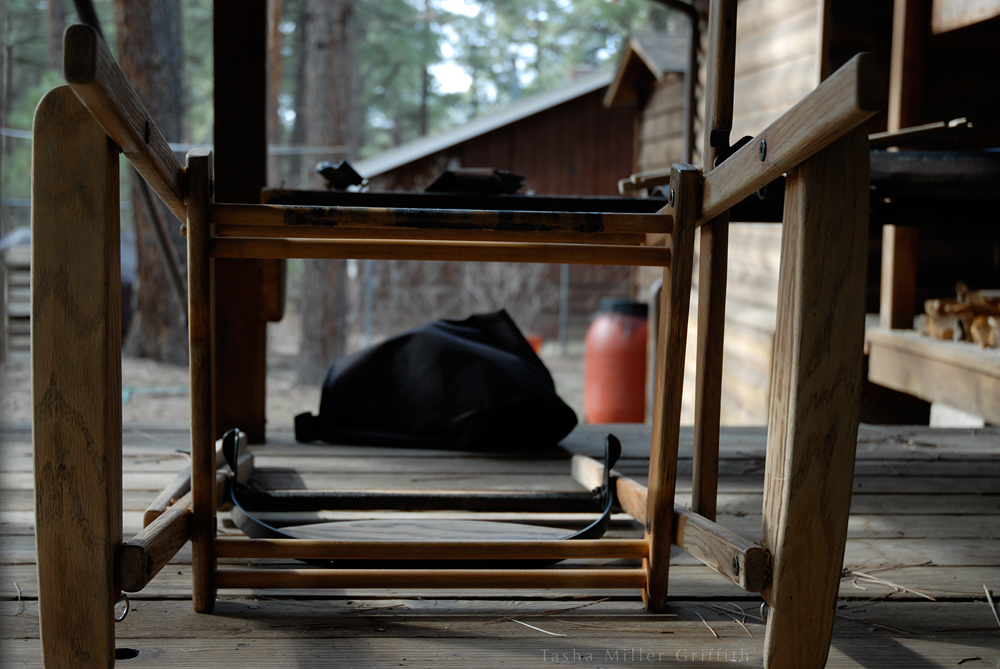
 

disassembled chair

Chair in the process of disassembly—we’re looking through where the seat would be.


I went back to the thrift store looking for something to line my chair cover with.  I loved searching through the housewares section, looking at everything as a material instead of a finished product (always my favorite kind of shopping), and letting the serendipity of what I found help shape my project.  I decided on two vintage towels for padding the front and back, and a second-hand piece of fabric to round out the outside.  I think the green stripes with my other leftover fabrics make it look like something for sailing.


When I announced that I was going to spend our penultimate evening in Flagstaff sewing (this chair cover), I got an enthusiastic “Ok!” from my notoriously goal-oriented husband.  Remind me to try this trick again next year . . .
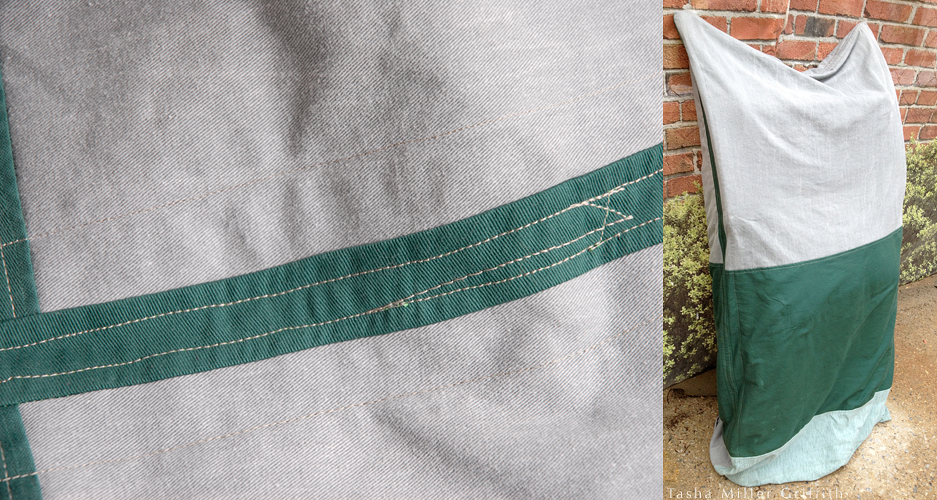
 

chair bag stitching


It’s weird, but having all these me-made covers on our travels this season has been quite a boost to my morale.  Every time I see them, or touch them, I’m reminded that I have a spring of creativity and ingenuity which I can use to make whatever I want, and whatever I need.  That’s pretty much all I need to feel good about life in general.


How about you—have you done any creative and/or freeing projects lately?
 

Life as Artists on the Road


I’ve been working on this post for a while (um, understatement).  I keep feeling like I should, or would at least like to, explain a little more about what we do and why it is that I travel so much, but it turns out to be not so easy to explain.  Everything from how I met my husband and fell in love, to the story of my own life and work so far, to the state of the art market (we’re not getting into that one here) is wrapped up in it, and just figuring out what to put in and what to leave out has been more difficult than I thought, but here we go.


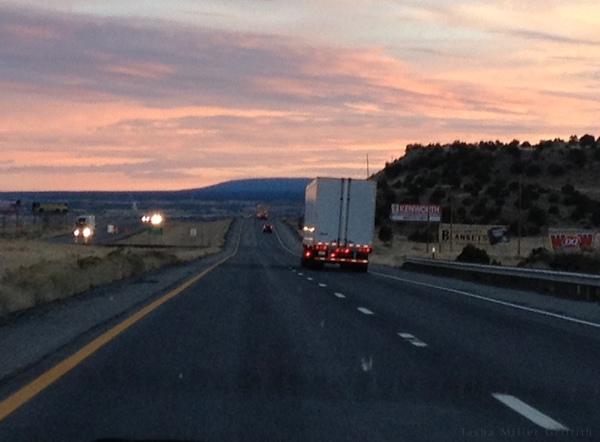
nm highway sunset

 View from the truck windshield—a beautiful sunset from I-40.


The beginning of the story, for the purposes of this post anyway, is 2000, when Bryan (long before he was my husband or had this work) left his career as a business consultant.  He didn’t like what he saw himself becoming—that guy in a suit who cuts off little old ladies on his way to the airport.  He looked at the senior managers at his company and saw that while they were paid generously, they didn’t seem happy.  They were still overworked and stressed out.  Most of them had been divorced.  They spent their careers working to help huge companies with questionable ethical and environmental records.  He wanted more time off, and to have some choice of his clients, neither of which the company wanted to give him.  He followed his heart and resigned.


Bryan wasn’t sure what he would end up doing next.  He was a passionate photographer, capturing America’s wilderness using large format film (he still does).  To make the next part of the story short, over the following few years he carved out a niche that would allow him to make a living.  By the time I met him, in 2003, he was traveling most of each summer, exhibiting his work and photographing for new projects, and spending his winters in Flagstaff, Arizona, where I grew up.


Meanwhile, I wasn’t quite sure what to do with myself.  I had left school at the University of Arizona (in Tucson), feeling unfulfilled, uninspired, and lonely, and moved back home to Flagstaff in December of that year.  I worked at a small museum in town (cataloguing lots of beautiful artifacts) and at a couple of other places off and on, but nothing that was going to turn into a career.  Bryan and I met at the end of that summer, started dating and (um, more long story getting short here) fell in love from fall through winter.  By the time he asked me if I wanted to travel with him the following summer, I was ready to say yes.  It was a big leap of faith, actually bigger looking back on it than it seemed at the time, but I knew he was the one for me, and it worked out.  We survived some big adventures together that first time on the road (some that I question whether I would stick around if they happened today), but we made a good team. By the time we got back home in the fall, Bryan had decided that I was the one too.  We got married in October 2005, and we still travel together every year.


(This pic is actually our return last fall)

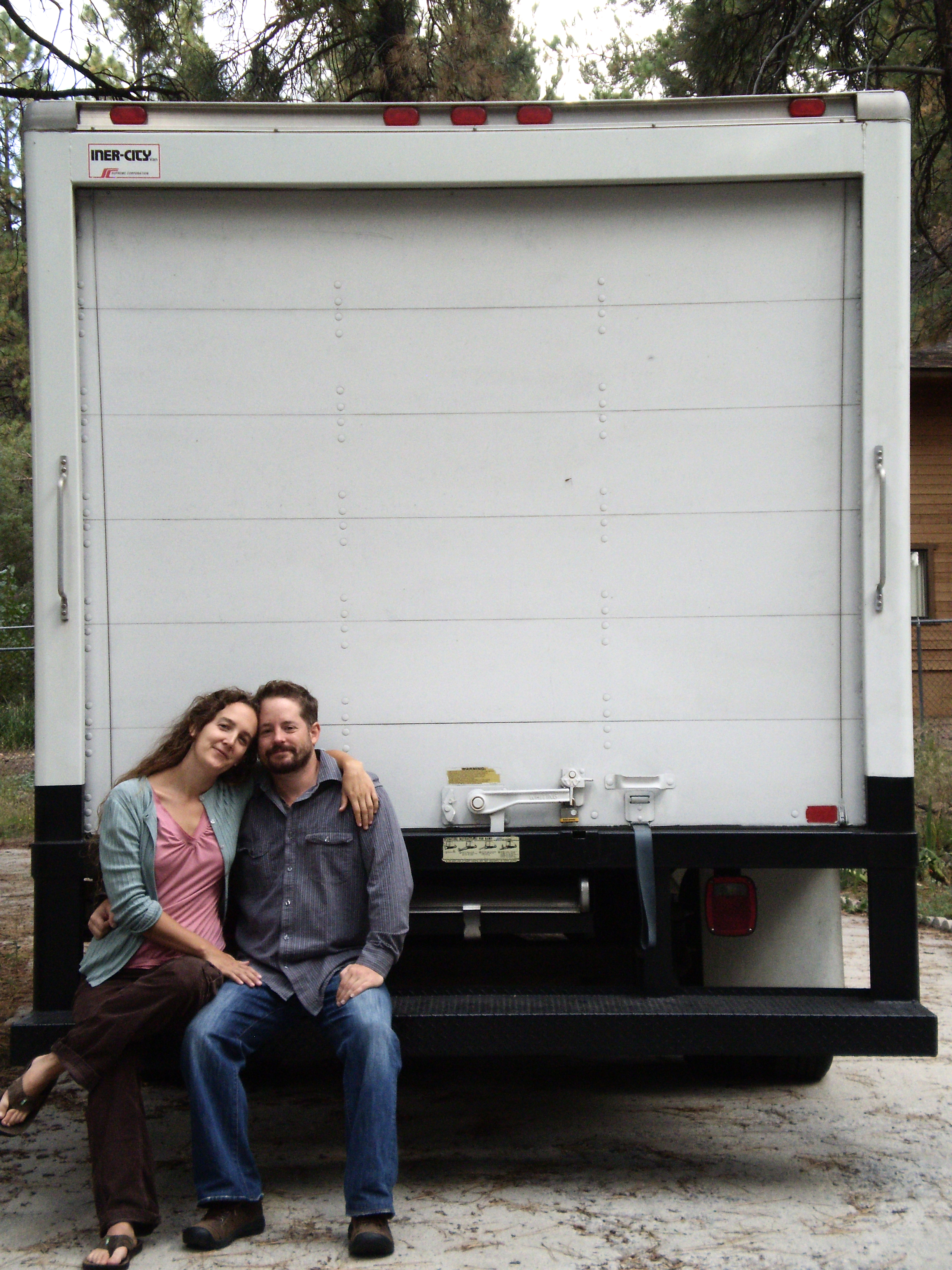
 The truck—hauling, transport, mobile studio and camper.

Our time on the road is a mixture of selling work, making new work, and of course the adventures that happen in between.  Most of the selling takes place at the country’s top juried art fairs, and at galleries.  The fairs are competitive events run by neighborhoods and art associations.  Each season it’s a logistical challenge for Bryan to come up with a national tour from the shows and gallery openings he is invited to that will sustain our work.


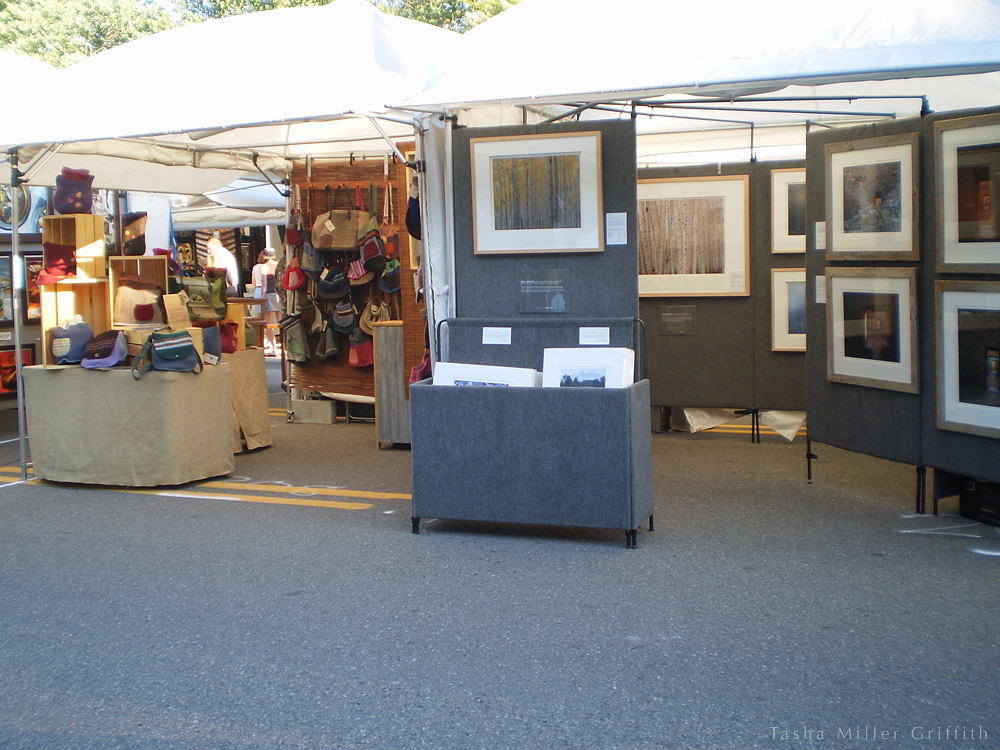
Most of these art fairs take place outdoors.  As well as art and workspace and some regular living stuff, our truck holds a tent and carpeted walls to make a kind of mini-gallery for the photos, which we set up and take down every weekend that we “bring art to the people.”  Dealing with the weather is also a major part of this experience.  I started a list of things never to take for granted, but everything else pales in comparison to the first two items: hot showers and ice.


Wherever we end up, there are usually interesting things to photograph nearby.  It might be a national park, or interesting architecture for the In a Big World Wandering series, or something for an entirely new project.


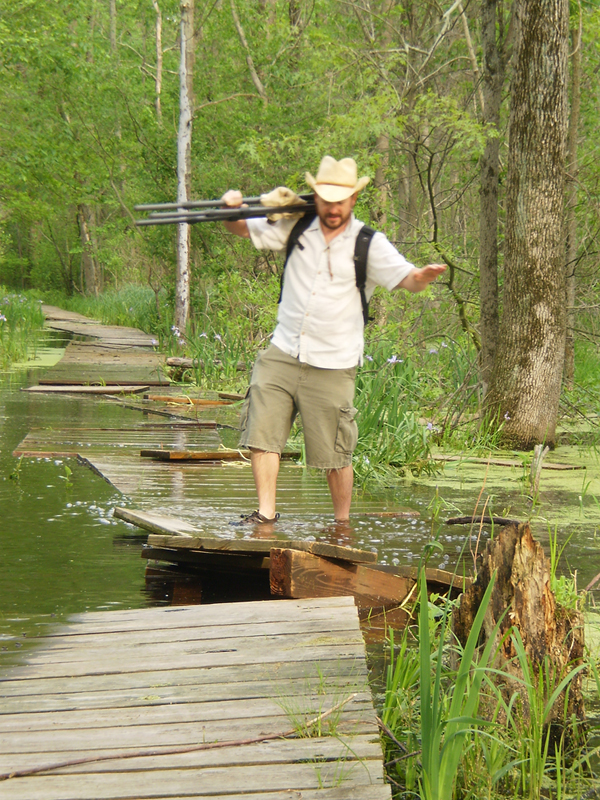
Bryan crossing flooded boardwalk

Don’t worry, he made it to the other side without falling in.


In between selling and shooting photos, we usually either camp out or visit friends and family.  I love camping, staying in beautiful places, and trying out local foods at farm stands and restaurants.  But few things make me more suddenly grateful than arriving at a real house full of friendly faces, running water, a large bed with clean sheets, laundry, and a kitchen, etc.  My fingers start to itch at the thought of real kitchen tools, and we usually end up cooking a lot for whomever we’re staying with, as part of our efforts to at least act like, if not actually be, the world’s best houseguests.  It’s a good survival strategy; we need to make sure we can always come back.


As you might imagine, doing work of my own during this traveling time is . . . difficult.  But I’ve also found that it’s fairly necessary to my happiness.  I’ve tried selling my own work at art fairs, mainly felted handbags (you can see a few of them on Etsy), but that market wasn’t quite right for the things I made.  Along with the usual issues of customers not understanding the cost of handmade goods, plus the physical work to set up an extra display every weekend, it all convinced me that this wasn’t the way to go (at least not with the bags).  I did learn a lot though, about all aspects of running an itty-bitty handmade business, and about myself.  I began to figure out that my passion is really more for empowering other people to become makers than for selling things I make, hence my latest project (and this blog).  Although come fall, I will be making a about a ton of those little fuzzy hats again . . .


booths ann arbor

Left to right: my booth, and Bryan’s.


But back to the road.  Being gone for long stretches, usually months at a time, of course makes me homesick.  I miss my friends, my family, the smell of the pine forest, my studio (especially my studio—the freedom to make pretty much whatever I want, whenever I want to), my kitchen, green chile, good tacos (depending on where in the world we are) . . . but I’m starting to adapt.  At this point, if we stopped traveling, I know I would miss that too.  I’d miss the friends and family scattered around the country that we get to spend time with, the foods we get to eat (yeah, I’m a little obsessed with the food) and the things we discover, especially when we can get off the interstate and explore.  It’s an amazingly diverse and interesting country out there.


At the end of a mediocre show, we’ll often look at each other and say, “Well, we lived.”  It occurred to me recently that what we mean is not just “we survived” but also “we’re living” in the fullest way, taking advantage of the paths and adventures that are available to us, even though not all of them are good, and testing our limits.  It’s not always fun, pretty much never glamorous, and as a friend who’s taking a sabbatical from art fairs recently put it “a stupid way to make a living.”  And yet, one thing we don’t have to worry about is regret about chances not taken and roads untraveled.  The odd and beautiful parts of life on the road, the magical things that happen when you’re in a strange place at a strange time, are what will keep me coming back, probably for as long as this weird way of life is possible for us.


squonk opera passing

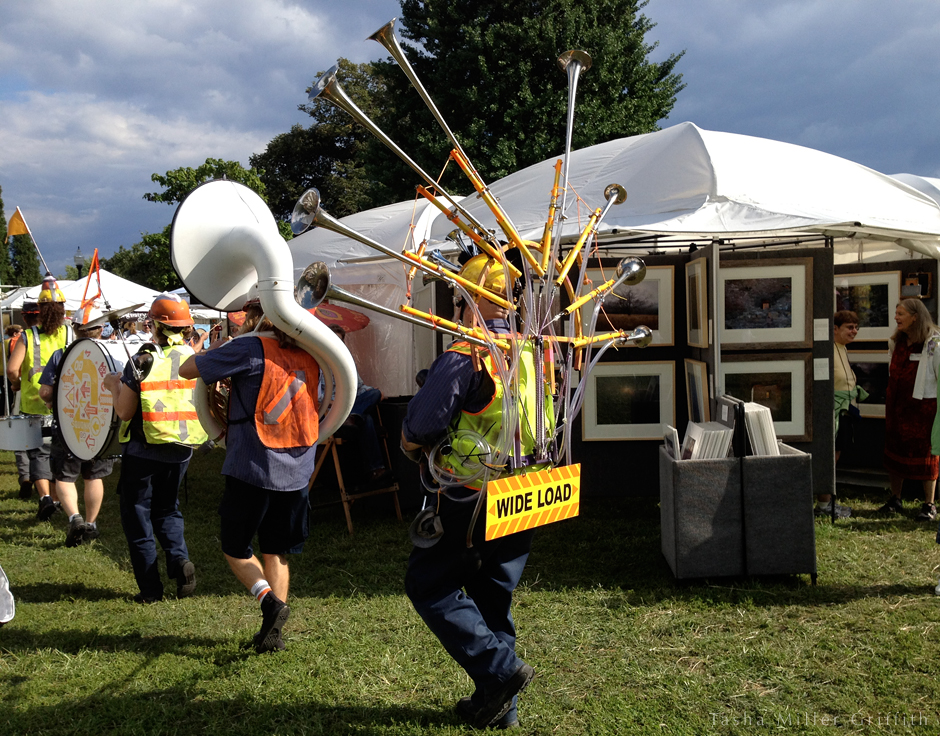
A performance called (I am not making this up) Squonk Opera passing by the booth in Pittsburgh.


Now I feel like maybe I should have written this post right at the beginning, as a brief summary of the state of my recent life . . . but here it is.  This won’t become a blog all about life on the road (that’s not my thing), but I would like to bring up a few other ways that my own goals and work intersect our travels, and hopefully after this it will make more sense.  What about you, any thoughts about travel/work/life?


Blueberry Picking, Blueberry Pie


blueberry picking 1


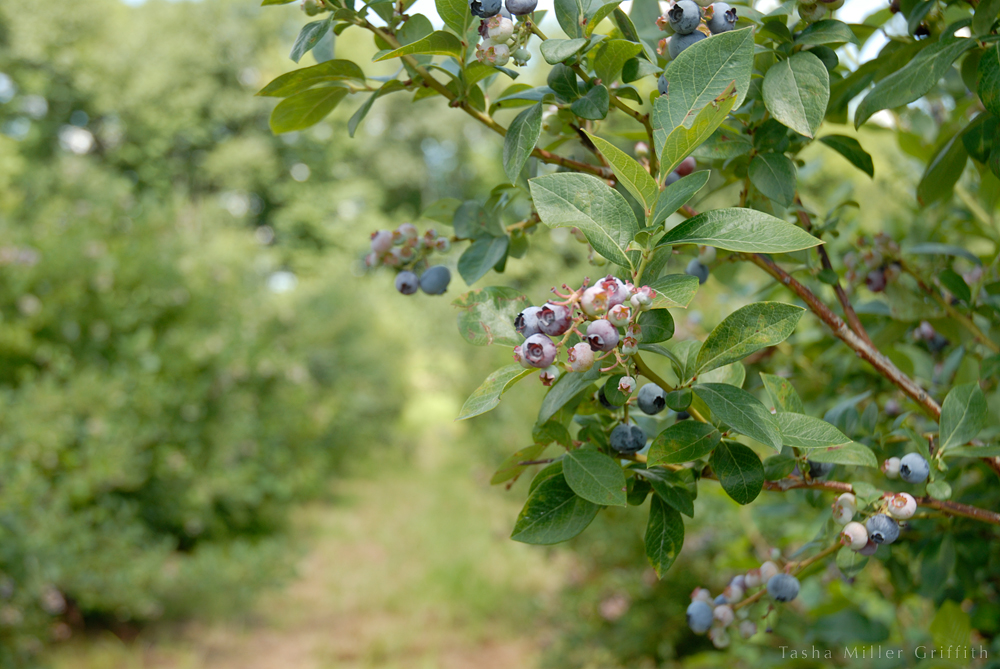
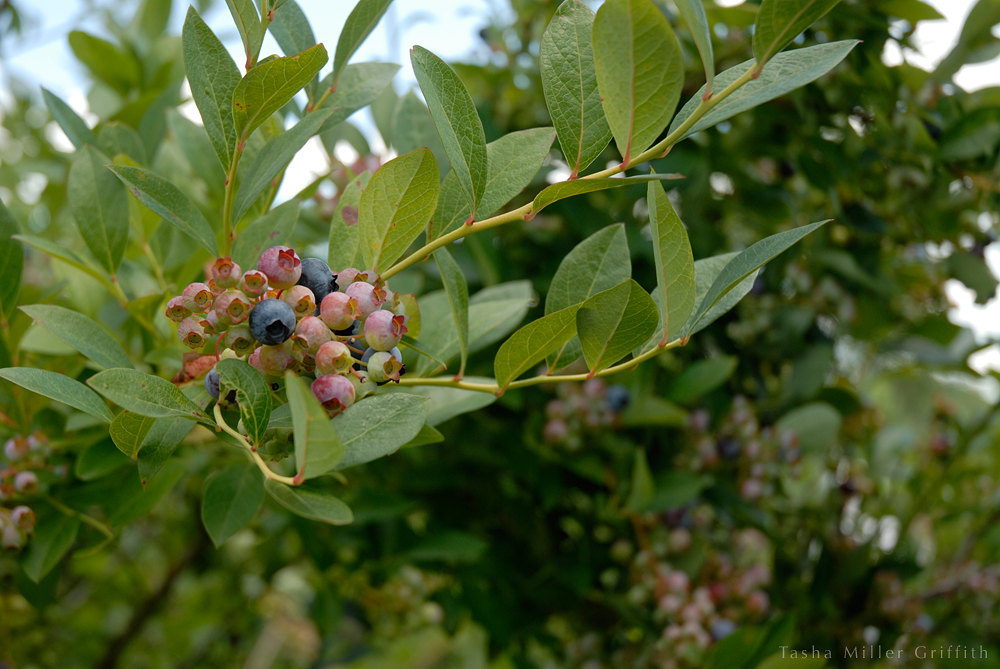
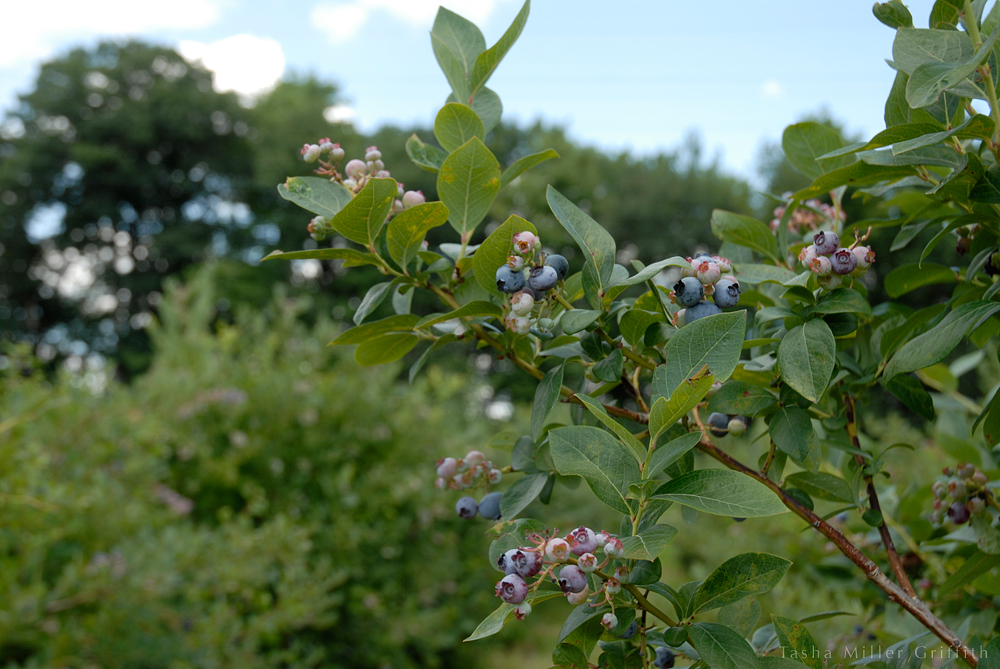
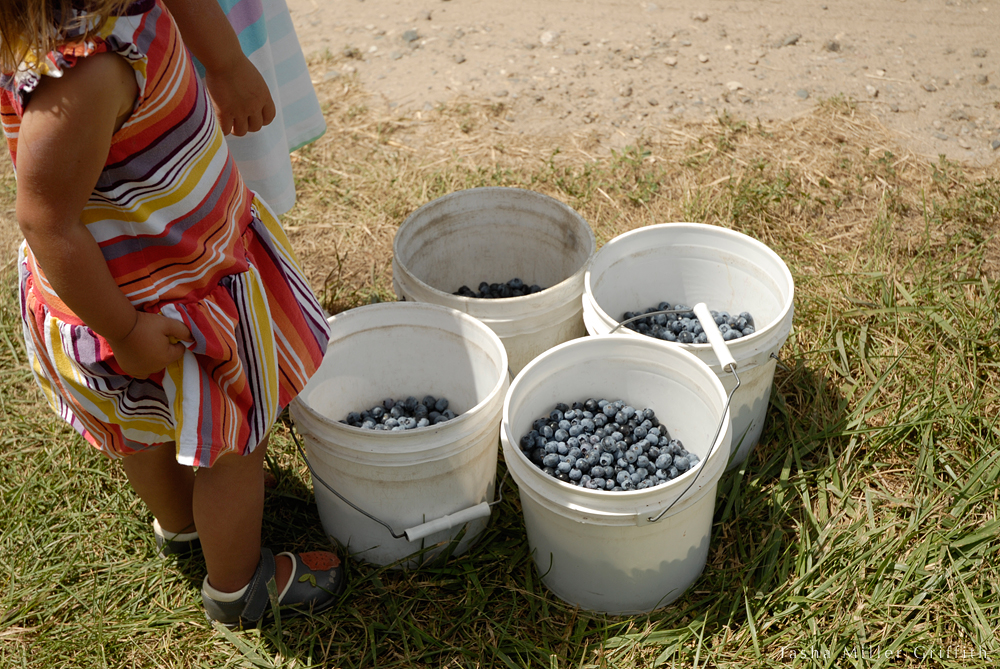
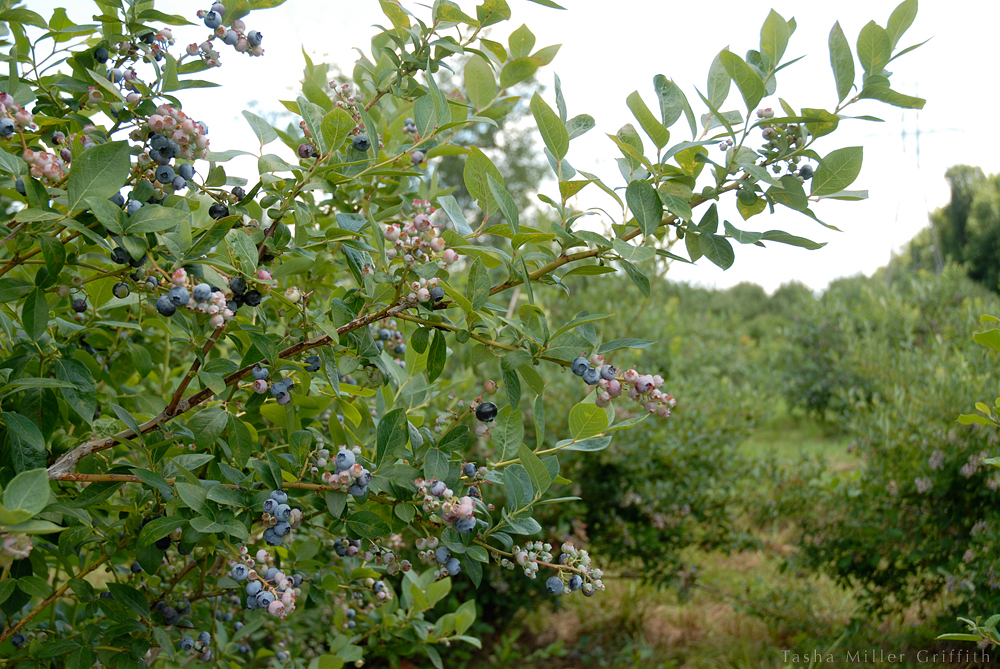
I want to get this out there while there are still blueberries on the bushes.  A couple of weeks ago, we went blueberry picking with my husband’s father, sister, and our two little nieces, at Versluis Orchards near Grand Rapids, MI.  The pictures pretty much tell the rest of the story.  The blueberries were gorgeous, as well as delicious, and I found myself picking like mad, but leaving some of the most photogenic branches until the clouds cooperated for good lighting.  At which point I’d grab my camera, and (with a pang for the blueberries not filling my bucket during the moments of shooting) do my best to capture the lovely morsels, in all their shades from translucent green to lavender blue.  Then I’d force myself to grab the ripest ones from the shot and drop them in the bucket.


blueberry picking 2


blueberry picking 3


blueberry picking 4


Even with two youngsters in tow, we managed to pick a LOT of berries, about 10 pounds between us all.  They were astoundingly cheap compared to what you would pay at the grocery store, or even at a farm stand.  By way of something to think about, I’ll point out that these berries weren’t organic, although they were about as local to our location at the time as you could get.  And totally scrumptious.  There was a good essay on The Yellow House last week about how it’s not as simple as just choosing something labeled “local” or “organic,” and I agree 100%, although I think that either of those, especially local, are a great place to start.  My next step may be to ask more questions of the farmers, find out what are their thoughts about their practices.  I’m pretty shy by nature, but I’ll try to make that happen.


blueberry picking buckets


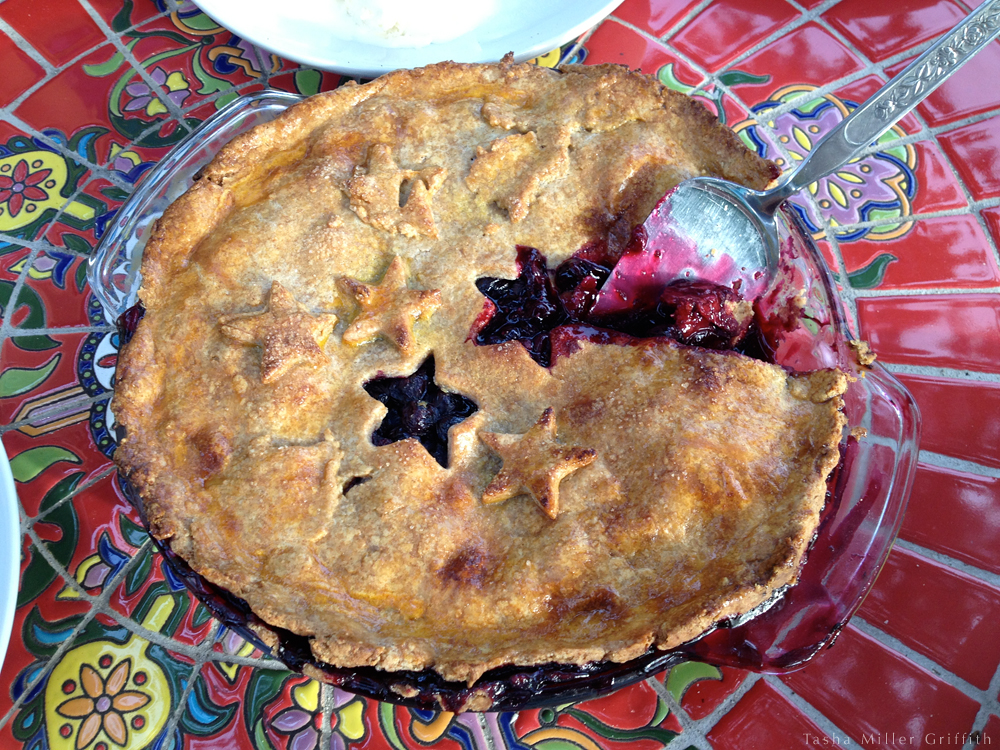
Anyway, there are so many good recipes out there that have blueberries in them (as the older niece pointed out) that it seems almost needless to include one here, but I will anyway.  It’s pretty simple, even if you don’t make pie often and/or have little ones sticking their fingers in your crust, it will turn out fine.  The five of us adults handily polished off the whole pie after dinner . . . it can’t have been that bad.


blueberry pie


Blueberry Pie

(adapted from The Joy of Cooking)


For the crust:

You’ll need 2 1/4 cups of flour.  You can vary the percentage of whole wheat flour up to 100%, which is my personal favorite.  Since there were kids who might eat this pie too, I used 1 cup whole wheat, 1 1/4 white flour.

Put the flour in a bowl and add 1 tsp salt and 1 tsp sugar

Take 1 stick unsalted butter, cold from the fridge.  Cut it into pieces of about 1 tablespoon each.  You want to mix it into the flour so that tiny chunks of butter remain throughout the dough, without letting it melt or blend into the flour too much.  If you have a pastry blender, use it.  If not, my still-favorite method, especially if it’s not too hot in the kitchen, is to use my fingers to break up the butter into the four.  You can also use two knives, I have never gotten the hang of this, but one of my aunts is really good at it.  In any case, when you’re done, there should be some pea-sized chunks, as well as some dough with the texture of coarse cornmeal.

Put some ice and water into one of the measuring cups you’ve already used, and pour a little bit if it onto the butter and flour.  Start with just a few tablespoons, and mix it gently in.  You want just enough water that the dough will form a tidy ball and not look too dry.  Mix in just a little more ice water at a time until it looks good to you.  How much you need varies with the humidity, the kind of flour you use, etc.  When the dough is moist enough, divide it into two pieces, roughly round-shaped, and either cover the bowl or transfer the dough to an air-tight container.  Put it in the fridge to rest for about 1/2 hour.


In the meantime, place a rack below the center of the oven, preheat the oven to 400° F, and make the filling:

Rinse 5 heaping cups of blueberries.  A good method to separate any debris from the berries is to put them in a bowl, fill it with water, and stir until the debris floats to the top and you can pour it off.

Pour off all the water, and add to the bowl with the berries:

3/4 cup sugar (I like turbinado or natural sugar, a hint of brown sugar flavor is really nice with the berries)

3 Tablespoons cornstarch

1 Tablespoon lemon juice (you can add some lemon zest as well if your lemon isn’t sprayed and waxed)

Mix all this together and let stand for about 15 minutes.

Roll out one half of the crust into as good a circle shape as you manage, about 1/4 inch thick.  Put that half into an 9-inch pie pan, pressing it against the bottom and sides.  Use any pieces that stick out over the edge to patch any holes or gaps around the edges.

Roll out the second half of the crust.  For fun, instead of cutting a vent for steam, you can cut out shapes with a small cookie cutter before you put the crust on, and use the cut out shapes to decorate your pie (I got this lovely idea from my friend Megan years ago—thank you!).

Pour the filling into the bottom crust, put the top crust over it, and pinch the two crusts together around the edges.  Again, you can use any overhanging bits to patch holes.

To get your cookie cutter shapes to stick, and also to give your crust a little bit more deliciousness, you can glaze the crust with 1 egg yolk whisked with a little water.  If you can’t foresee using the egg white for anything (throwing it into an omelet, pancake batter, etc.) you can use the whole egg, the egg wash will be thicker.  Anyway, brush the egg wash all over the top crust with a pastry brush.  Stick your extra cookie cutter shapes on top, and brush more glaze over them.  Sprinkle a bit of sugar (the large crystal kind is nice, but regular granulated sugar works fine) on the glaze to give the crust a little more sparkle for your eyes and your mouth.

Bake the pie at 400° for 30 minutes.  Put a cookie sheet underneath to catch bubbling juice, lower the temperature to 350° and bake for another 20 to 30 minutes, until thick juices are bubbling through the holes and the crust is a warm brown all over, and darker in places.  If the crust starts to get too brown before the pie is done, you can try covering the whole thing or just the edges with aluminum foil.

Do you have a favorite blueberry recipe?  I’d love to know!


blueberry picking 5


Repairing a Backpack


mending backpack 1


This spring, when I fixed this jacket for my dad, I got an unexpected bonus.  Every time I saw him wearing it (which was quite often, it’s his favorite for cool windy days) my heart would warm with a soft fuzzy glow.  Here was my dad, who I love dearly, so pleased with his jacket and so obviously getting good use out of it, both of those all the more so since I had fixed the zipper and the tearing pockets.  It’s hard to describe actually— it seems at the same time obvious and silly— but I’m telling you, every single time I saw him in the jacket I would get a moment of happiness.


mending backpack 2


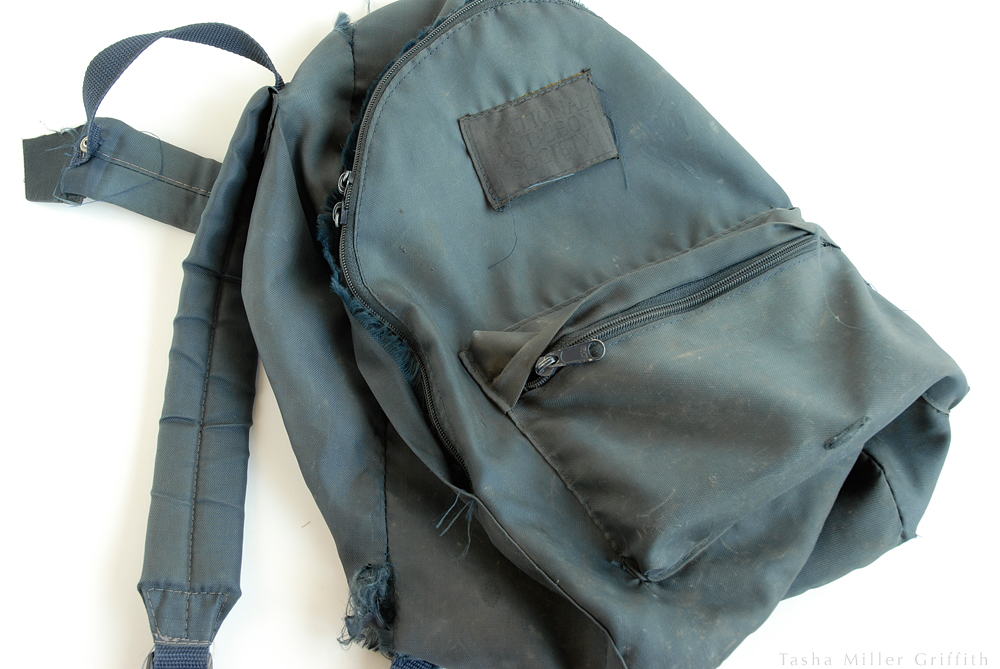
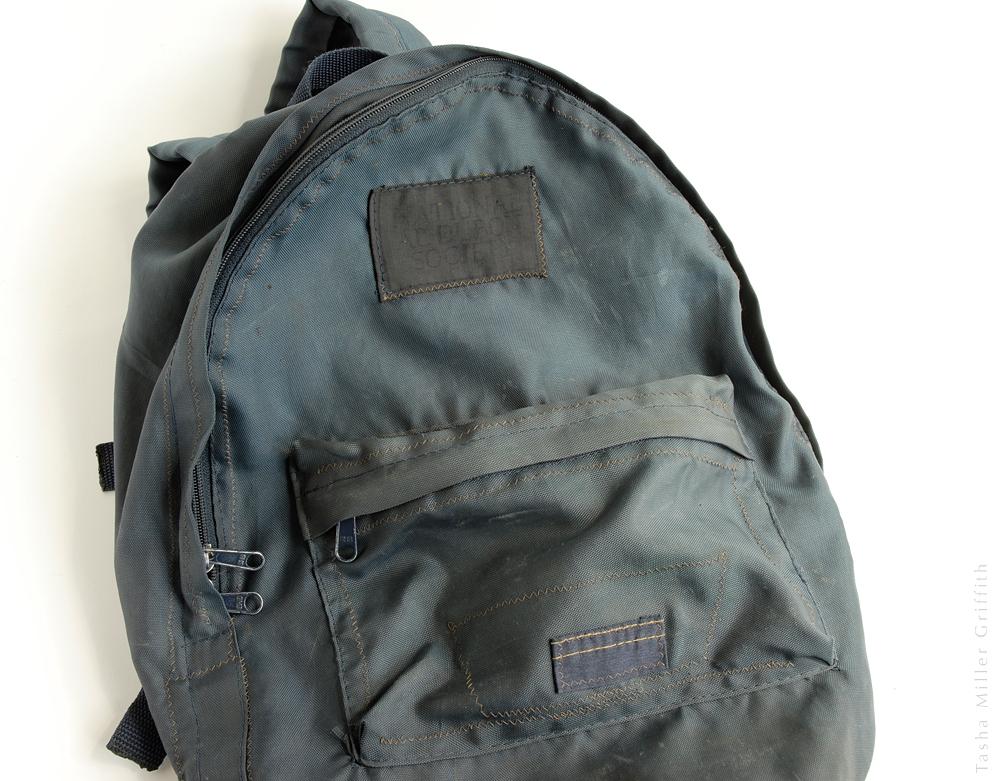
So, the obvious thing to do was to mend something else of his, and the standout candidate was this backpack.  He’s had it since, I don’t know, around the time I was born maybe?  And he still takes it out into the field on weekly basis.  (Maybe I should explain that Dad is a fairly recently retired wildlife biologist, who now gets to spend more time outside with his pet projects than he did while he was working.  Objects, which are part of his field gear and/or live in his pickup truck, do not lead an easy life.)  And I have a serious soft spot for things that have far outlasted their expected usefulness—this clearly qualified.


Another (non-sentimental) reason I was all up for fixing rather than replacing this pack is that the zippers still work!  I asked Dad if they did, and he said “kind of,” which turned out to mean that the only thing holding them back was the amount of frayed nylon threads stuck in the teeth.  Amazing.  The first thing I did was to turn under and sew down the raw edge of the flap covering the zipper, which had pulled out of its original stitching long ago and was the main source of the zipper-clogging threads.  I pulled the threads from the zipper using my fingers, a tweezers, and a scissors for stubborn parts, alternately zipping and unzipping it until they were just about all gone.  I also went kind of nuts zigzagging over any and all seam allowances and raw edges I could reach inside the pack with my machine, trying to keep future fraying and loose threads to an absolute minimum, since after all, this backpack has to be ready for another 30-odd years of use.


mending backpack 4


The bigger holes I patched inside and out, to reinforce them, and again to keep all raw edges inside so they wouldn’t unravel any further.  The worst hole was where one strap had pulled out of the body of the pack.  That one had allowed Dad’s not-so-small camera to fall out of the pack—that was the last straw for him to hand it over so I could fix it.  After patching that hole on both sides, I sewed a big X through the strap webbing and the new fabric, which ought to hold it.  I also reinforced the other strap with similar stitching.


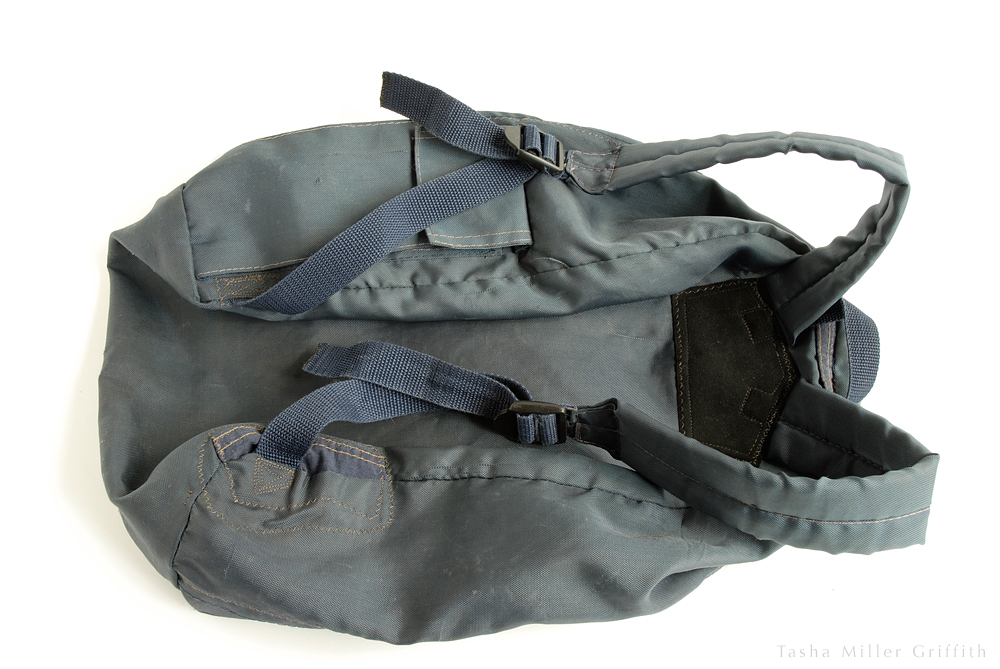
The only part I have a doubt about, is where one strap had pulled off at the point where it’s anchored to the top of the pack.  I added new fabric on both sides of the whole area where the straps attach (the one you see on the outside is black faux suede), and stitched around the whole thing as best I could.  But, there is an old rivet in there that had pulled out.  I couldn’t stitch as close to it as I would like, and I thought pulling it off completely would weaken the strap too much.  At least I will be around to see how it holds up, and make future repairs if necessary!


mending backpack 3


Hopefully you don’t need any more encouragement than the above story to get out there and fix something for someone you love.  It doesn’t have to be sewing, use whatever skills you have.  And if you have any questions about needle-and-thread mending, let me know, I’ll be happy to help if I can.