A Failed Attempt


It’s so tempting for our online lives to show only the bright side; just our beautiful finished projects (neatly ironed), our best ideas translated fluidly into tangible objects. I’ve definitely swept my share of failed makes under the rug, never to see the digital light of day. And actually I think that’s fine too—some things we learn from, and some we just don’t want to talk about. I’m going to talk a little bit about this one though, and see how it goes.
 

failed refashioned sweater 2


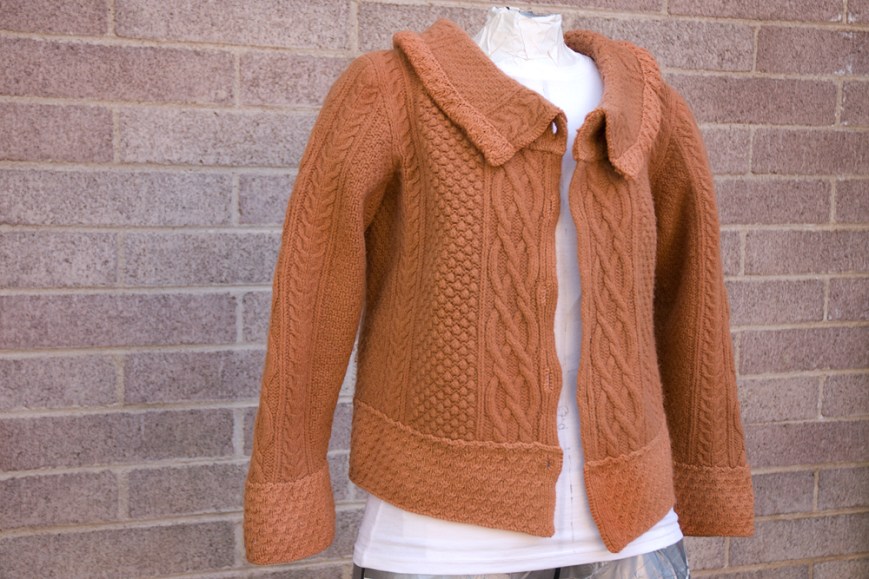
I had so many reasons to love this sweater and try to save it. My mom knit it for my grandma, and after my grandma passed on I took it, thinking I could turn it into something I would wear. It started out as your classic grandma Aran cardigan; white and long and covered in cables and textures, slightly too big for me, with a high neckline and little pearly buttons. Although I’m sure it could have fit right into some people’s wardrobes with minor adjustments, it made me look ridiculous. Maybe I should have stopped right there, but I have a lot of faith that things can be refashioned to work in a new wardrobe (built on a solid foundation of makes that have worked out).

My first attempt to refashion the sweater was a few years ago, and included: shrinking/felting it slightly, dyeing it with tea, widening the neckline, and knitting new bands for the bottom and cuffs. It was a fair amount of effort, and I still didn’t wear it much. It felt strange, and the strain on the neckline proved too much, the yarn started to pop in several places. Not sure what to do next, I put it in a plastic bin in the garage, and there it sat, occasionally nagging at the back of my mind.

I got it out again last fall at the start of Slow Fashion October. What could be a more appropriate project? And I had a plan, in several steps, thought out beforehand, which looked good in my head. I trust those plans and my ability to envision how they will come out.

I dyed more yarn and ribbon in tea. I stitched the ribbon in to reinforce the neckline. I shorted the body and used the extra to add a collar onto the (ridiculously wide) neck. I figured out what stitch pattern I had used before, and knit another piece for the collar, and then another one because the first one didn’t work (actually I think there were three attempts at the collar). I wasn’t convinced it was great, but I also wasn’t able to take a step back from all I had invested, and I went ahead and overdyed the whole thing  with madder, hoping for some kind of warm soft brown. It came out, well, salmon, and that’s when I was forced to take a step back.

It wasn’t just the color, it was the spottiness of the color that really got me down. I knew this could be an issue dyeing garments (even though I haven’t had many problems using tea) and I had tried to strategize against splotches, but evidently not well enough. On top of all that, it was inescapably not my style—particularly that blasted collar.
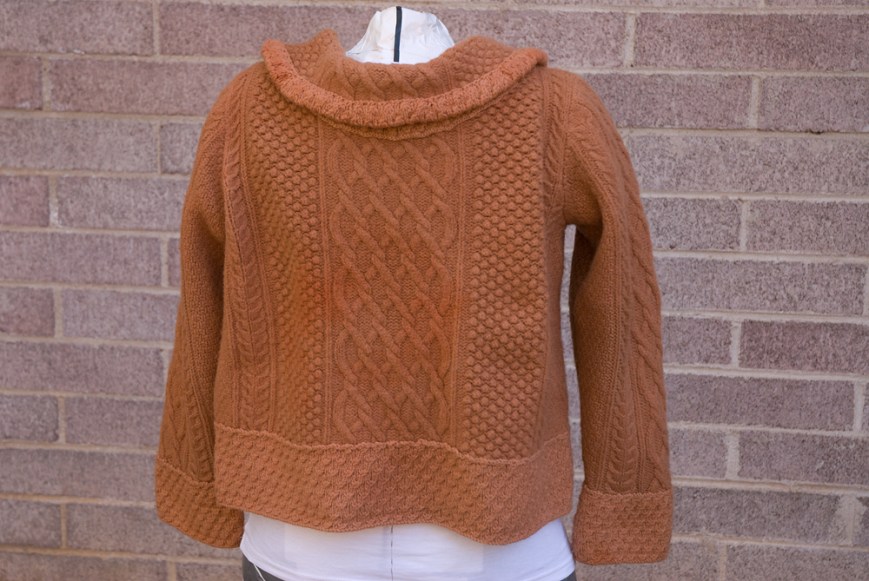
 

failed refashioned sweater 3


I put it down, knowing it was no good, but not emotionally ready to let it go. It’s been a while since I had a downright project failure, particularly of something that I put this much effort and planning into. I still have plenty of “um, well, I won’t do that again,” learning moments, but at this point in my creating life, the results are usually fixable, or cause just a minor inconvenience in the finished garment. I had kind of forgotten what it feels like to have to give up completely on something that I’d worked so hard on, and how it takes the wind out of your making sails for a while. I definitely felt a little intimidated to start another project after this one.

The best silver lining I can come up with so far is this: that remembering this feeling is good for me as a teacher, in the same way that remembering what it’s like to be a beginner is good for me. There’s one big difference though: being a beginner is super fun if you have confidence you’ll get there in the end, but making a failed project is still no fun at all. I do know that my present confidence and skill is built on a whole bunch of projects that didn’t go very well (to one degree or another). And I’ve reminded myself that no time is ever wasted, as long as you’re making and learning, and enjoying the process. I just finished reading Big Magic by Elizabeth Gilbert, and one of my favorite things about that book is how much she is reassuringly down-to-earth about stuff like this: everyone fails, everyone has droughts of creativity, and crises of confidence (even highly successful authors). What makes the difference is whether we can use the good parts of a bad experience to move forward, or we get so bogged down in the bad parts that we give up on this path entirely and look for another one.

Needless to say, one crummy sweater will not derail me from the path of any of the fiber arts I love. Thinking about this one still stings a bit, mostly because I can still see the potential in some parts of it … but I’ve accepted that I cannot make it into what I want, and I’m ready to put it in the charity pile, and let it go to meet its future, which whatever that may be, is not my responsibility any more. It took a couple months of the sweater sitting in the corner in our bedroom for me to get to this point. To tell the truth I think, with the benefit of a little hindsight, that the whole second attempt was doomed, because the neckline from the first attempt was beyond saving.

But now, I’m ready to take what I learned, leave the sweater behind, and move on. I still trust my instincts, and my ability to plan a project in my head before I start. These skills are built on years of experience, and usually the plan works. Even when it doesn’t, it’s another step moving me forward on a path which I believe in with my whole heart.

 

Reflection with Books


I’ve had some kind of post like this in my head since before the holidays. I’ve been wanting to write about the next stage in my thought process around time and a slow life, as well as to highlight some of the fantastic books I read last year that helped bring me to where I am now. But to tell the truth, I’ve been struggling. My thoughts and plans don’t feel like they’re in any kind of order, and I feel a little lost, like I’m stumbling around in a trackless forest. I’m sure I’ll find my path again, but on the way there, I’ve decided to go ahead and write this post, so I can revisit some of the ideas that spoke to me in 2015, and also move on to other things I have planned for this space.


ABQ winter walk 2015 1

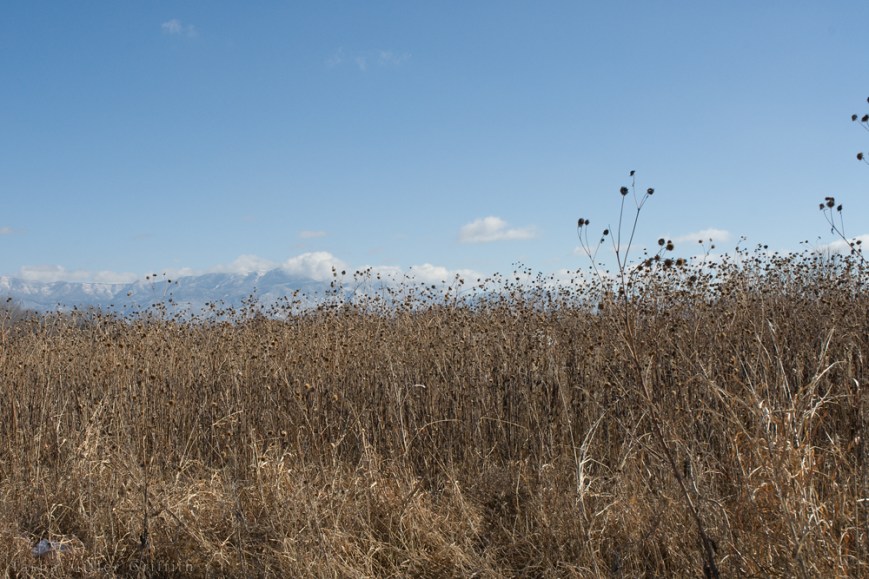
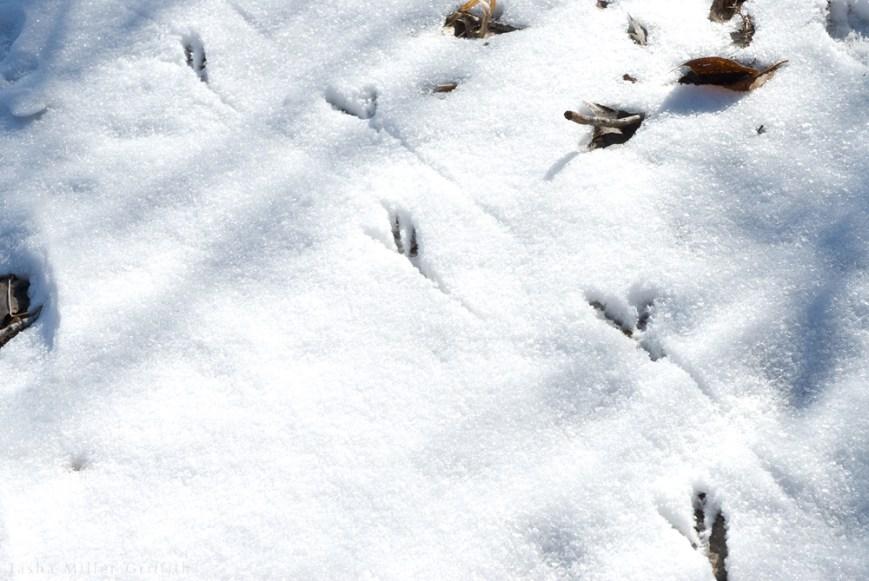
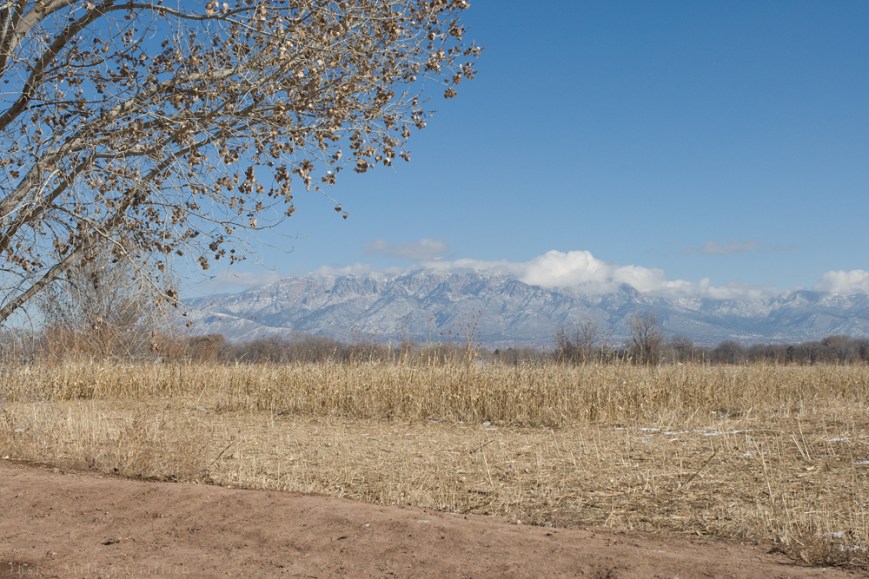
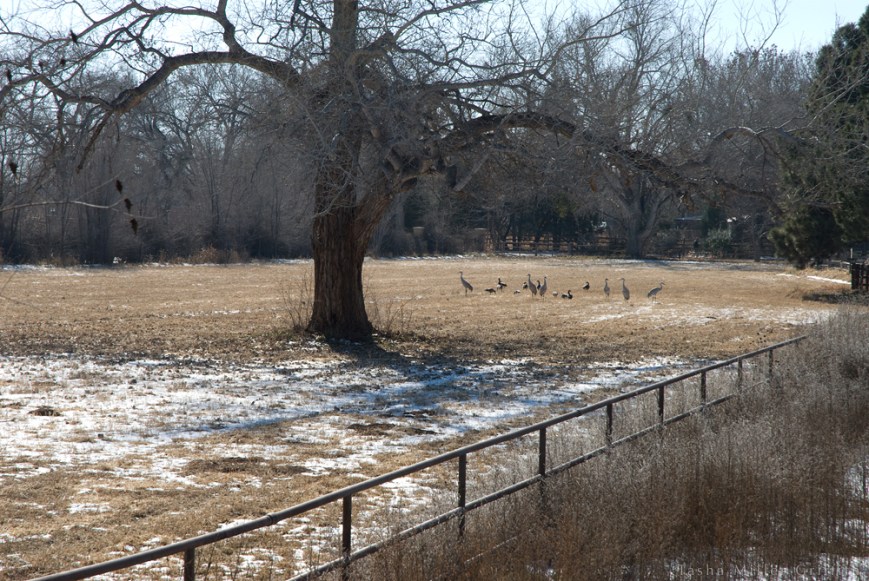
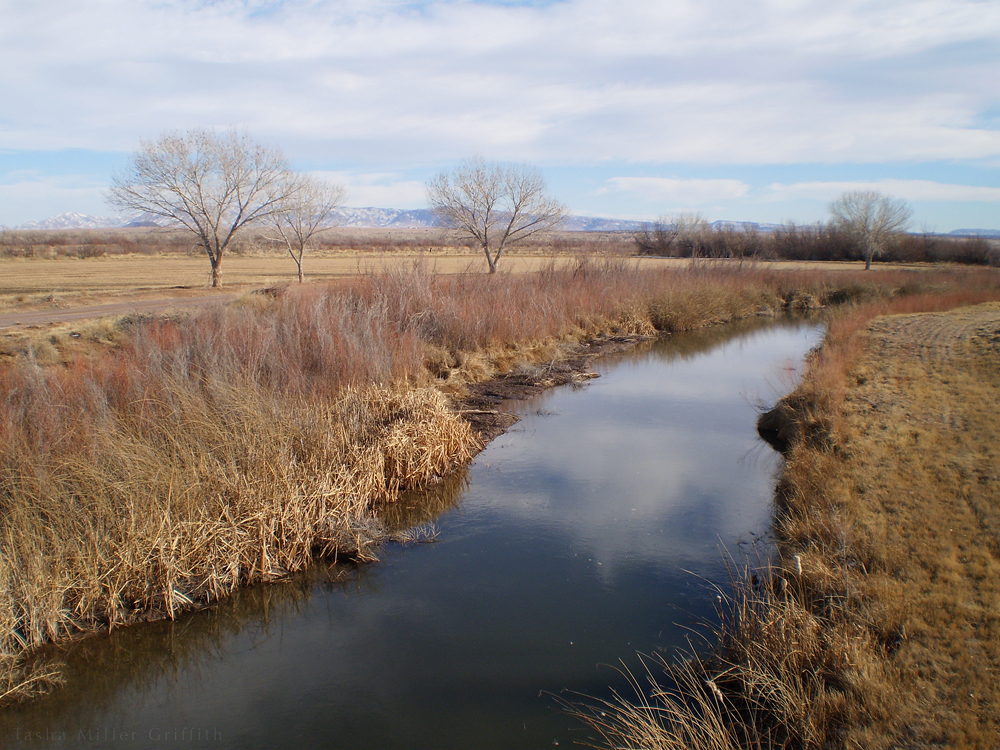
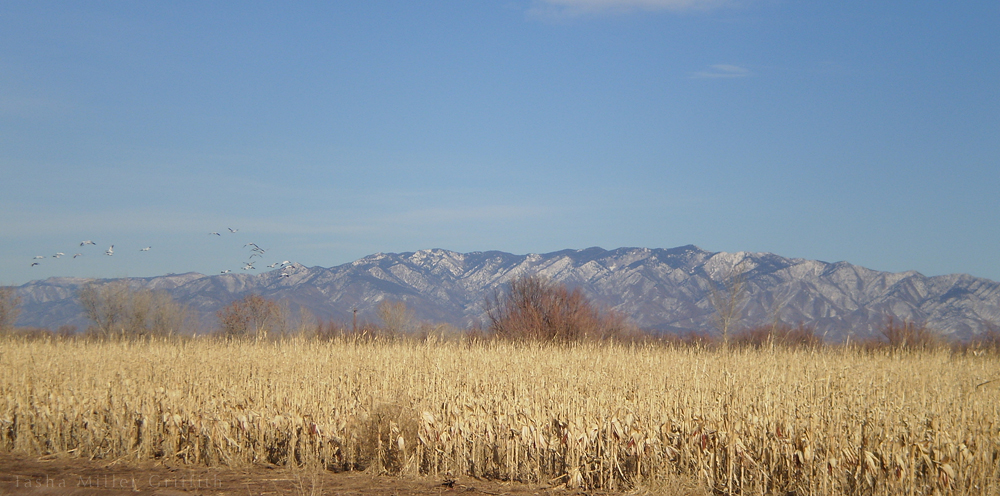
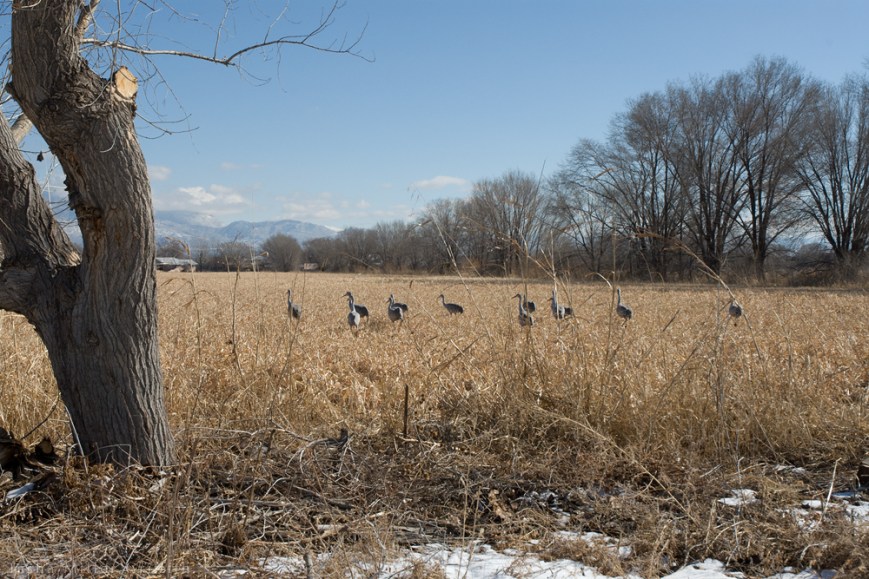
These photos are from a walk during our trip to Albuquerque just before the new year.  I always find the light in NM beautiful, as well as the cranes and geese that come through in the winter.


2015 was a good year for deep thoughts in my world, and it was also a great year for books. I can’t remember another time when a stream of reading material came to me one after another—as gifts, recommendations, and by chance—as if the universe was giving me the reading list for the next stage of my life.

The first of the startlingly appropriate books was Women’s Work: the First 20,000 years by Elizabeth Wayland Barber. I read it as part of my research for that article on wool I wrote for Seamwork (that was the best research project ever in my personal history of research). There were some useful tidbits for the article in there, but what I liked most about this book was how it put “women’s work” throughout the millennia of human history in context, and made me feel connected to all those women who came before me.

At the beginning of the book Barber points out that women didn’t get assigned tasks in societies because they were weaker or inferior to men. Women got tasks like spinning and weaving because those were compatible with also being the primary caretakers of small children—the role of women in every human culture to date, for obvious biological reasons. Even though I don’t have kids, and it’s kind of obvious once you think about it, this was a bit of a revelation. Women’s work isn’t “less than”, it’s part of the set of skills needed to make a society work.

I also love how she talks about hand work and how it relates to society. Quotes like this one really spoke to how I think about my making:

“Working within a quota system of production is not like weaving for oneself. It is no longer fun, nor does the weaver get the benefit of extra effort put in. Mass production is not at all like making single pieces at will; there isn’t time to do a careful job. This economic principle is illustrated many times in history.”

I’ve always thought that feminism should mean we women can pursue what we want to with dignity. Choosing to knit or make jam should be just as valid a choice as welding or practicing science. Ultimately, this book let me feel more comfortable and grounded in my own skin and my own choices. When I spin or sew, I can feel proud of the connection those activities give me to all the women going back in time before me. It’s a great place to start from.


ABQ winter walk 2015 4


Another book that made my rethink my ideas about our society, specifically class and being connected to the land, is The Shepherd’s Life by James Rebanks. For the first half of this book I was incredibly jealous of the author, of the way he always had a place in the world and knew exactly what and where he wanted to be. The freedom we get in many modern societies is truly amazing, but does anyone else lament the amount of angst and flailing around looking for what we’re “meant to do” that comes with it? There are definitely days when I’d trade all this for a place to belong and a clear contribution to make. As his story goes on (I’ll try not to spoil anything) I realized that he too had to coexist with the realities of the modern world, but he finds a way to do so that gives me a lot of hope. The book is full of deep insights from a perspective I don’t often hear, that of someone intimately connected to both the land and the practices of the past. Its deepest impact on me was in how I think about what I really want out of life. I need to be connected and feel like I’m making a difference, and I’m not so sure I need “success” in any sort of modern sense of it. I do want a life that makes me “want for no other” as Rebanks says at the end of the book, and I should seek that kind of satisfaction.


ABQ winter walk 2015 3


“Slow” became a definite theme to my thoughts last year, fueled by another couple of great books. The first one was World Enough and Time: on Creativity and Slowing Down by Christian McEwen. It’s jam-packed with ideas, so much so that I had to go back and sift through the passages I bookmarked in order to figure out what I was really getting from it. It’s difficult to choose which of the many promising insights McEwen includes to share here. One of her biggest themes is that we humans need slowness, rest, and time for contemplation, in order to feel whole and happy. And that we can get those things, we just have to choose to do so.

This is something that’s been at the core of my beliefs for as long as I can remember having some, and it’s wonderful to have it validated by someone who’s clearly done her research: that we can choose to live in the way that seems best to us, that we still have available many of the options of people in previous eras, even if our society at large is moving a different way. After all, if you take a step back, we have just as much time as anyone in the supposedly “slower” past—actually more, since our lifespan continues to increase, and we arguably have more leisure time than ever before (depending on how you define that). Just because a choice is there doesn’t mean it’s easy though, going slower and with more meaning is something we have to do consciously, and follow through on every day. I’m trying. McEwen quotes Howard Zinn:

“To live now as we think human beings should live, in defiance of all the bad around us, is itself a marvelous victory.”

The book is full of quotes, insights, and strategies for anyone who’s thinking about moving slower and more fully in life, and is especially helpful if you also have a creative practice you’d like to nurture.


ABQ winter walk 2015 5


Another person who’s gone to great lengths to re-imagine his relationship with time is William Powers, author of New Slow City. My dad, who worked in wildlife habitat conservation for decades, had an interesting take on this one: that Powers was ignoring the fact that a lot of the calm he seeks he can only find in nature, that maybe he is suffering more from a lack of contact with the natural world than from going too fast. I think Dad has a point, but I also think the two things are intertwined. Powers also has a lot of other good ideas about moving slower, and being less influenced by the craziness of modern life in New York. The thing I liked best about this book is that it’s a chronicle of Powers’ personal experience, so it feels approachable, even if not all of us can afford to cut back drastically on work the way he does at the beginning of the book.


ABQ winter walk 2015 2


One thing that comes up prominently in Powers’ book and in McEwen’s is the damaging influence of advertising. This also strikes at the heart of something I’ve been thinking about for a long time; that the job of this entire industry is to make us feel dissatisfied—the exact opposite of what I personally want out of life. This perpetual dissatisfaction harms us, as well as the environment, by encouraging more and more purchases of disposable stuff. For me, a trip to the thrift store is sometimes enough to start a mental spiral of “I want, I want,” and even “I could make this, I could fix that,” which pushes me out of my slow making mindset and back into the same old place of wishing for more time.

I think I’m looking at it all wrong when that happens, it’s a modern-society habit I just haven’t shaken off yet. What do I want more time for—so that I can make more stuff? Haven’t I already established that I don’t need more stuff? Haven’t I already established that I have the same amount of time as any human being that ever lived, or possibly more? And how did we all decide that keeping a score of things accomplished is the best, maybe even the only, way to judge the quality of a life?

So, I’d like to strive not for more time, but for better time. As McEwen says:

“What matters is not how much [time] they actually have, but how best to inhabit it and make it spacious: how to allow room in which attention can take root.”

I know that when I can drop into “natural time” as Powers calls it, paying attention to just the moment I’m in, I find so many layers of sensory and emotional complexity to be discovered in every single minute, sometimes I’m then amazed that I spend any time at all ignoring all these textures, completely distracted by everything in my own head. The best way I can describe how I get to that slow place (although it sounds a little negative) is to say it’s by not thinking about what’s coming next, not waiting for whatever I’m doing to be over, and not planning for later. What I’m left with is what’s right in front of me.

Which is not to say that I succeed in going slow all the time, far from it (um, especially lately). And even if I could I’m not sure it would work. After all, I need to make plans in order to accomplish things, and once I get into slow mode I have zero interest in planning. I have lots of other questions too. Is there a mode in between “experiencing the moment” and “planning for the future”? Is it possible to send a slow text, or do some activities inherently belong to one realm or the other?


ABQ winter walk 2015 6


There’s also a piece of all this that’s about experiencing what I’m really feeling at a given time. Powers says, “It’s what’s happening to me when I go off the drug of distraction. Sadness has the space to grow …” For me anyway, the part of myself that’s habitually distant developed as a survival mechanism while I was miserable in school as a kid. The real world is infinitely more wonderful to me now than it was then, but that doesn’t, and won’t, mean I never feel sad. And if I’m not distracting myself, then the sadness is right in front of me too. I’m trying to choose this richer experience, both when it’s light and when it’s dark.

I am very much still figuring all of this out. Some days it definitely feels like I haven’t figured anything out at all. But I have real hope that if I keep thinking and writing and trying to move towards what I want out of life, I’ll get there eventually. I’m convinced that I’ve been thinking about time the wrong way. It’s not a thing chasing me down, or a precious commodity to be hoarded, it’s the whole of our experience, an experience we can interact with as we choose.

I’d like to mention one more resource that ties into these thoughts, this interview with the artist Ann Hamilton from On Being. This, recommended to me by my friend Amanda, has got to be one of the five best interviews I’ve ever heard, at least in terms of relating directly to what I’m thinking about, especially time and our relationship to it. They discuss the fact that our sense of time is very malleable in the brain (which I find totally fascinating), as well as making, the creative process, knitting, and other things close to my heart.

I’ll leave you with two more quotes I found relevant.

Powers: “Everything out there on Fifth Avenue was dreamed up by somebody. None of it has to be … we can create something else.”
And McEwen: “For almost all of us, happiness depends enormously on letting go, dropping our own willed insistent management, and opening into a more flexible and spacious, and above all, playful relationship with time.”


Slow — What it Means to me Now


How I think about slowness, and about my life list of things I’d like to make, has changed pretty dramatically lately. I’ve been wanting to talk about it here, and Slow Fashion October has given me the perfect reason.

It started when I learned to spin. Then a little later, I realized how much I really could make, and how little I really needed. That feeling built, fed by the other things I was doing and reading, until the vast universe of possibilities suddenly felt expansive instead of overwhelming.


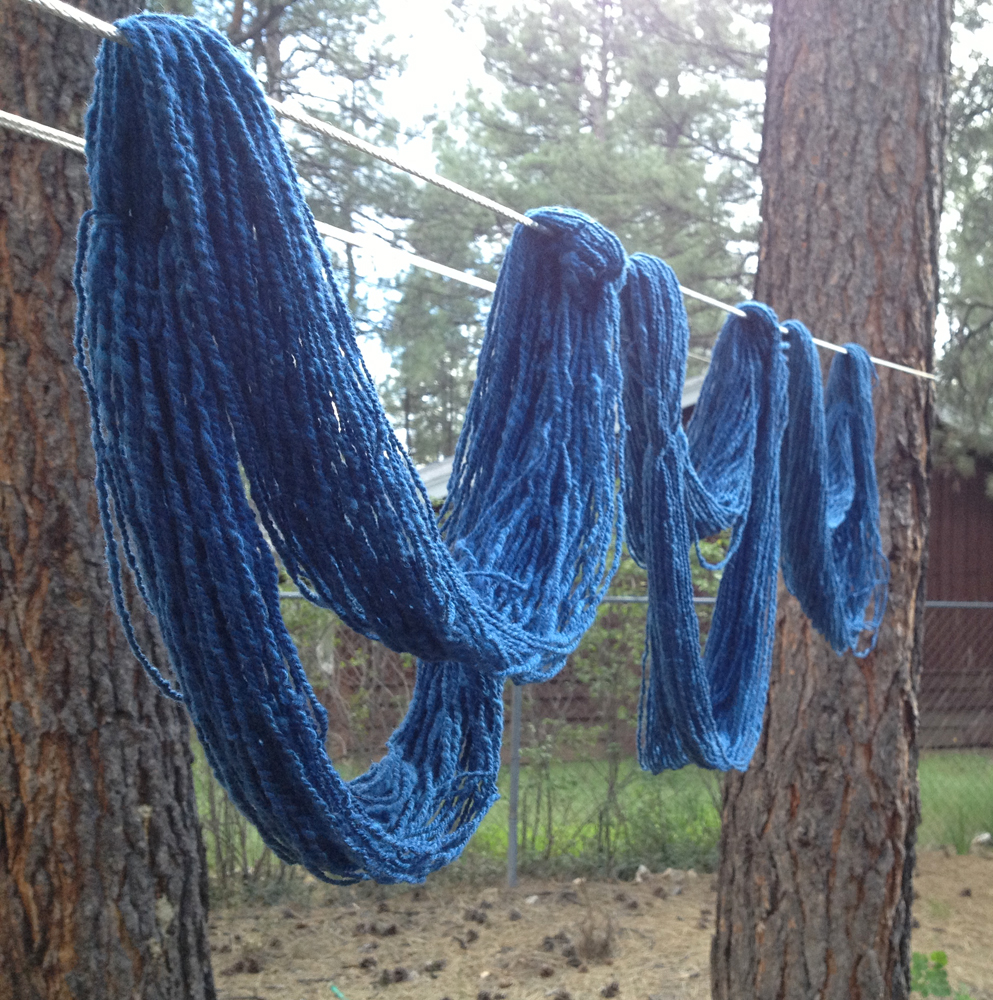
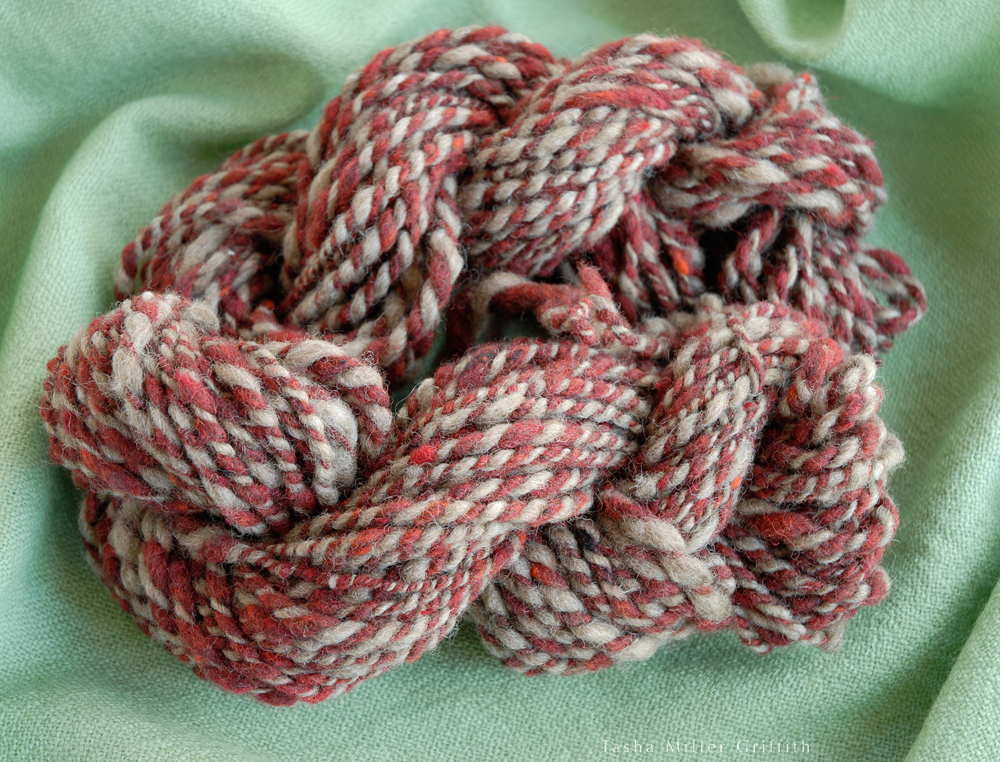
indigo handspunThis is apparently the only picture of my second batch of handspun before knitting.


You wouldn’t think that learning to spin would speed up my knitting, but it kind of did. The two batches of handspun I’ve made so far have gone pretty much straight to the needles, partly because I was so curious to see what I would learn by making something from my own yarn. So one thing was obvious from the start: I can spin all the yarn I need to knit with. In fact, if I spun even a little bit every day, I would end up with much more yarn than I usually consume.


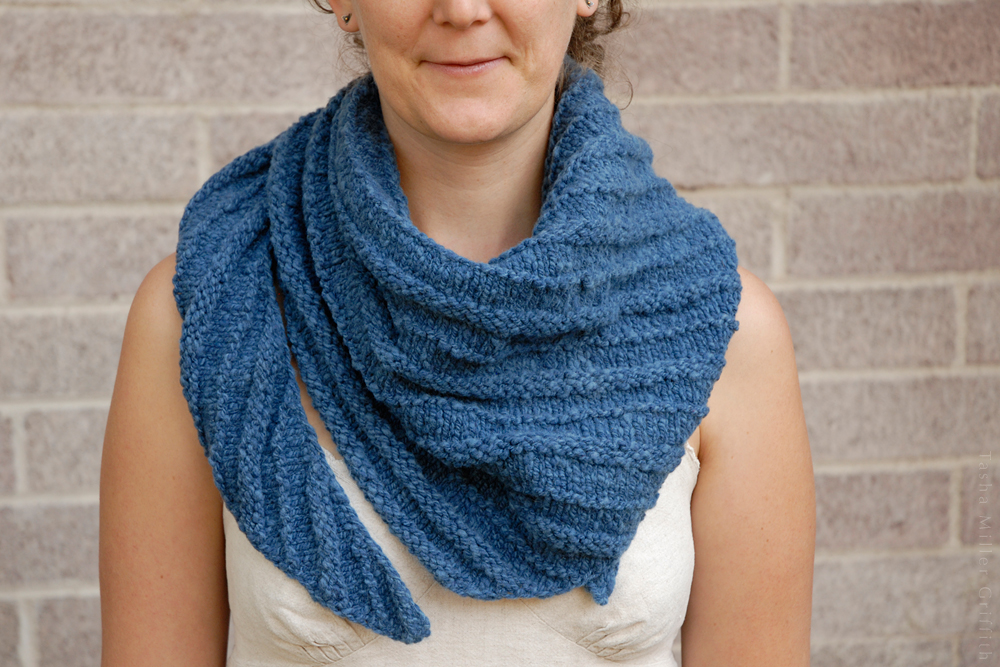
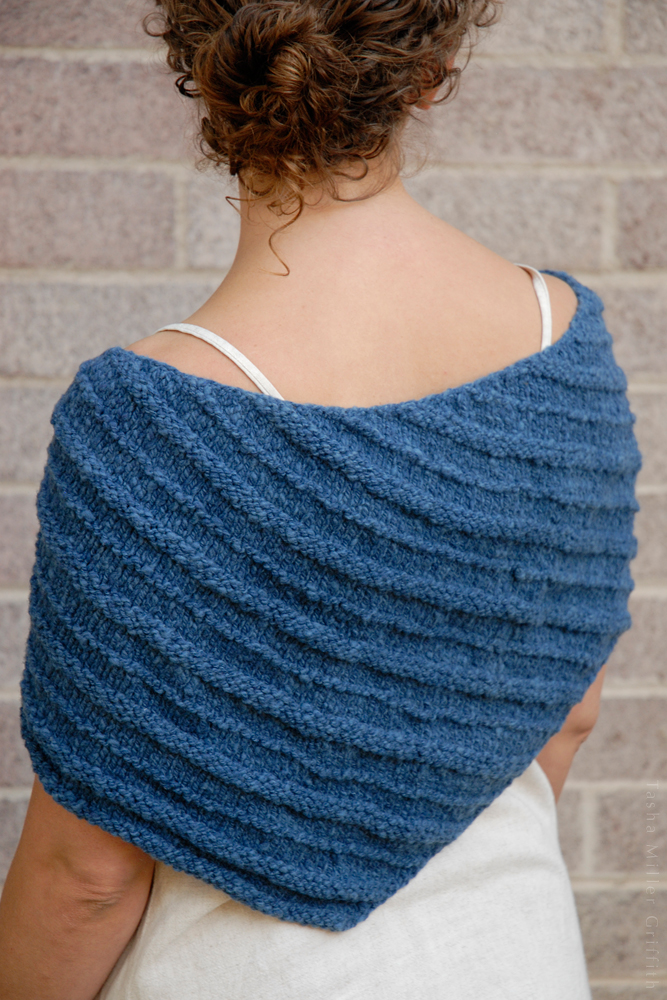
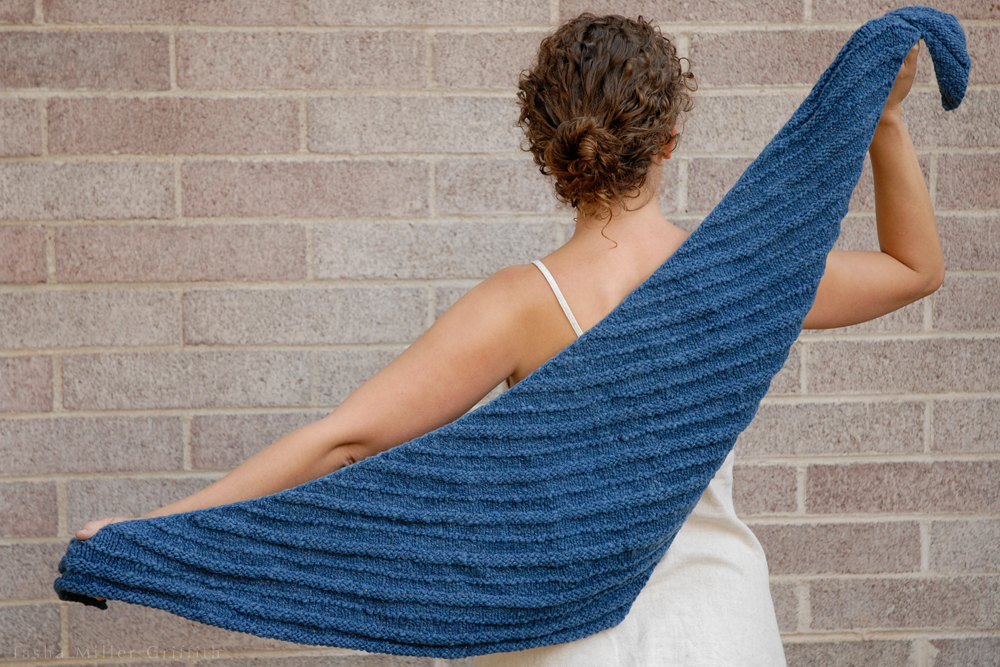
tasha's quaker yarn stretcher 3It became a Quaker Yarn Stretcher Boomerang, a fantastic fit for the yarn.  I’ll post Details are now on Ravelry, but for now I want to focus on the thoughts.


I already have a pair of fingerless gloves, and a pair of dreamy mittens, and that’s really all my hands need. Between (ahem) making them and the ones my grandma wove, I’m approaching more fantastic scarves/shawls than I can actually wear. And then, I can’t imagine I need more than four good sweaters. Actually, my ideal would probably be three sweaters I absolutely love, and one to throw on when the going might get rough. Right now I have the rough one, a thrifted one I think is OK (but Bryan is not a fan of), and some other kind of makeshift stuff. But those got me through all last winter just fine. And my SFO goal is to re-finish one that will hopefully become one of the loved ones. I could make another one next winter or the winter after, and that would be more than fine. There’s actually plenty of time for me to find the perfect fleece, wash it, comb it, spin it …

So need, or maybe it would be more accurate to say lack of need, is a big part of this shift in my head. I find it incredibly helpful and freeing, and it goes something like this: if I already have most of what I really need for this winter, I’m free to spend my time making something really special (no matter how long it takes) or trying something new (ditto).

What I don’t know how to explain (in fact I’m not sure I’m explaining any of this very well) is why spinning in particular set me free from the desire to make all the things, but here I am. Of course, if I didn’t spin it would still be perfectly valid (maybe even more so) to say, “I have the capacity to make so much more than I will ever need.” In fact I think maybe every maker should say this, and see how they feel about it.

I know that time always seems short. I have struggled and struggled with that myself. But I’m coming closer to peace with it, and for me anyway, it doesn’t really have anything to do with productivity, with figuring out how much I can “fit” into a given time, how much I can accomplish or make. Ultimately, a good life isn’t about how much we do. It’s about what we do, what’s memorable, how we shape and enjoy our experiences.


tasha's quaker yarn stretcher 2


In theory when we decide to sew or knit something instead of buying it, we’re taking more time about it and being more thoughtful. But somehow pursuing a craft can also pull us into a spiral of wanting to make more and more, of making something just to finish it and go on to making something else, because we have so many ideas. Thinking about everything I’d like to make leaves me perpetually unsatisfied, as it always must, since I can think of about a dozen new ideas per day. Framing my making around what I need allows most of those ideas to pop up, get admired, and then just float away. Lovely though ideas are, they should not all be added to a perpetually growing list of things I “must” make.

Ironically, giving up on making all my ideas for the realms I usually work in (mainly clothing) may leave me time to take on things in my wildest crafting dreams. Try making shoes? How about a quilt from those passed-down handwoven scraps? Well if I’m content with what I have to wear for the moment, why the f#^k not?!


tasha's quaker yarn stretcher 4


I’ve been thinking a lot lately about all kinds of ideas around slowness. I listened to an interview with William Powers and I’m convinced I need to read his new book New Slow City. One thing he talks about is taking time to fully have an experience, just focusing on what you’re doing instead of already planning the next thing you’re going to do after it. I want to do craft like that. This week, I’ve been in the final stages of refinishing a treadle sewing machine cabinet, a project I have probably a months’ worth of total work hours sunk into. Just doing that, and thinking about nothing but that, running my hands over the velvety smooth wood and mulling over all the steps that got me there, it was so incredibly satisfying. Much more so than finishing four little projects and for each one just thinking “oh good, that’s done,” and moving on.

Letting go of a lot of my ideas does feel like somewhat of a surrender, but it feels like the kind when the heat of the day won’t let up, insects drone on, and finally there is nothing for it but to peel off whatever clothes are handy and throw yourself into the nearest body of cool water. Or the end of a long winter day, when nothing feels better than to pull warm cozy blankets all around you, and let your whole body relax.


tasha's quaker yarn stretcher


So here’s what slow fashion means to me right now: it means I will make just a few things at a time, and I will make them with my whole heart. It means I will allow ideas for things that I don’t need to float away, and concentrate on the projects that mean the most to me and those that will be the most useful. It means I will give myself space to enjoy the processes, the parts that bring me the most joy (like spinning) without worrying about what’s next on the list. And I think it will mean that the more I make in this slow way, the more I will wear my heart on the outside, all over my body.
Anybody else want in? The water’s fine …


Maybe I’m Over It

Over the purple corduroys, the NYC garment district, the whole thing.

I’ve been to New York City twice ever, both times since I’ve had this blog.  Both times I went to the garment district, and I haven’t written a thing about it either time. The first time, a couple of years ago, it was just crazy and overwhelming. We had the truck with us, and let me just say I will never, ever, drive any vehicle to NYC again if I can possibly help it, much less one that qualifies as quasi-commercial and definitely oversize. The truck is fine in Chicago, but as it turns out, not all at fine in New York.


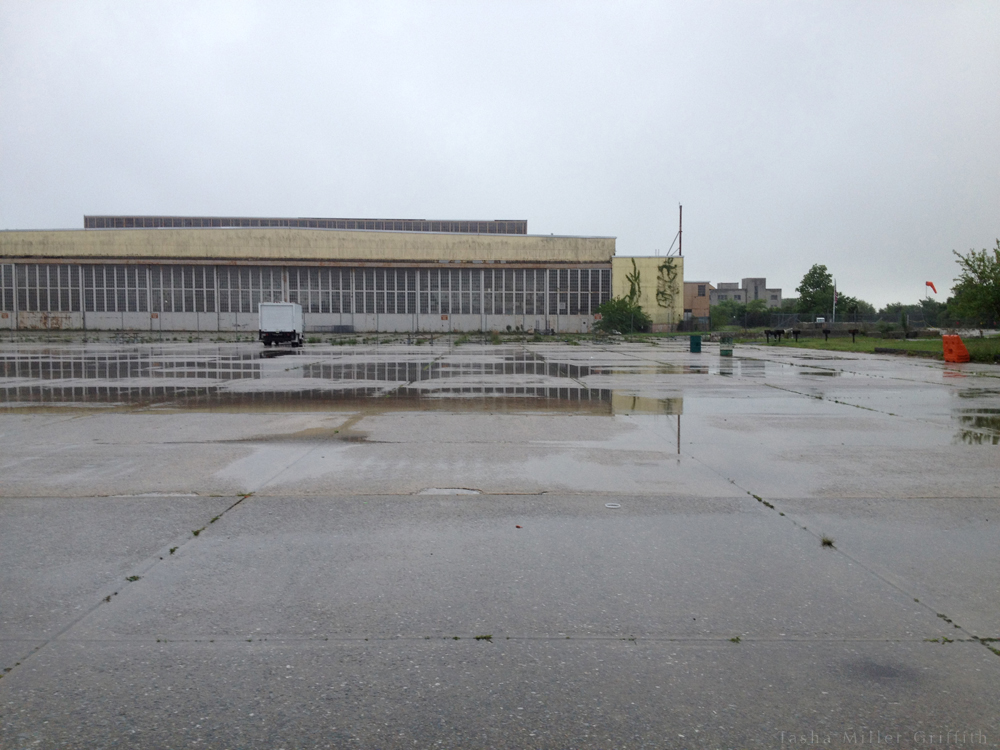
floyd bennett field camping 3Our truck in the parking area for camping at Floyd Bennett Field, by far the most post-apocalyptic National Park Service site I’ve ever been to.  It’s staffed by friendly New Yorkers who, when they find out it’s your first time in the city, will tell you everything, starting with “So there’s five boroughs …” to making sure you have quarters for the bus.  I am not making any of this up!


Anyway, we went to NYC again this past winter, along with traveling to an opening of Bryan’s work at the Griffin Museum of Photography outside Boston. I actually have a dear cousin who lives in Brooklyn, so we made a side trip to go and see her (completely vehicle-free, with only the luggage we could carry). I thought it would be much better and I would love it. It was better without worrying about the truck, but I was still overwhelmed. I’m the kind of person who naturally absorbs most of the stimulus coming at me in a given day, and likes to have a while to process it. There is a whole lot of stimulus coming at you all day, every day in New York—before you even get to the shops full of ceiling-high mounds of fabric in every color.


nyc street view


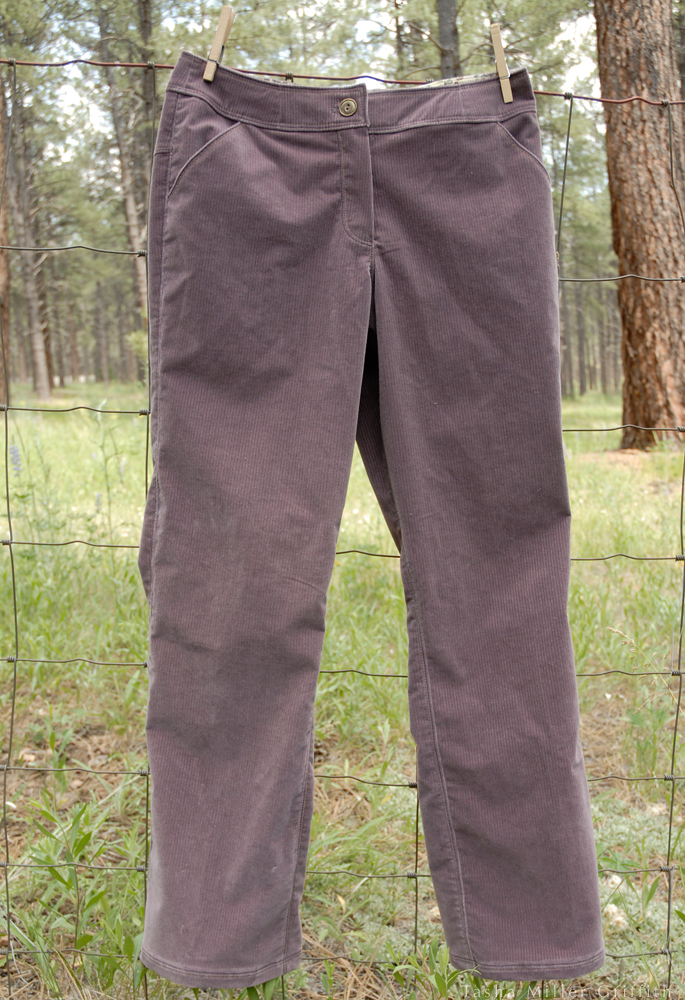
The garment district, while fascinating, is not geared for a thoughtful experience. It’s fast-paced. There are millions of choices packed together, but not a lot of background on any of them (any, really, beyond the fiber content and maybe a country of origin). I’ve tried to be more conscious about my fabric choices for a while now, but I knew I wanted some fabric to make another pair of pants, and it seemed ridiculous to be surrounded by what felt like all the fabric in the entire world, and go home with nothing for my project. So after some debate, I chose something purple and stripey and soft, brought it home, and a couple of months later, cut it out.


over it purple pants 1


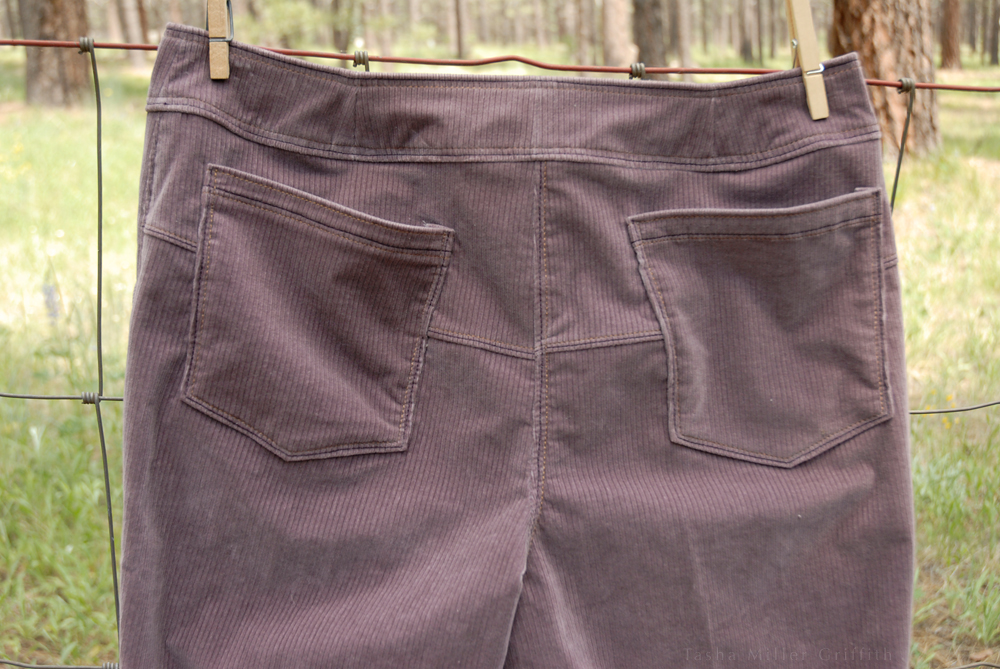
And I got exactly what I deserved for picking fabric I had no background on, no relationship with, and so no idea what to expect—it behaved terribly. There’s some stretch in this stuff, which I’ve avoided in wovens in the past, and I’m going right back to avoiding it like the plague. It kept stretching as I was sewing it, throwing off my alignment and topstitching, moving the pockets around even though I basted them in place, etc. Plus, it’s weirdly clingier around my bum than the non-stretch fabric I’ve used in this pattern before.


over it purple pants 2


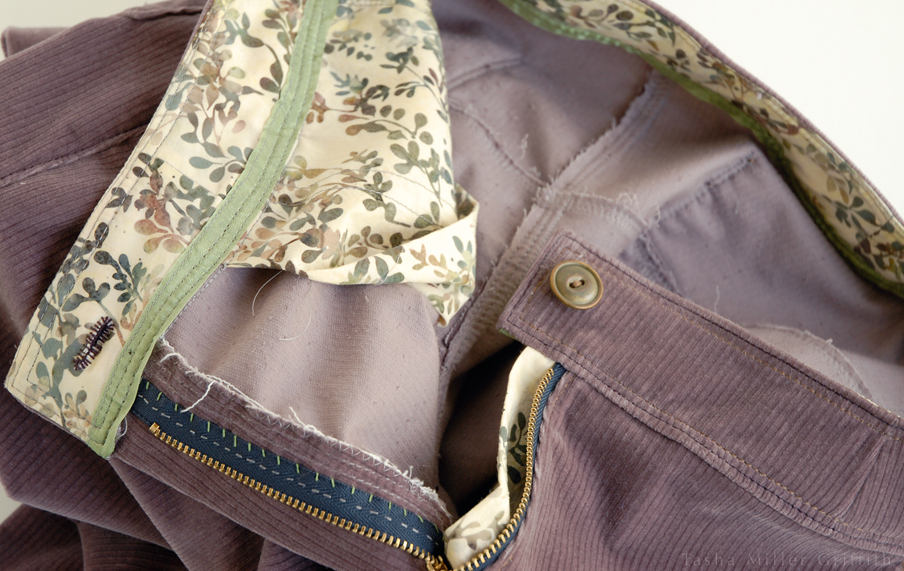
Don’t get me wrong, these aren’t the worst pants ever.  I like the color, and they fit me reasonably well, which is enough to almost certainly ensure they’ll get wear when the weather gets cool again. And, they have the nicest inside waistband and zipper tab of any pants I’ve made so far, so I learned something there.


over it purple pants 3


But, the whole experience just brought home what I hadn’t been able to articulate. In my head, before I went there, the garment district was a mythical paradise of fabric. But it turns out; it’s not my Mecca. It may sound a little blasphemous to say so, but I don’t think the garment district even has the fabric I want. I think I’m over it.

So what, exactly, is the fabric I want, you may reasonably ask? Well, what I really want is unreasonable to ask for in our current culture. I want fabric that not only do I know where it comes from, what labor conditions went into it, and how the fiber was cultivated in the environment where it grows, but I want to feel good about the answers to all those questions. I want to buy some fabric now, see it how it wears, and in 5 years, when I like what I find, buy some more of that exact same fabric. I want fewer, but better choices.


floyd bennett field camping 2


I have tried before to find some fabric closer to these ideals. I went on an online quest for organic wool a couple of winters ago (when I eventually bought this lovely stuff from New Zealand).  I had a few interesting conversations with fabric store owners through email. Mostly what I learned is that they don’t know any more about the origins of their fabrics than I do.  Often times even by writing to their suppliers, the most information we could possibly get was what factory the fabric came from.

At that same time I wrote to Mountain Meadow Wool, an American yarn company I feel really good about supporting, and suggested they think about making some knit fabric out of their American Merino. I got a really nice response back … but since then some blankets and finished knit goods have appeared in their line-up, no fabric yet … I do get it, I see why market research would indicate a much bigger market and profit by skipping the fabric and going right for finished goods.   Imperial Stock Ranch took it one step further and produced a high-fashion collection. But knowing that they are taking high-quality wool, sustainably grown in USA, all the way from sheep to fabric also in-country, and that none of that fabric is available for sewists to buy (that I know of, I’ll write them too, we’ll see)—it makes my fingers itch. I think it’s phenomenal how much single-breed, known-origin, small-farm-type wool yarn is available to knitters right now, and I know there’s a niche for fabrics made from the same materials.

The fabric for my first pair of purple corduroys was organic cotton & hemp, but made in China (under supposedly good working conditions). The biggest problem with it was that it didn’t hold up to wear long enough to be called well-made. How sustainable is anything that has to be replaced every couple of years, or less?

The best news in thinking about all this, is that there are other sewists out there on similar quixotic journeys to find (or make!) sustainable fabrics, and thanks to the magic of the internet, I can find them. And there is a lot going on right now.

I’m throwing my lot in with one Year, one Outfit, a project on this is moonlight to source “fibershed” textiles in your area, and make them into an outfit by the end of the year. Although I may not make a whole outfit by the end of 2015, I’m pledging not to buy any new fabric for (at least) that time, unless it meets (at least!) these minimum requirements: 100% made in the USA, sustainably grown also in USA, and not dyed with synthetic dyes, bleached, or processed in other ways that use toxic chemicals. At the very least, it will be a kick in the bum to do my homework, and some experimenting!


one year one outfit logo


While I’ve been thinking about this, some other thoughtful bloggers have also been researching and sharing around similar topics. This post of Zoe’s about organic cotton and whether it’s really better got me thinking about the fabric I really want to find. The other bloggers in the one Year, one Outfit project have done some good research. Mari’s post about what she’s found available in the Southeastern US was really interesting, and there are people around the world taking part and sharing what they find, there might be someone near you.  Then just the other day, Ginger posted about a designer making sustainable sweater knits available to home sewers! If you’re curious, I also definitely recommend listening to this 2010 interview with Rebecca from the fibershed project, which I also linked to from one Year, one Outfit.

Phew!  So, do you want in on some crazy back-to-basics fabric hunting? Interested in dyeing/printing your own textiles (because I think that’s going to be a big part of it)?  Stay tuned, updates will definitely be coming!


Grateful and Lush

A quick Me-Made-May ’15 wrap-up, plus some totally unrelated spring thoughts and photos …
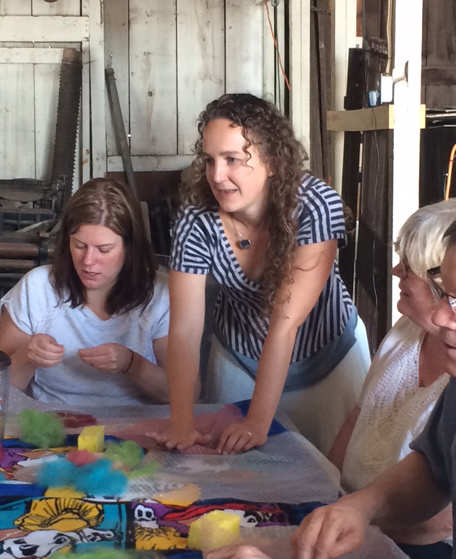
Tasha teaching felting Flag Wool

Photo by Louisa Ballard

This shot of me teaching felting at Flag Wool is the closest thing I have to an outfit photo for the whole month of May! I decided not to worry about documentation for MMM this year, which was mostly a good choice, even though I felt a little more alone in my handmade-wearing.  It was such a busy month in the best way, and I just didn’t need any other thing to try and do every day.  Plus I felt like my best thoughts around a handmade wardrobe happened at the beginning/planning stage this year, and once I set it up I basically dressed like I normally would, except for the items I couldn’t wear because they didn’t fit my pledge, which were quarantined in the back of my closet.  I fell back in love with one old me-made skirt.  And discovered that while I may technically have enough me-made or me-repaired socks to make it through the month, I don’t have the will to keep on top of the laundry so that they’re always clean and ready to go … I also decided that any situation which calls for truly expendable work clothes doesn’t count. I was definitely looking forward the end of my self-imposed restrictions by the end of the month, although I enjoyed the challenge. I have a small wardrobe in any case, so maybe my goal for next year should be to add a few more me-made pieces. Also, I’m going to try harder to come up with some kind of documentation that works for me.
This May we traveled out to the Washington DC area for two art shows, and saw a bunch of friends, which has been part of our May plan for the last few years.  But we were also home more than normal, including for the wool festival here, which was super fun.  I had great students, and enjoyed the vendors (there was some totally beautiful handspun, among other things) and sheep as much as anyone.  I also worked on writing & photographing two new articles for Seamwork while we were back—I can’t say much about them yet, except of course that I’m really excited!  I can’t wait for you all to see them too.

Throughout all of this, I felt like I’d fallen into a pond of gratefulness.  Our trip went well.  Friends and family lent me their tools and knowledge at the exact time I need them.  I had enough me-made/altered/repaired clothes to wear for a whole month.  I was in the home I love, working and learning around things I’m passionate about.  To top it all off, that home was not on fire, or anywhere close to it.  We’ve had an unusually wet spring, and it’s mind blowing to think that just about this time last year our neighborhood was under evacuation orders from the Slide Fire.  (It didn’t get that close in the end, but it was such a scary time).  The forest is so lush right now.  Well, lush for here, a little carpet of green grass and small yellow flowers under the pines.  I tried to take a photo, but it just doesn’t look full of water and life unless you live here … but every time I look out the window I breathe a little sigh of relief.

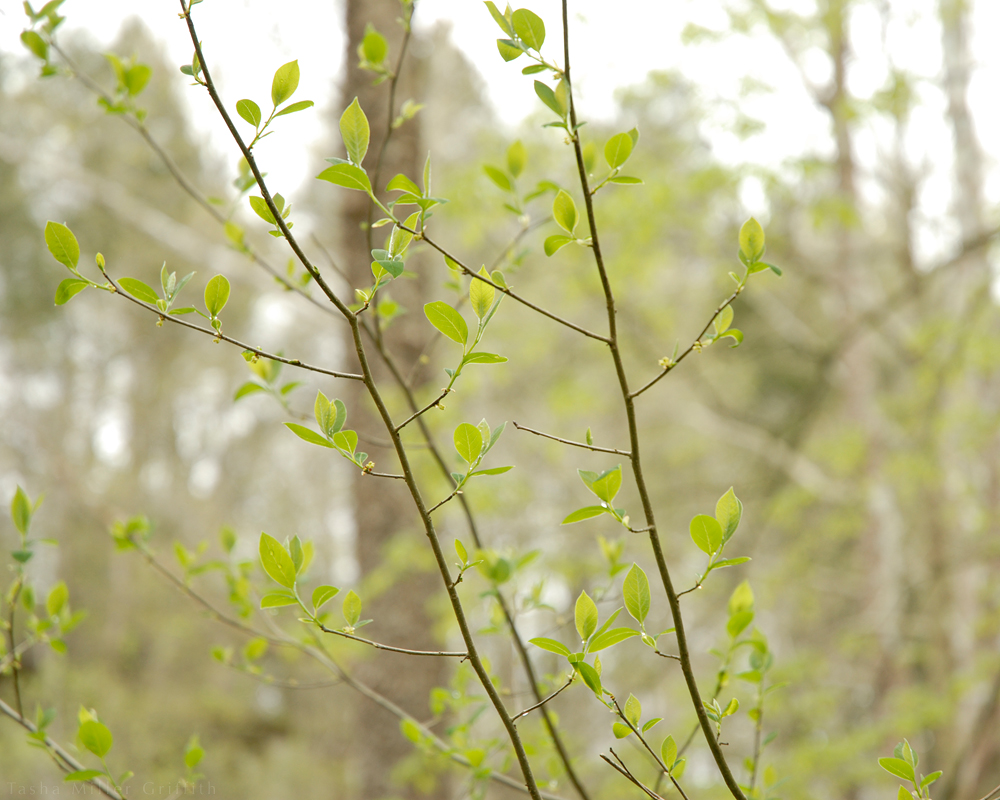
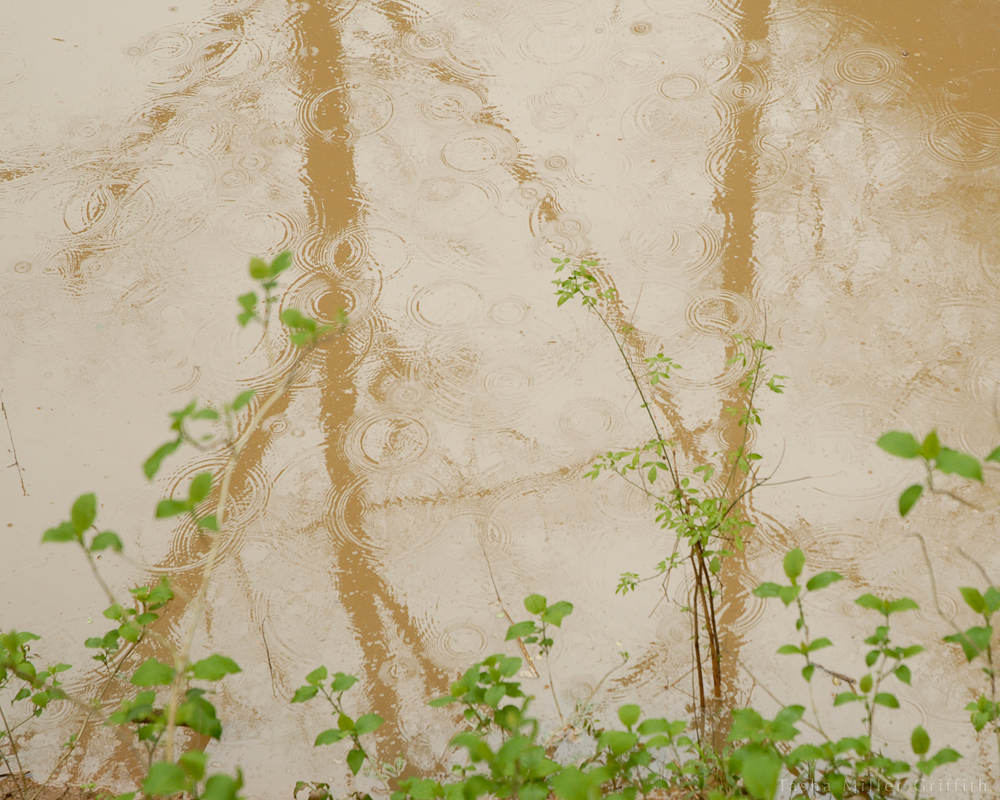
Instead I’ll leave you with a few photos from earlier this spring, near Mammoth Cave in Kentucky.  Spring anywhere out East still fascinates me, having grown up in a land where a little grass and extra flowers count as lush.  More fiber stuff is on the way!


spring mammoth branches


spring mammoth ripples


spring mammoth moss and flower


Me-Made-May and Putting My Best Self Forward


mmm15 sleep top 2

Hi guys!  This year I’ve decided to give myself a harder challenge for Me-Made-May, and it’s definitely leading to some good thoughts about how dressing handmade pushes me towards making and wearing more of what really reflects me and how I’d like to be seen, rather than just wearing what I happen to have.

I wrote a piece about all this for Zoe, the lovely host of mmmay, and it’s on her blog today, so do head over there if you’d like to read more about what I’ve been thinking and making (the top at left) in preparation for May.  Here’s my pledge for this year:

“I, Tasha of Stale Bread into French Toast, sign up as a participant of Me-Made-May ’15. I endeavour to wear only garments I have made, altered, or repaired, for the duration of May 2015. The only purposeful exception will be my raincoat, which isn’t any of the above, but I will definitely wear if the need arises. Everything else is included!”  Gulp!

There’s still time to sign up and participate yourself, I highly recommend it, and you can make a pledge no matter how many or few handmade things you have to wear … I hope you’ll do it with me!


Our Relationship with the Tangible World, or How I Learned to Spin


first handspun yarn 1

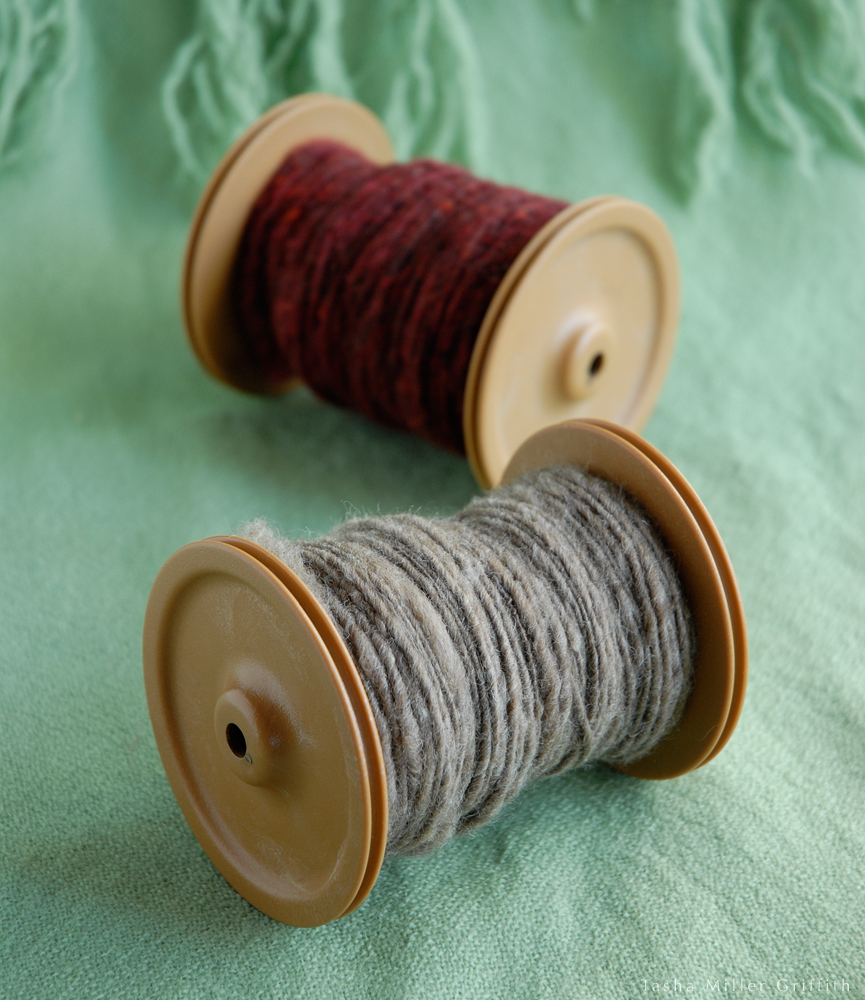
You may be able to guess what this is … yeah baby, my first bobbin of handspun yarn!


So it’s like this: My beautiful, wonderful cousin came to visit me (with my beautiful wonderful auntie) and when she went back home, she left her spinning wheel here for me to borrow while she’s at college this spring. Amazing!

I’ve been thinking vaguely about learning to spin for, um, the past two decades give or take, ever since I first practiced weaving with my grandmother. But it just seemed to take so long, like it would add so much time to my whole knitting/weaving process, so I wasn’t ready to commit. Needless to say, that was before the infinite list.

In my new post-infinite-list world, starting to spin seems like the perfect choice; an expression of surrender and adventure all at the same time. Since there’s no way to ever finish all the knitting I’d like to (or weaving for that matter), I might as well make some frickin’ yarn!


first handspun yarn 3


Spinning is pretty amazing (I’ll talk more about that in a minute), but one of the best parts about it so far is an accidental discovery. In an effort to keep my immediate-onset spinning obsession from taking over my whole life (remember, I’m supposed to be focusing this year), I decided on some rules: I wouldn’t read about spinning except during times when I would normally read something else, and I wouldn’t sit down to spin at odd times during the day. Instead, I would wait until just before bed. So every night at 10 pm, I give myself permission to stop whatever I’m doing, shut off the computer, and spin for up to half an hour before getting ready to sleep.

Oh people, this has been life-altering. A lot of the work I’ve been doing lately has been very abstract: putting my ideas out there to various people and institutions, basically a whole lot of online research and laboring for hours composing messages, many of which are never answered at all. I do hope that good things will come of it, but it’s basically a frustrating process that leaves me floating in inconclusiveness, and for the most part, kind of grouchy.

Then at the end of the day, I put all that aside and sit down to learn, to make something real, to interact with the tangible universe. I’m reminded of this quote from Anaïs Nin about letterpress printing (which I found, like a lot of my deep-thought quotes these days, via Brain Pickings):


The relationship to handcraft is a beautiful one. You are related bodily to a solid block of metal letters, to the weight of the trays, to the adroitness of spacing, to the tempo and temper of the machine. You acquire some of the weight and solidity of the metal, the strength and power of the machine. Each triumph is a conquest by the body, fingers, muscles. You live with your hands, in acts of physical deftness.
You pit your faculties against concrete problems. The victories are concrete, definable, touchable. A page of perfect printing. You can touch the page you wrote. We exult in what we master and discover. Instead of using one’s energy in a void, against frustrations, in anger against publishers, I use it on the press, type, paper, a source of energy. Solving problems, technical, mechanical problems. Which can be solved.


Although later this spring I will return this wheel to its rightful owner, I fully intend to keep this night practice going with knitting, or drawing, or something else. At 10 pm the computer shuts off, and I make something real for a little while before bed.

Some things you may be wondering: yes, the spinning wheel tempts me all day when I look at it, but in a sweet way of something to look forward to. And yes, if we’re going out at night or I think we’ll have guests staying late (I’m not really a late-night person and tend to crash hard if kept up past my bedtime) I find a half an hour earlier in the day to spin. Yes, this is in addition to the hour I still try my best to find every day for personal projects. I’m discovering that the more up-in-the-air my day’s work is, the more real-world-project time I need to stay happy.  I’m also a firm believer in taking the time your life will allow for the things that are really important to you. And yes, when I wake up at night lately I find myself thinking about twist in fiber, which I like much better than mulling over my worries!


first handspun yarn 2


Another thing that’s been beautiful about this process (although it sounds funny) is watching myself learn. I suppose I’ve absorbed the mantra I’ve told all my beginning knitting students: “You can do this! Anyone can do it if they just decide to practice it.” I do absolutely believe that this is true, that skill in handcraft is available to anyone who’s willing to start where they are (which a lot of times means training your hands from scratch) and keep practicing. It’s a gift we get just for being human, but it does take work.

Anyway, I’m cheating at learning spinning—the process is brand new to me but the feel of fibers and their qualities, the look and feel of yarn I’d like achieve, these things I already know. Not that I didn’t have lumps and bumps (you can see them!) and moments of beginner’s frustration which I had to push past, of course I did, and do still. But it’s been a long time since I learned something truly new to me, and maybe because of my teaching experience, but this time I’ve been able to let go of the outcome (a really healthy attitude for a first project in any material, I feel) and enjoy it. I’m a little surprised and pleased every time I sit at the wheel and notice that my technique is a little bit better, the yarn is coming out a little more even, or I just figured out some tiny thing that no one told me, it’s there in the materials and my hands to be discovered. When I first started I couldn’t spin from the imperfectly-carded batts of wool leftover from my early felting days, or treadle with one foot, but now I can do both.


first handspun yarn 4


If you’re not interested in being seduced into the wild world of spinning, stop reading now.

Three compelling reasons to spin:

Spinning is fast! For some reason I always assumed it was the slowest part of the fiber-to-garment process, but it’s clearly not, due to being a more-or-less continuous flow, rather than a stitch-by-stitch motion. It’s fairly shocking how quickly a newbie like me can make enough yarn to knit something out of.

You can make yarn that you can’t buy, and the other people doing so are interesting folks!  This, realized while reading Ply Magazine, was one of the final straws for me: I could see myself wanting just such a yarn for such a project, but it wouldn’t exist commercially … I started reading Ply because of an article about how twist protects the fibers in yarn from wear (by Deborah Robson), and ended up reading every. single. thing. in the Twist Issue, even though at that time I had no plan to become a spinner. The way the articles are presented; with differing opinions, and explorations by people digging around the fundamentals of their craft, captivated me. The intricacies of how yarn is made are interesting even if you’re working with the yarn and not making it … but as I read I also became more and more convinced that if this is how spinners think, they are my people, and I must become one.

Spinning is amazing! There’s something very fundamental about it, an immediate sense of how old and how intrinsic this process is, which draws me in. The rhythm is soothing, and at this point in my learning anyway, it works best if I can concentrate on what’s happening and be present without many words in my head—a lot like meditating, or dancing with someone. Plus you make real yarn from a pile of wool! If that doesn’t seem amazing, then you’re just not paying enough attention.

I have just two tips so far for other would-be beginning spinners:

Read the book The Intentional Spinner by Judith MacKenzie McCuin. Although it doesn’t have the variety of perspective you get from reading Ply, she lays out answers to a lot of the basic questions I had with clear photos, fascinating descriptions of fiber, and even ideas for making tools you need using a cardboard box and old knitting needles!

Try not looking for a second while you’re spinning. I know it sounds crazy, but I tried it after reading an article by Carson Demers in which he said (among other things) that looking up at least part of the time you’re spinning (or knitting!) is much better for your body. And it turns out that (also like dancing with someone) if you take your eyes off what you’re trying to do, even for a couple of seconds, you become instantly so much more aware of all the other information available to your body—in this case what your fingers can tell about the twist and diameter of the yarn you’re making by feel.

Ok three tips: just try it! Or try something else you’ve been meaning to do, and save it as a treat until the end of the day. I really can’t recommend it enough.

On Scheduling Less

And what Zen has to do with the infinite list


calendar page


When I first realized the truth of the infinite list*¹, I knew it was a big shift, but I wasn’t sure what it meant I should do.  I’ve had a few months to think about that now, and I’m ready to put a few ideas out there. In the language of that NPR post*⁶, I’m advocating utter surrender. And acceptance, and curiosity, and a huge sigh of relief. I’m advocating letting go of the unreasonable expectations we hold over our own heads, for whatever reason. Let’s talk about it.

(You may have noticed that I’m going old-school with the citations here.  Otherwise I was trying to jam too many things into one little paragraph.  All the numbers refer to the numbered list at the bottom of the post, you can find more info about my sources there.)

From the beginning of the infinite list idea, I kept wanting to associate it with Zen, or Buddhist ideas, or mindfulness, but I wasn’t quite sure how or why. So I decided to do a little research. The first book I read*³ mentions a cultural idea of “that’s very Zen” which can mean something is minimalist or tranquil, and maybe those were the ideas I had in my head. As I read further though, I found some actual Buddhist/Zen ideas that did have something to do with what I was getting at. (Both of the books I read were by Zen Buddhists, so I’m not entirely clear on where one ends and the other starts … may need more research.)


winter in nm 1(These photos are from a winter trip to New Mexico a couple of years ago.)


The Buddhist idea that resonates with my ideas right now the most is that of trying to see past appearances and old patterns, into the truth of the moment. I’m interested in choosing what I will actually make next, and making it, instead of spending lots of time dreaming and planning, but not much time making. I’m interested in finding out how much progress I can actually expect, like how many projects can I really do in one winter, rather than fantasizing that I’ll make them all.

I read this quote by Alan Watts earlier this year*⁵, and it was the best expression of just exactly how I’d like to relate to life I think I’ve ever seen:

“For the perfect accomplishment of any art, you must get this feeling of the eternal present into your bones — for it is the secret of proper timing. No rush. No dawdle. Just the sense of flowing with the course of events in the same way that you dance to music, neither trying to outpace it nor lagging behind. Hurrying and delaying are alike ways of trying to resist the present.”


It may not seem like it, but this has everything to do with my life as a maker. I spend an awful lot of my time, and thus my life, making and thinking about making. By choice! It’s a major part of how I define myself and what’s important to me, and a great source of joy and satisfaction. But if my making time is crowded with expectations, with piles of projects that MUST be done, one coming right after the other, even with an un-doable number of ideas floating around and tapping me on the mental shoulder all the time, then I’m not present, not enjoying or relating to the moment, even though the act of making something with my hands can be a beautiful expression of myself in a moment in time, if I let it.


winter in nm stacked pots


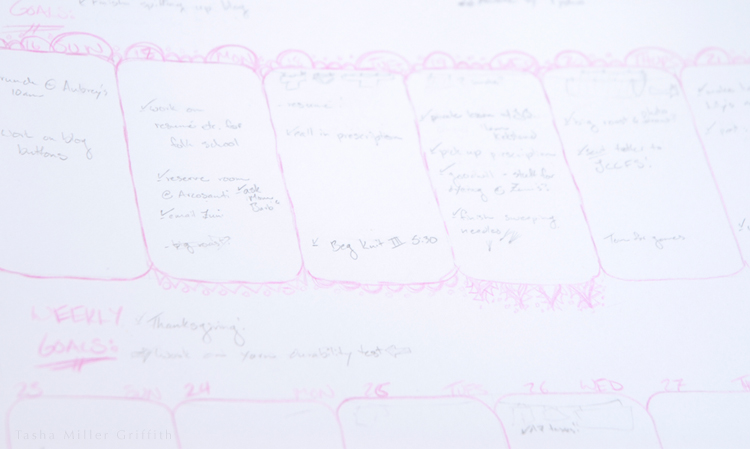
I’m scheduling less. I’m vowing to surrender completely to the idea that I can’t do anywhere close to everything I’d like to, and so what matters is what I’m doing now. I’ve been literally writing fewer things on my calendar, and trying to understand how much I can expect to get done in a day, a week, or a month. The longer time frames are the hardest, at least for me, and I’m definitely still working on getting this right. Even so, having a little calendar, weekly goals, and daily tasks which I try to keep at a reasonable level, is helping me feel less overwhelmed and more present.

For a long time I thought I thrived on having a ton of ideas at once, and working on different projects at the same time, a bit of this and a bit of that. It seemed the more ideas I got, the more would appear, and it felt very creative and energizing and full of sparks and life. But lately, partly thanks to Felicia*², I’ve been thinking about focus. That maybe, if I head straight for the things I want, just a few at a time, I’ll actually make more progress? Don’t get me wrong, I’m still a firm believer in taking some little time for creative projects every day, I need it! But I’m starting to think I went too far the other way, until the ideas themselves were at the center, and I was generating more of them and completing fewer. As I’ve been on this journey of working more in the here and now, I find fewer spontaneous ideas popping up into my consciousness, but call me crazy, the ones I do get seem more thought out, more relevant. I like this way much better than a crazy swarm of ideas I’ll never get around to.

I’m letting ideas go. Let’s be clear, I still have lots of ideas that pop into my head, many more than I need. If they seem important/good ones, I try to write them down or sketch them out, to get them out of my head, and have them stay out there until their time comes up, if it ever does. And if not, that’s fine with me too.

Besides the ideas in my own head, I’m sure it hasn’t escaped your notice that more new indie patterns than one person can possibly sew come out just about every month, not to mention all the projects on Ravelry, Pinterest, etc. I do love this digital revolution that’s fueling our maker movement, but I don’t go surfing around looking for “inspiration,” unless I’m actively looking for a pattern or researching a particular thing. This is a really personal choice, and it will be different for everyone. For me, I’ve found that I get much more satisfaction out of sitting down to make something I already have the idea for, than out of looking at new ideas.


winter in nm 2


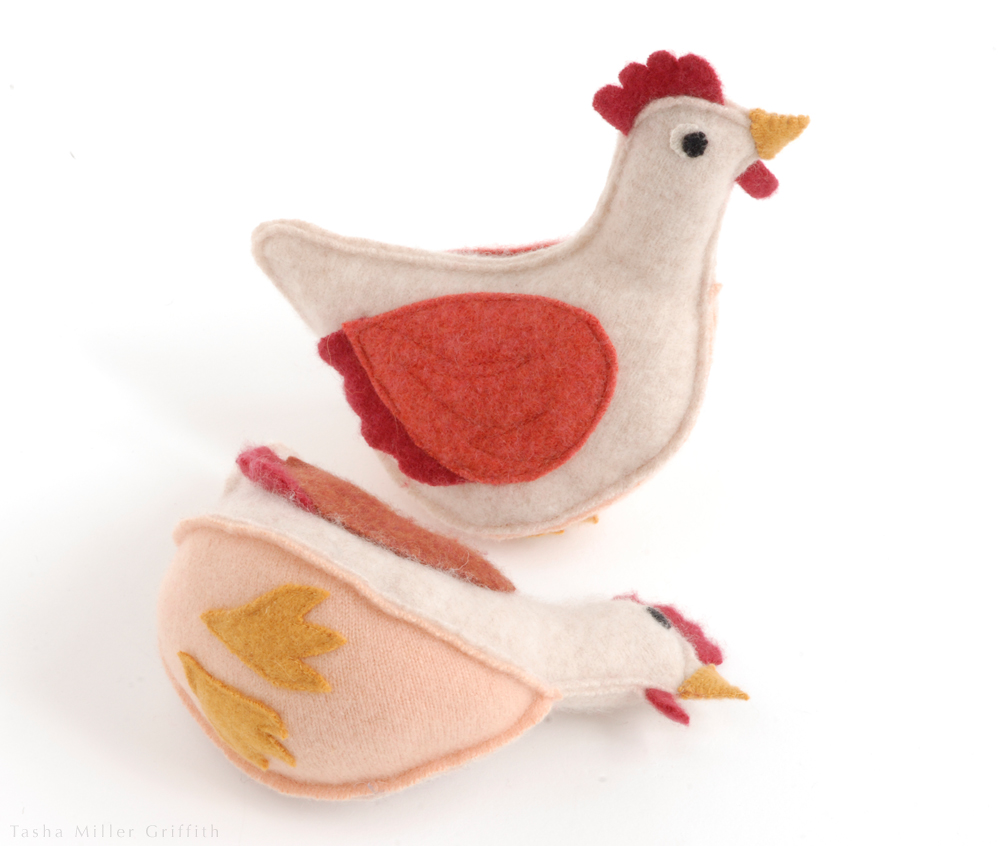
Sounds like I’m on the path to crafting enlightenment, right? Well, maybe. Let’s just say I’m still figuring it out. The holidays were a perfect excuse to go back to dreaming of random projects, grossly over-estimating how much I can do in a short space of time, and scheming ways to fit in more making at the cost of other things. But, I made a chicken pattern, and then the chickens! I have no regrets, I loved the things I made, and the results when folks got the packages. At the same time, part of what I’m hoping for from putting this post together is to get back on the path, closer to where I was in November.


chickens 2Chickens!


So here’s another Zen idea for you: forgiveness, starting over again, and again, however many times it takes.

By the time you read this, Bryan and I will be visiting his family in MI, and then heading to the East coast for an opening of his work at the Griffin Museum, and then a little quality time with one member of my family who I don’t get to see nearly enough. For the two-week trip, I’m taking yarn for a pair of socks to knit, supplemented by a little extra to experiment with, for my upcoming class on socks. That’s it. Ok, and maybe the finishing touches for the mittens I’ve been making Bryan, if I don’t finish them before it’s time to go.  Witness my heroic effort to accept the fact that this, combined with thinking and taking notes about socks for my knitting students, will be plenty (after all we’ll be spending a lot of the time with little ones, who have their own way of taking over your whole life), and that knitting is a really good activity for this kind of time (blogging is not). If I did what I usually do: take my laptop and fantasize that I’ll find time for some research or writing, I’m kidding myself, and that doesn’t help anyone. It just makes me grouchy because I couldn’t realize what I wanted, and then I feel like I’m behind, when in fact it’s a trap I’ve set for myself. This is what I’d like to do with all my plans, not set myself up for disappointment, but focus on what I can do.

By the way, I have no plans at this time to actually become a Buddhist …  But these ideas are pretty compelling, right? What do you think? What path would you like to be on in the next year?


Further reading

This post draws on just about everything I’ve read and thought about in the last 6 months, and a lot of it goes much further back. I owe particular debts to:

1. Sarai, editor of Seamwork magazine (and head of Colette patterns).  She asked me to distill an essay about the infinite list from my original post, for the January issue!  I’m excited and proud to be published there, and grateful for the encouragement this assignment gave me to keep thinking about all this.  (Did you know that “focus” was Sarai’s watchword in 2014?)

2.  Felicia of The Craft Sessions, for writing the most thoughtful sewing/making blog I’ve found, maybe … ever?  Seriously, it’s fantastic.  Several of the ideas here have bounced around there first, either in the comments, or in my head as I read what she’d written.

3.  Tell Me Something About Buddhism: Questions and Answers for the Curious Beginner by Zenju Earthlyn Manuel.  If you’re curious too, I thought this was a great book to start with.  Not everything in it made sense to me as I read, but when I started the next book, I realized it made much more sense than it would have without reading this one first!

4.  Zen Mind, Beginner’s Mind by Shunryu Suzuki.  Despite, or perhaps because of, the fact that it contains phrases like “Do not think you will necessarily be aware of your own enlightenment,” I really enjoyed reading this book as little further introduction to Zen.

5. Alan Watts was a British philosopher who was one of the first to bring Zen thought to the West.  I discovered this quote via Brain Pickings.  It’s from a book I would really like to read more of, but my library is lacking so I may have to pick up a copy elsewhere:  Does It Matter? Essays on Man’s Relation to Materiality

6. Although not about making, but about taking in culture, especially books, this is totally relevant: The Sad, Beautiful Fact That We’re All Going To Miss Almost Everything on NPR’s monkey see blog.

Also, I’d like to publicly thank my sweet family, particularly the Albuquerque branch, for being spiritual seekers, and introducing me to the ideas that were floating around in my head when I started thinking about all this.


Happy New Year everyone!


A Simple Piece of Mending, and Some Thoughts on Posting


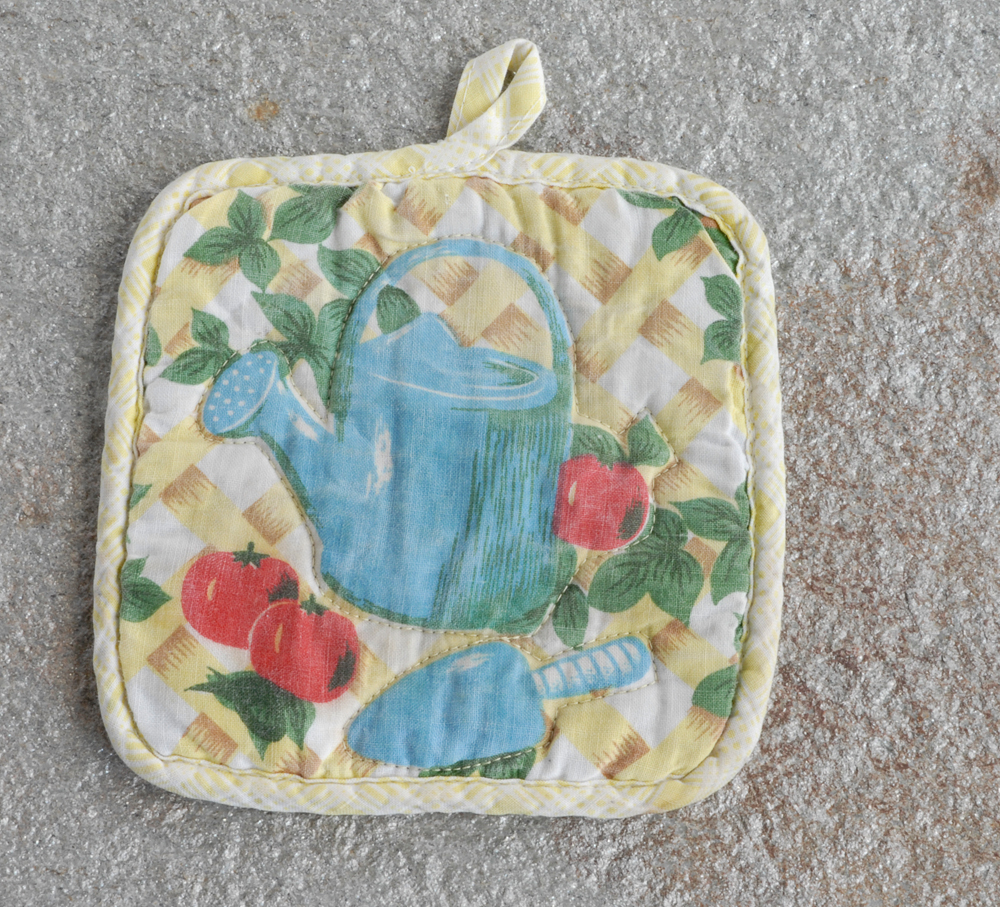
potholder front


So, here I am.  We’ve been home for the fall for a few weeks now, and it’s lovely to be back.  But ever since we got here, I’ve just felt swamped.  With good things mostly, and some of the best kind of quality time with family, but still swamped.  I have great ideas for posts.  I even have pictures for a lot of them, but I just haven’t been able to put together the time to edit and put in the words.

As I’m sure you know if you’ve been reading for a while, I’ve been shifting more towards posting when I have something I really want to share, and away from a set schedule.  I hope this gives me more time to work on each post, so that each post is better.  Goodness knows we all have enough arriving in our email every day, and I don’t want to be contributing to that just to make something appear in this space, unless it’s something I’m proud of.

And yet, sometimes (like right now) I really do want to connect with my online community, I want to put something out there, and it doesn’t have to be complicated to be worth reading, right?  Sometimes the simplest things are the best.

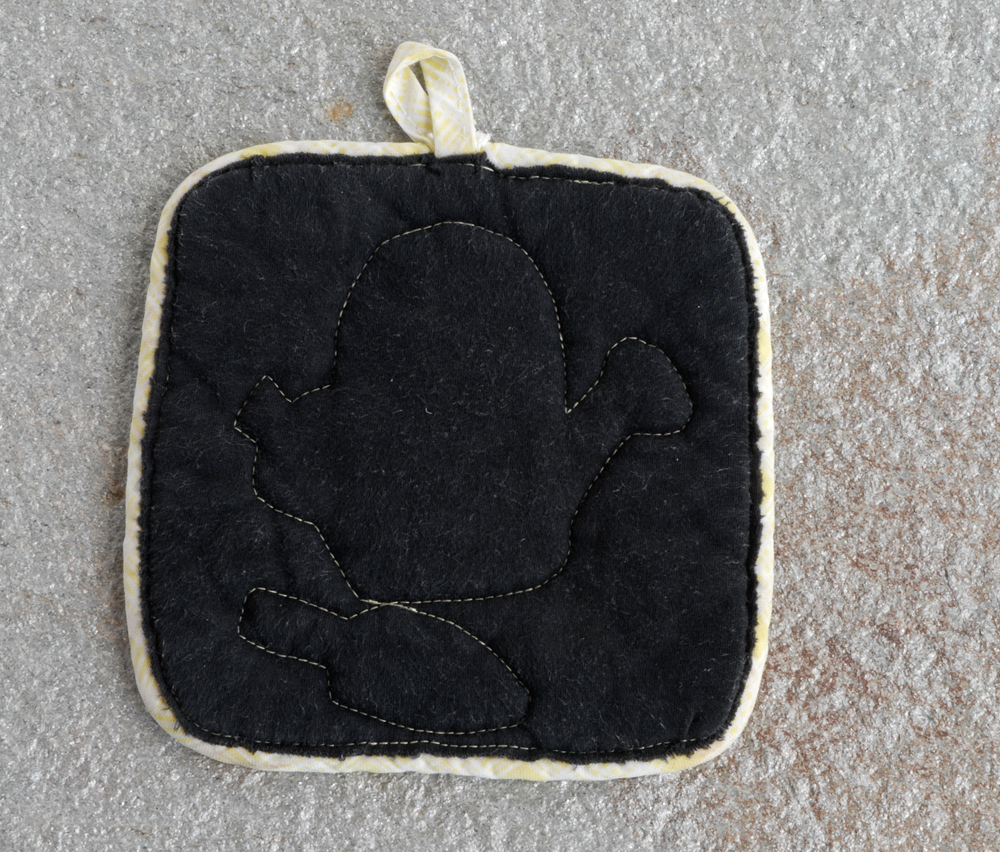
Like this potholder.  I know, I mended a potholder, it’s not exactly Earth-shattering news.  In fact, I didn’t even like this potholder.  Bryan had it when we met (goodness knows where he got it) and I always thought it looked so cheesy—definitely not my favorite kitchen object.  But, the back fabric wore out.  (It was yellow plaid.  I had so little intention of posting about this that it never occurred to me to take a “before” picture.)  The front was still fine, even the binding was in good shape, and I have this stubborn genetic defect which makes me refuse to throw out anything useful, so I just sewed a patch of sturdy black knit over the back.  After I sewed around the edge, I thought it needed a bit more, and I decided to outline the tacky shapes on the front.


potholder back


Then, the stupidest thing happened: I suddenly loved this potholder.  It’s now cheeky, it’s a little edgy, it’s visibly mended, it’s mine.  Every time I see it I smile.  Sigh …

What about you, ever fixed something and then fallen in love with it?  (The more I think about it, the more I think this happens to me all the time.)  If you blog, how do you balance the number and quality of your posts?


Time, Productivity, and All the Things I’d Love to Do

Or, how I discovered the mindfulness of the infinite list.

This post is illustrated throughout with projects we made at our annual family and friends craft retreat a few weeks ago.  I’ll tie that in later in the post.


I'm kind of obsessed with the hand as a symbol of the ideas I hold dear.  This was my design in a reductive printing process we tried.

I’m kind of obsessed with the hand as a symbol of the ideals I hold dear. This was my design in a reductive printing process we tried.


I’ve struggled on and off my whole adult life with a problem that boils down to this: there will never be enough time in my lifetime to make everything I want to.  Much less will there be enough time to learn nearly enough new skills, or to read everything that’s so good, it might change my life.


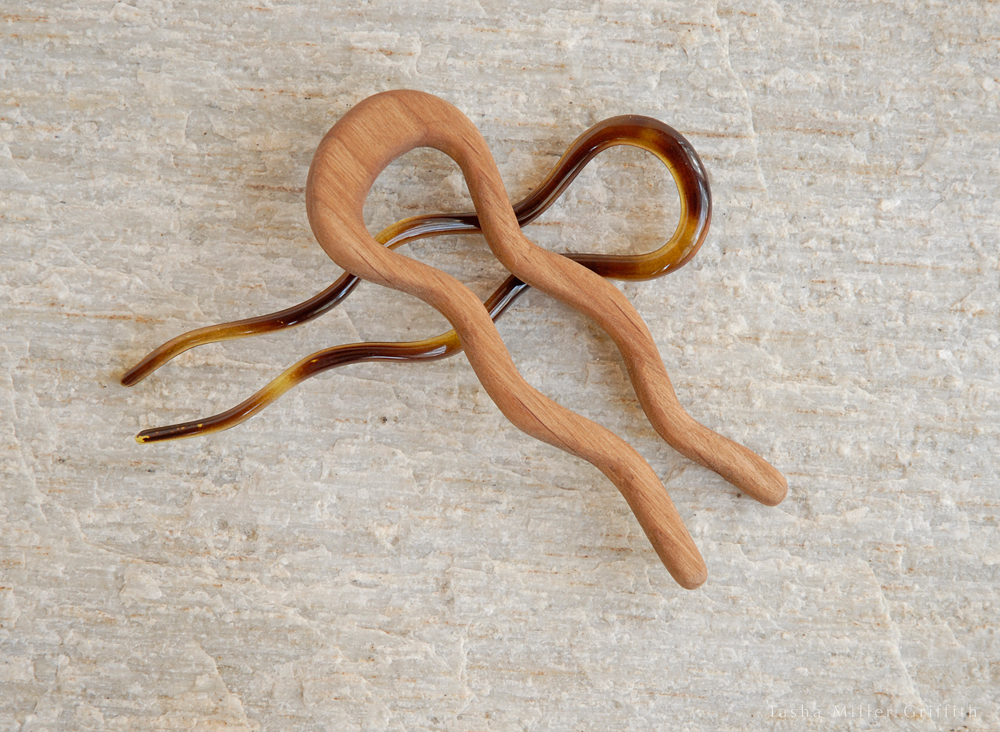
Speaking of new skills, we got to try wood carving this year thanks to my dad.  I made this new and improved wood version of the giant plastic hair pins I use all the time.

Speaking of new skills, we got to try wood carving this year thanks to my dad. I made this new and improved wood version of the giant plastic hair pins I use all the time.


I used to have a fantasy that if I could cut out all time-wasting activities, I’d have time for everything I on my love-to-want-to-do list.  I really, really hate to break it to any of you who may be still thinking about this, but it won’t work.  I got rid of the low-lying fruit a long time ago: I haven’t had TV since college, and one of the few benefits of being one of the millions of Americans paying too much for bad internet is that our connection is way too slow to spend hours watching video, or even reading content-heavy pages online.  I fully support giving up time-sucks, but it’s sad and true that no matter how much you cut out, all the good stuff still won’t fit in.

So sad, right?  Although, I do agree, as elegantly put in this article from the NPR blog, that it would be so much sadder if humans hadn’t produced more beautiful ideas than I can take in in one lifetime throughout all of our history so far.

After I figured out that no matter what, there would still be more lovely projects to make and music to listen to and books to read on my list than I could ever get to, the idea simmered on the back burner of my brain, sometimes seeming as if I had things under control & was making good progress, and other times like my available time was a thing with wings, or fangs, chasing me, or flying away at warp speed.


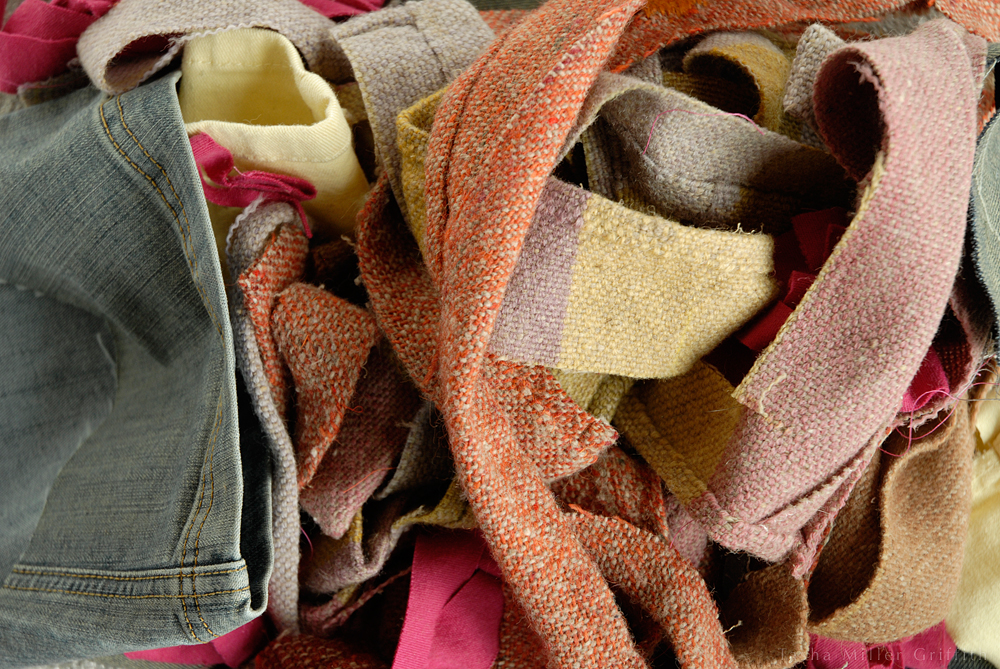
I led a refashioning session for everyone to remake & mend as they saw fit.  I'm awful at taking any pictures while I'm teaching, but even the pile of scraps from this session was lovely.

I led a refashioning session for everyone to remake & mend as they saw fit. I’m awful at taking any pictures while I’m teaching, but even the pile of scraps from this session was lovely.


Then, just a few weeks ago, we had our annual craft retreat of family and friends, hosted at my house for the first time.  I had a classic moment of semi-panic as I suddenly saw through the eyes of these people who I wanted to think well of me, some people who had never seen my house before, and my yard looked like a redneck junkyard in-the-making … I consider myself a decent housekeeper, and I did make an effort to get some stuff out of the yard on our last trip home … but there was this moment, about two days before the first arrivals, when I looked around and realized I could clean the house non-stop, without sleeping, until everyone got there, and still be seeing deeper levels of dirt, areas I had missed.

That’s when I got it.  It’s not that the list is longer than I can ever hope to finish, it’s that the list is infinite.  There’s a freeing, meditative aspect of mindfulness to the infinite list.  Since it’s not just unlikely, but actually impossible, to do everything on an infinite list, any infinite list, a certain amount of letting go is perhaps an inevitable next step.


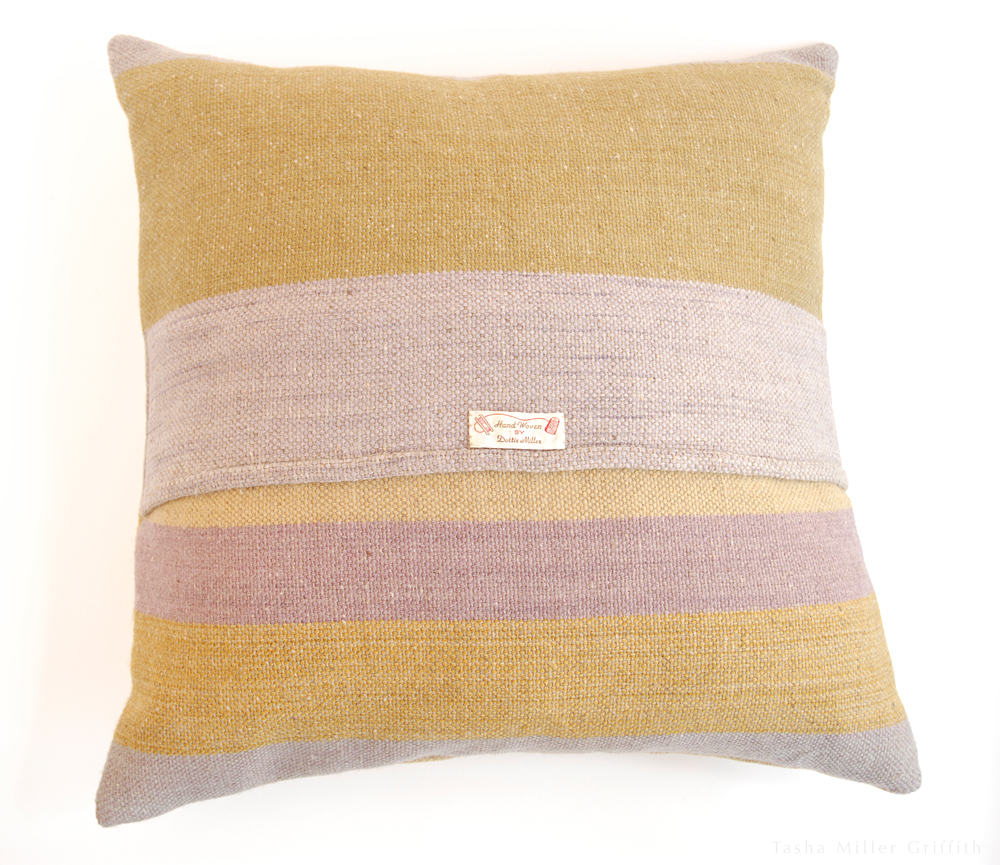
My aunt Barb Miller made this truly lovely pillow from a unwanted garment, using my grandmother Dottie Miller's handwoven fabric.

My aunt Barbara Miller made this lovely pillow from a unwanted garment, which used my grandmother Dottie Miller’s beautiful handwoven fabric.


I’m still looking around in this infinite-list paradigm, getting my bearings. A few consequences that seem important have occurred to me so far.  Priorities, for one.  Since I can spend an infinite amount of time cleaning the house, I have to choose to stop at some point, even though of course I want things to look nice.  As a guest, if I could arrive at either a house with sparkling windows, or one containing delicious homemade ice cream, I’m wouldn’t hesitate to pick the latter option.  Your choices might be different from mine, but we all get to choose which of the current available options is the most important to us.


She was so right about putting the label on the outside.

She was so right about putting the label on the outside.


Since my to-do list is infinite, it makes more sense than ever to block out time for the things I love, which would otherwise get immediately buried under the small mountain of tasks I “should” do every day.  Back around the time I gave up TV, I decided to pencil in an hour a day for myself to sew, and I was fairly astonished at how quickly I finished projects.  I have more to-dos now than I could have imagined in college, but I’ve also realized that if I work on only one thing all day, even something I like, my brain slowly turns to mush over the days and weeks.  Plus, the feeling of getting further behind on my personal goals really starts to drag me down.

I need a little “fun” creative time, and a chance to explore new ideas, to keep me happy.  I reinstated the practice of giving myself an hour a day to work on whatever I want, regardless of whether it’s likely to ever make me any money, a few years ago.  It’s a huge and immediate boost to my life satisfaction.  If you can’t spare a whole hour, even 15 minutes a day can give you enough time to make progress on anything you’d like to fit in (Mark Frauenfelder of Make magazine says so, and I’ve seen a lot of sewing bloggers trying it out in the last couple of years, particularly after this post appeared on The Coletterie).

Mark Frauenfelder

The infinite list only beefs up my justifications for scheduling my “free time”, since it makes clear that the time when I “don’t have anything else pressing to do” won’t ever come.  I must choose to make time for the things I love, rather than waiting for the time to appear.


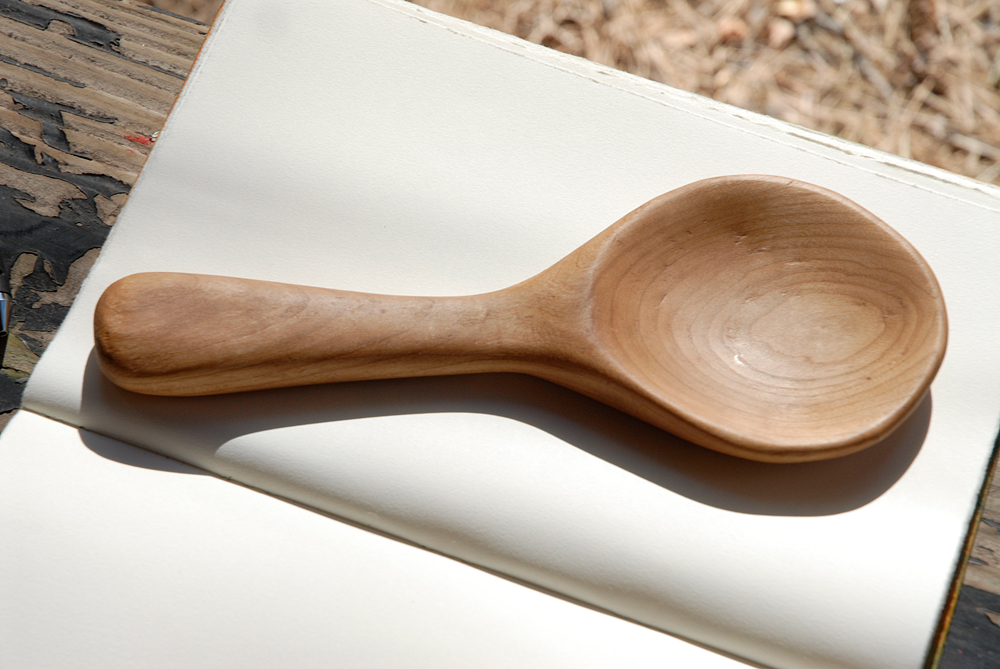
My dear aunt Barb also made this wonderful spoon.

My dear aunt Barb also made this wonderful spoon.


Perhaps the most freeing thing about meditating on the infinite list so far, is that since there’s no pressure to finish the list, it’s easier to give myself permission to to pay attention to what’s happening in the here and now, and to take care of some things right away.  Or just to appreciate a lovely moment, rather than always focusing on the tasks already stacked up from yesterday.

Overall, I’m feeling pretty stoked about this mental shift from the incredibly long list to the infinite list.  I’m hoping that it will help me focus on the things that are most important, leave some room for spontaneity, and let go of some of the unreasonable expectations I tend to hold over my own head.  Sounds pretty good, right?  What about you, any thoughts to add from your own experience?